
The Future of British Farming
British farming is currently tied to a violent, wasteful, unsustainable model. Animal agriculture isn’t just devastating for animals – it’s wrecking the planet, harming our health, and putting farmers at risk. A plant-based future isn’t just inevitable – it’s urgent.
Industrialised Cruelty in British Farming
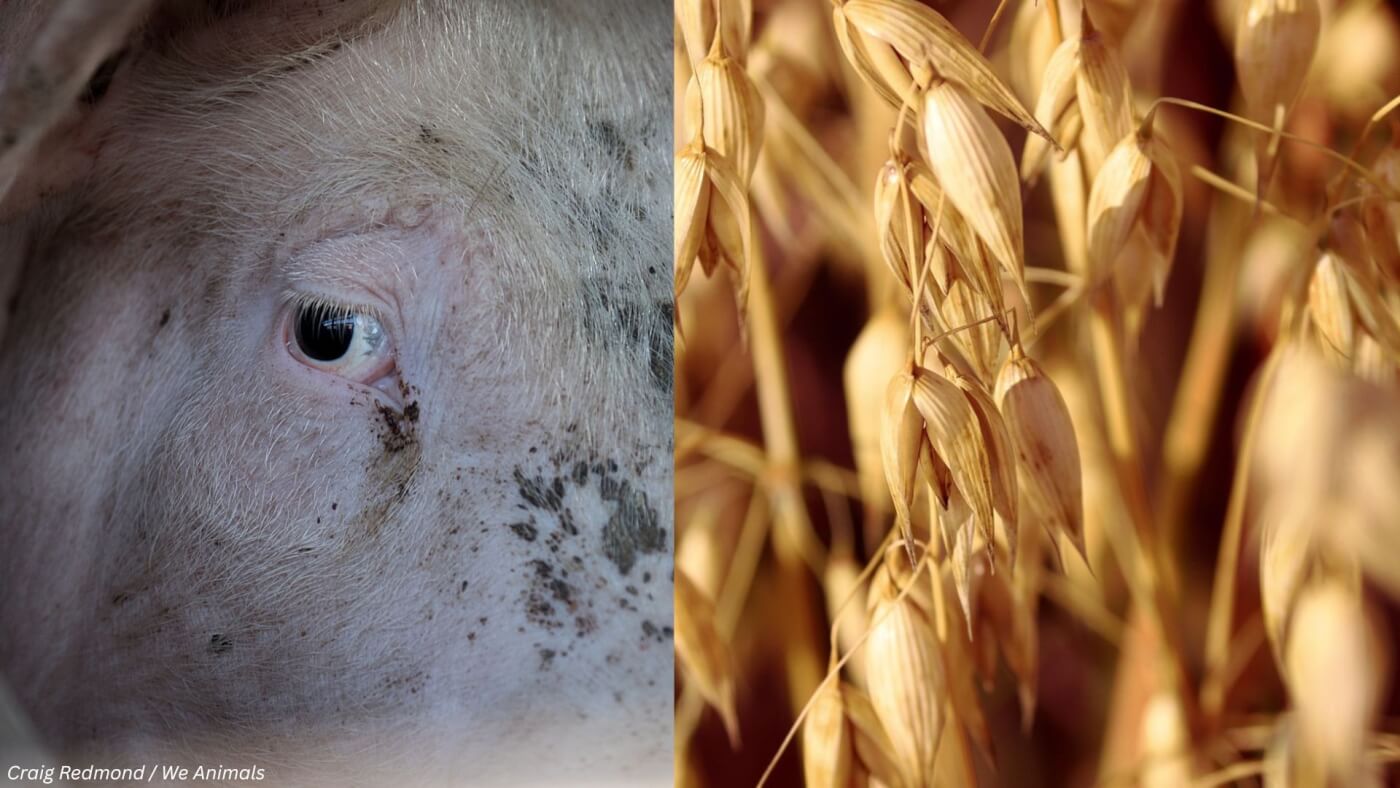
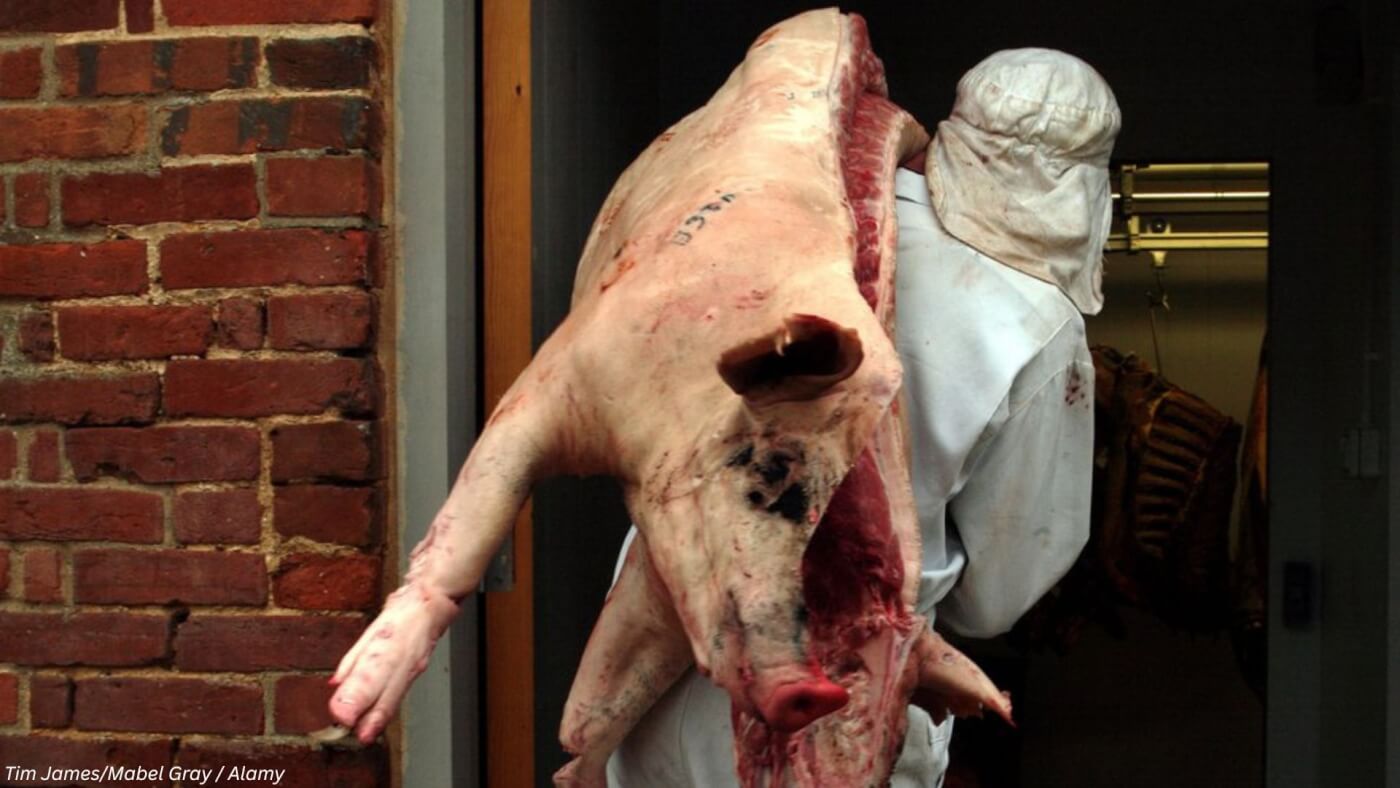
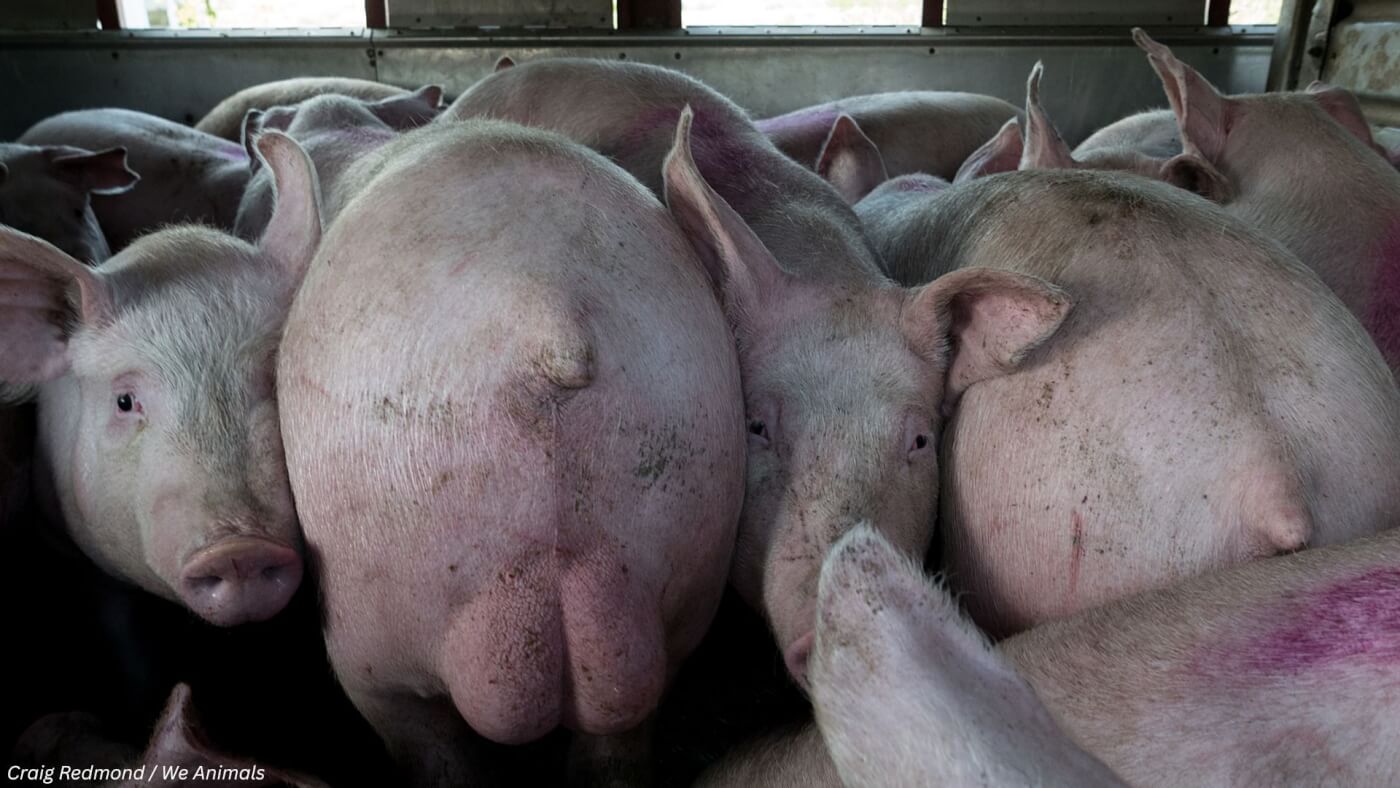
The reality of animal agriculture is far from the idyllic image sold to consumers. Over 1 billion land animals are bred and killed for food in the UK each year – most on overcrowded factory farms.
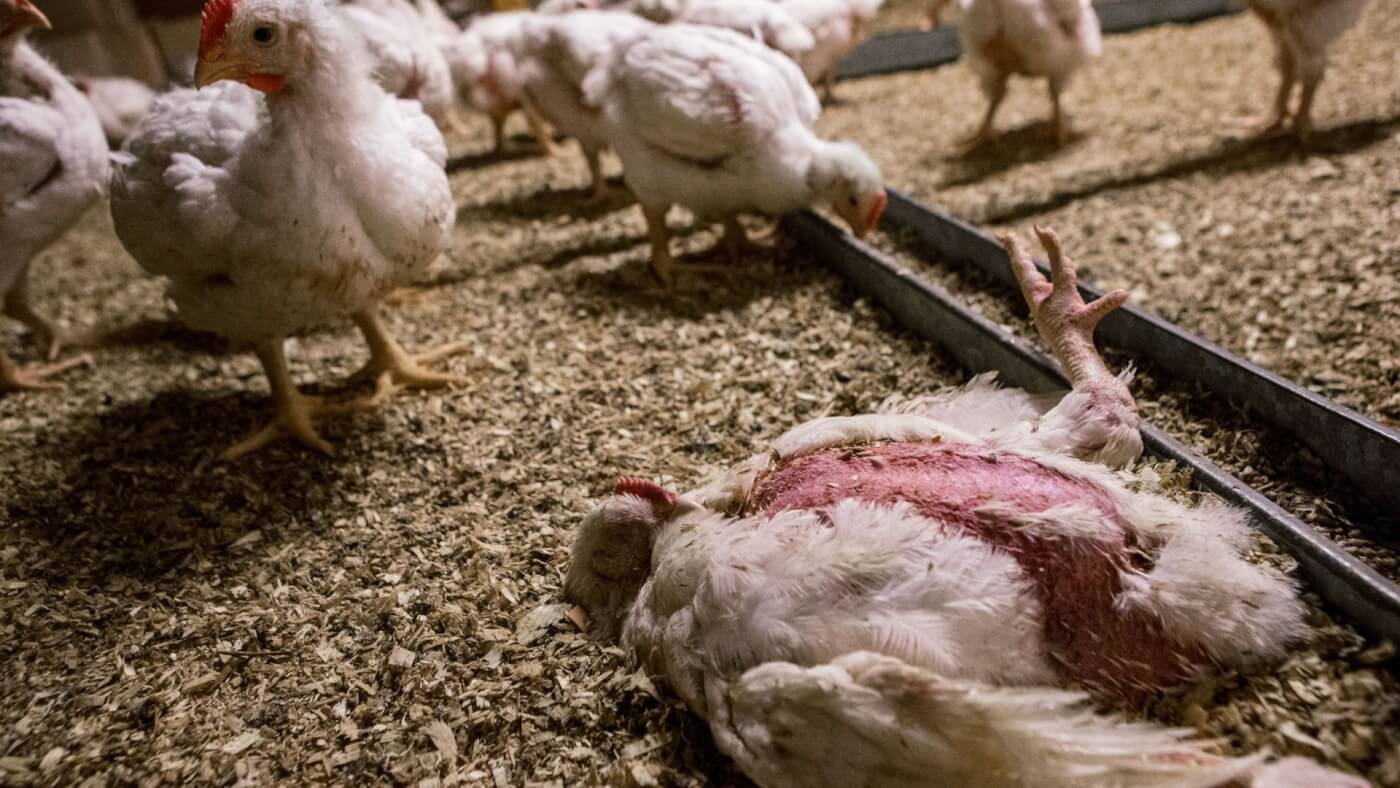
Pigs, chickens, and cows – intelligent, sensitive beings – are crammed into dark sheds, denied sunlight, fresh air, and space. Many stand in their own waste or on the corpses of others. Animals are bred to grow so fast that their bodies can’t cope. Many collapse, unable to walk. Eventually, they’re loaded onto trucks for a terrifying trip to an abattoir where they’ll suffer a painful death. Many are ineffectively stunned and killed while still conscious.
British Farming and the Cost of Killing
All farming can be exhausting and financially precarious – farmers face climate chaos, disease outbreaks, isolation, long hours, and a public largely disconnected from the realities of modern farming. But unlike arable and horticultural farming, animal agriculture is a system built on dominance and violence, and the true needs of those most affected, the animals, are excluded from the narrative. Talk of ‘welfare’, which is really about keeping animals alive long enough until the farmer is ready for them to be killed, takes the place of genuine care. Even the term ‘livestock’ shows how living and feeling animals are reduced to commodities. In a nation of animal lovers, it takes some mental gymnastics to reconcile having a hand in so much needless killing.

“Having seen life taken away, it’s not healthy for me to keep having to send animals to market.
~ Laurence Candy, former UK beef farmer
It only magnifies those experiences. Farmers run businesses,
but at the end of the day we are human beings.”
Although British farmers raise animals for slaughter, mass killing during disease outbreaks – such as bird flu or foot-and-mouth – can have a profound and lasting psychological impact. Many farmers report experiencing grief, guilt, and trauma. Even outside of these extreme events, most farmers surveyed described sending animals to slaughter as emotionally difficult. Some admitted they “hate it,” “try not to think about it,” or feel that “I have betrayed them.”
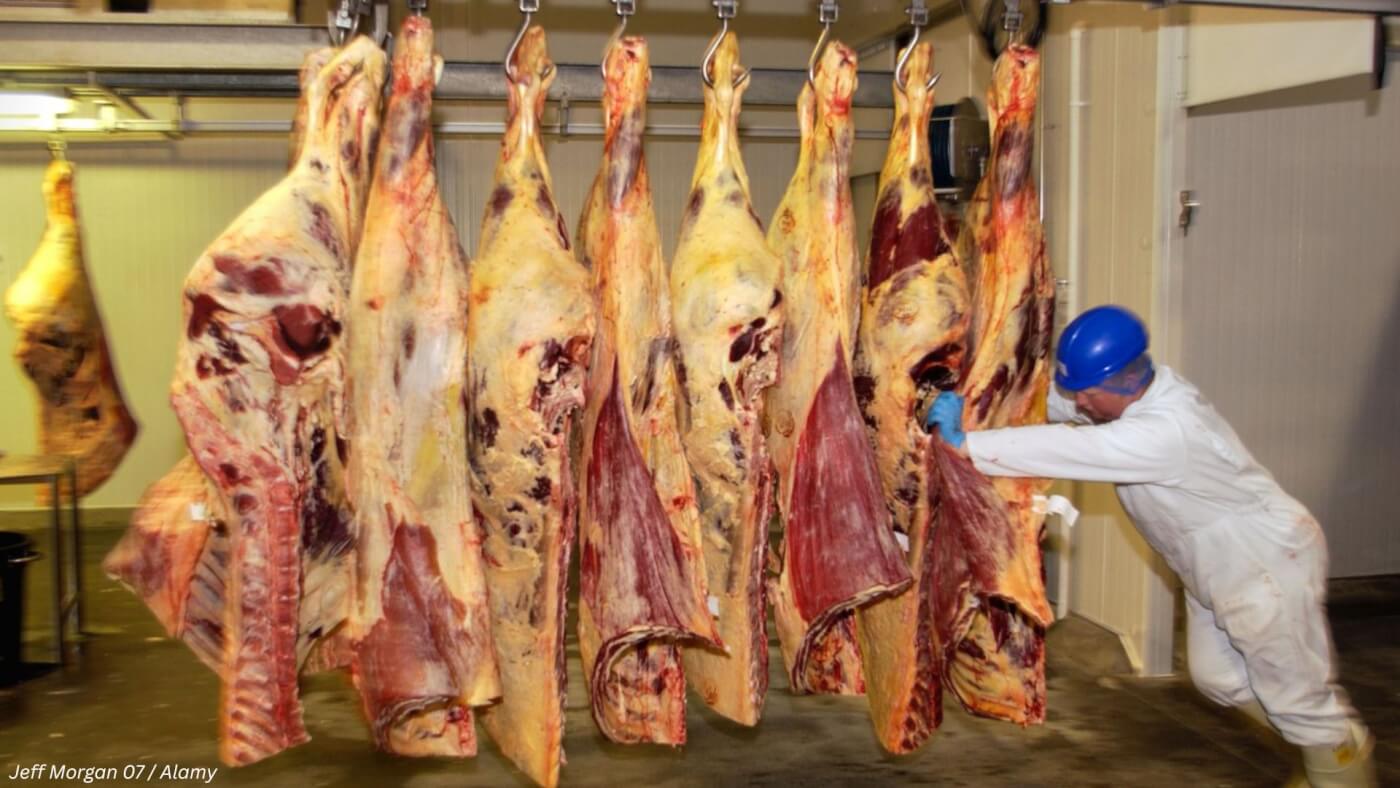
Within the meat industry – including among farmers, slaughterhouse workers, fishery staff and meat-packers – expressing compassion for animals is often considered taboo. Academic studies and worker testimonies describe a culture of “forced apathy” and “mandatory cruelty,” where emotional detachment – required to maintain productivity – is expected.
In this environment, empathy is often seen as a weakness. As one scholar put it, the British farming industry depends on a “routinisation of cruelty” that silences emotional responses to keep production running smoothly. Slaughterhouse workers often suffer from Perpetrator-Induced Traumatic Stress – a condition similar to PTSD, caused by repeated exposure to the violence they are paid to inflict.
“I dream about the cattle, when you stun it, it just fall down,
~ A UK slaughterhouse worker describing PITS
after falling down, when you open the door it will ask you: ‘Why are you killing me?’”
It’s no surprise that most young British farmers cite poor mental health as the biggest hidden problem for farmers.
A 2025 survey revealed:
- 56% of animal farmers felt morally conflicted about their jobs.
- 35% described themselves as traumatised.
- 45% admitted to suppressing feelings of compassion for the animals they raise.
This is not sustainable for anyone, but most British farmers are ready to adapt. They just need support.
Animal Welfare in the UK
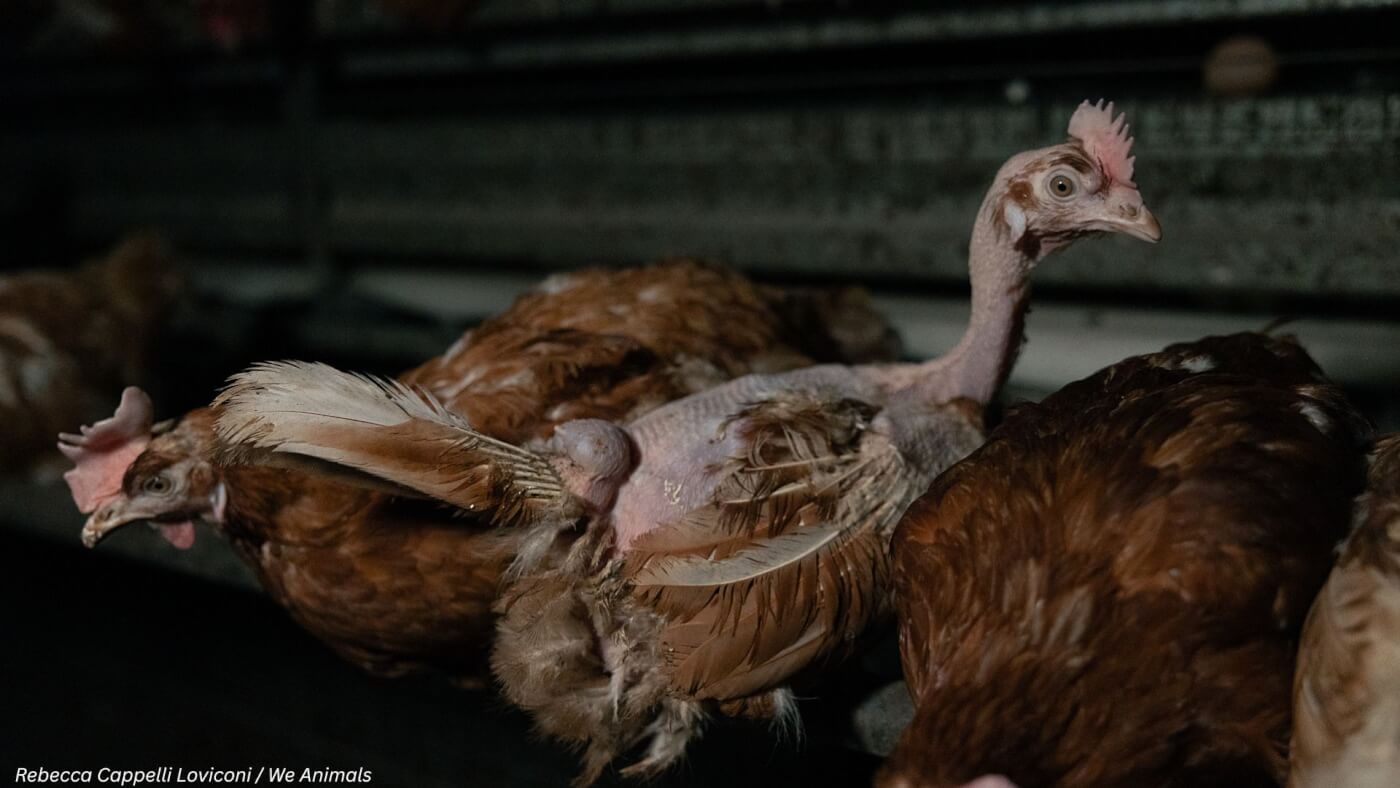
What’s legal on UK farms would be criminal if done to a dog or cat. Piglets have their teeth clipped. Hens have their beaks seared off. Lambs are castrated without pain relief. Mother cows have their babies snatched away shortly after birth so humans can have their milk. Millions of male chicks are gassed to death shortly after hatching in the egg industry. These aren’t rogue acts – they’re standard, government-approved procedures.
“High welfare” labels like RSPCA Assured and Red Tractor may make meat-eaters feel better, but actually make life worse for animals as consumers wash their hands of the process. In 2024 alone, investigations at 40 RSPCA Assured farms exposed horrific suffering. Cruelty isn’t the exception – it’s the rule.
“At the end of the slaughter line there was a huge skip,
~ Former British slaughterhouse worker
and it was filled with hundreds of cows’ heads …
Whenever I walked past that skip, I couldn’t help but feel
like I had hundreds of pairs of eyes watching me.
Some of them were accusing, knowing that I’d participated in their deaths.
Others seemed to be pleading, as if there were some way I could go back in time and save them.”
From the smallest prawn to a half-tonne bull, every animal is someone, and none go to their deaths willingly.
A Planetary Disaster: the Environmental Cost of UK Animal Agriculture
Raising animals for food is wildly inefficient, devouring 85% of UK farmland but providing just 32% of our calories. And in Scotland, 460,000 tonnes of wild fish are caught each year to feed farmed salmon alone.
To feed land animals on British farms, in addition to crops grown in the UK, we import 3 million tonnes of soya each year – much of it grown in deforested Amazon regions. Meanwhile, the UK is heavily dependent on imported fruit and vegetables, due to chronic underfunding of our horticultural farmers.

“We must change our diet.
~ Sir David Attenborough
The planet can’t support billions of meat-eaters”
Animal farming also wreaks havoc on our waterways. Between 2017 and 2024, chicken and pig farms in East Anglia alone breached environmental rules 776 times. One report found 95% of dairy farms in a single region were polluting waterways.
We are drowning in excrement, blood, and chemical runoff.
By shifting to plant-based farming and growing crops directly for human consumption, we could produce more food using less land, water, and resources – improving food security while helping to restore the natural world.
British Farming Contributes to Disappearing Nature
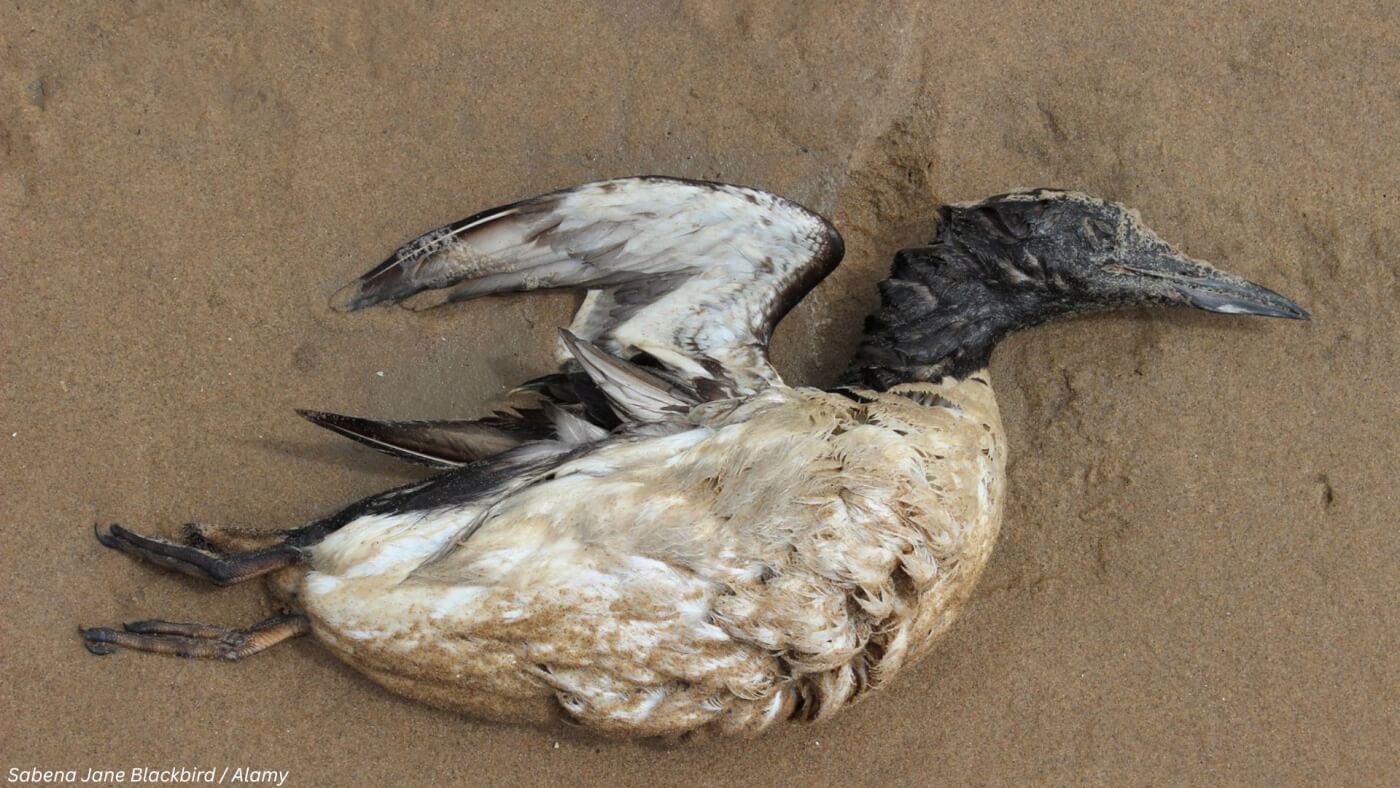
The UK is one of the most nature-depleted countries on Earth. Nearly half of birds and a third of mammals are at risk of extinction, while pollinators like bees and butterflies are rapidly disappearing. At the same time, there are now more chickens on British farms than all wild birds combined.
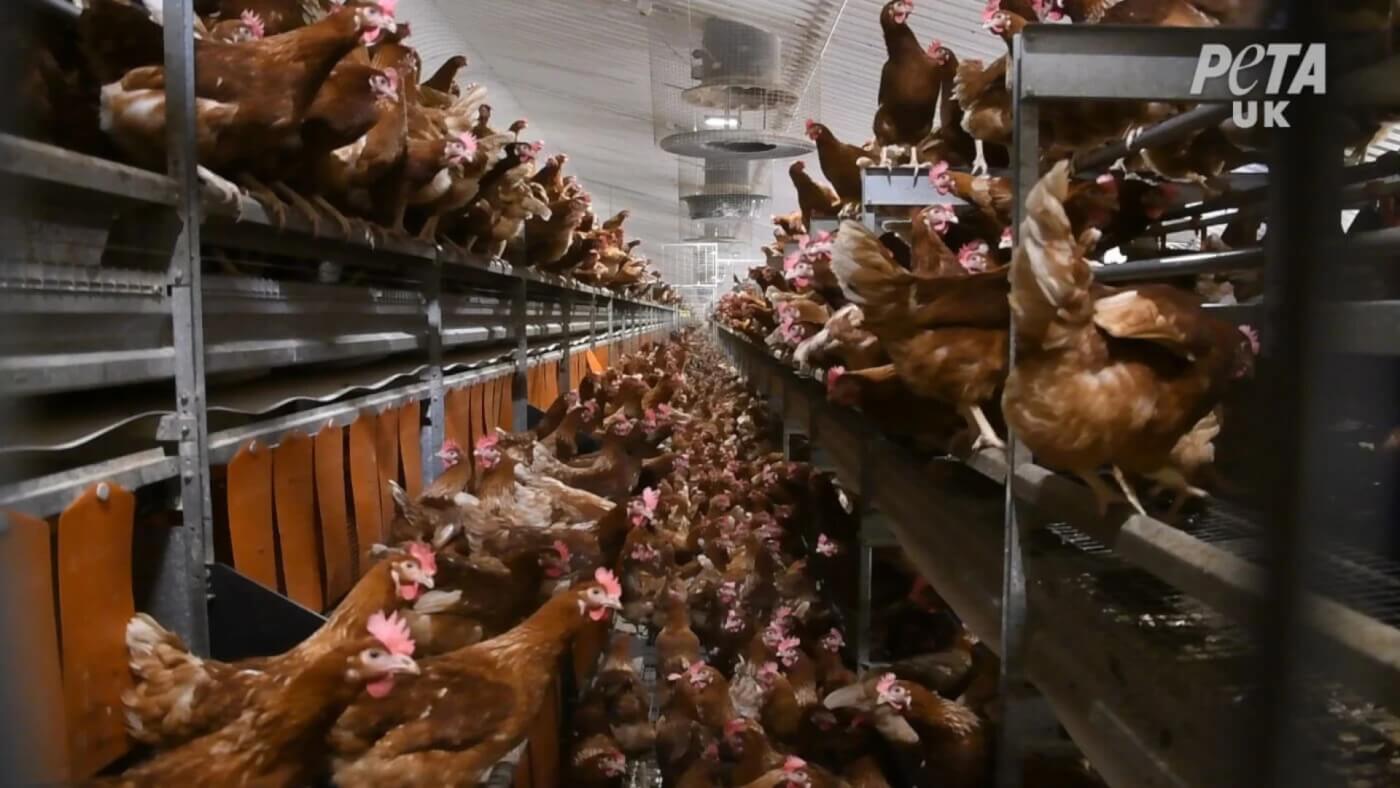
The intensive confinement and crowding on these farms create ideal conditions for the spread of disease. The bird flu outbreak, which began in farmed geese and spread to chickens, has devastated wild bird populations and presents a risk to human health.
The Climate Crisis Starts on Our Plates
Animal agriculture is responsible for 30% of methane emissions – a greenhouse gas up to 84 times more potent than CO₂ over 20 years. Globally, it accounts for up to 20% of all emissions – more than all the world’s transport combined.
Even British meat, eggs, and dairy have a higher carbon footprint than imported plant foods.
“Reducing or eliminating animal agriculture … is our best and most immediate chance
~ Patrick Brown, Stamford Professor of Biochemistry
to reverse the trajectory of climate change and seize the opportunity.”
Plant-Based Agriculture Is the Future of British Farming
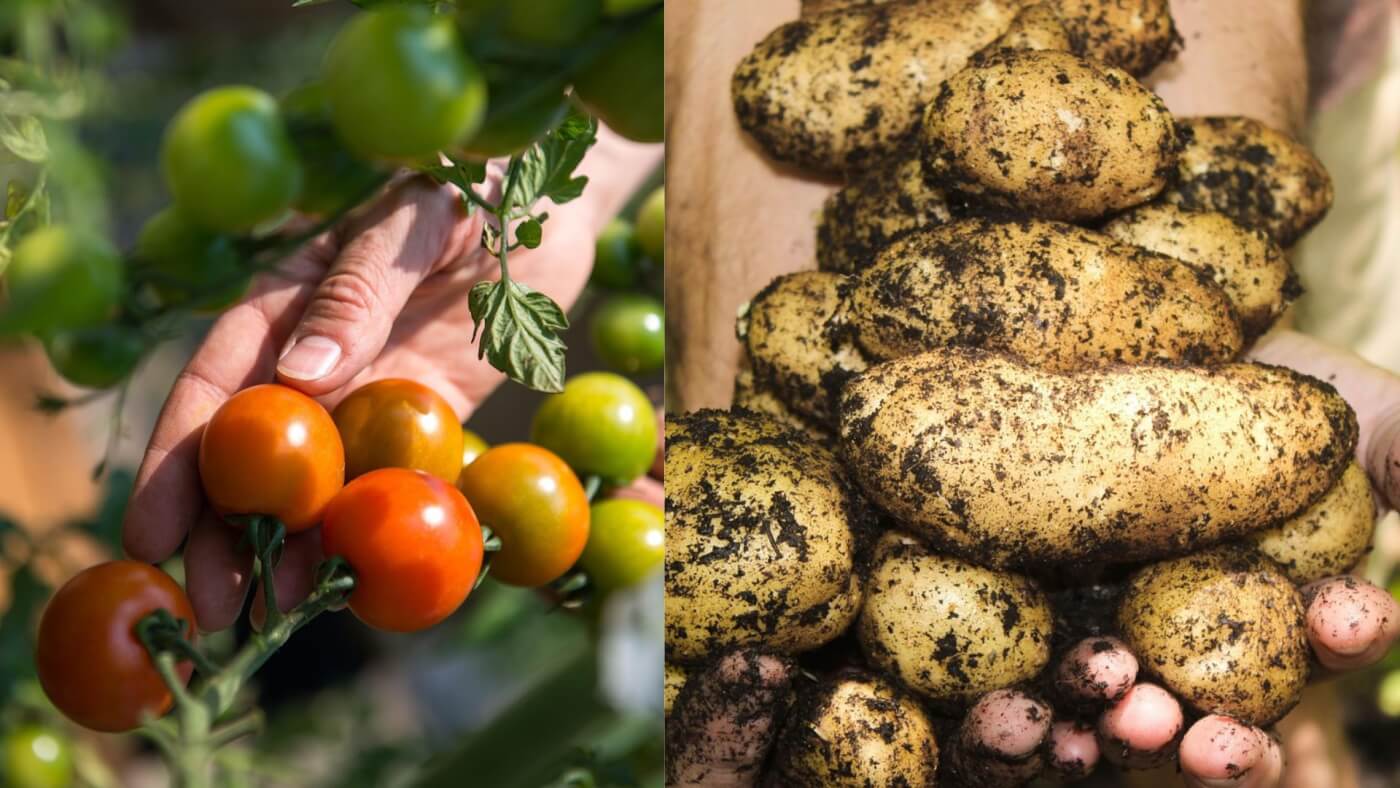
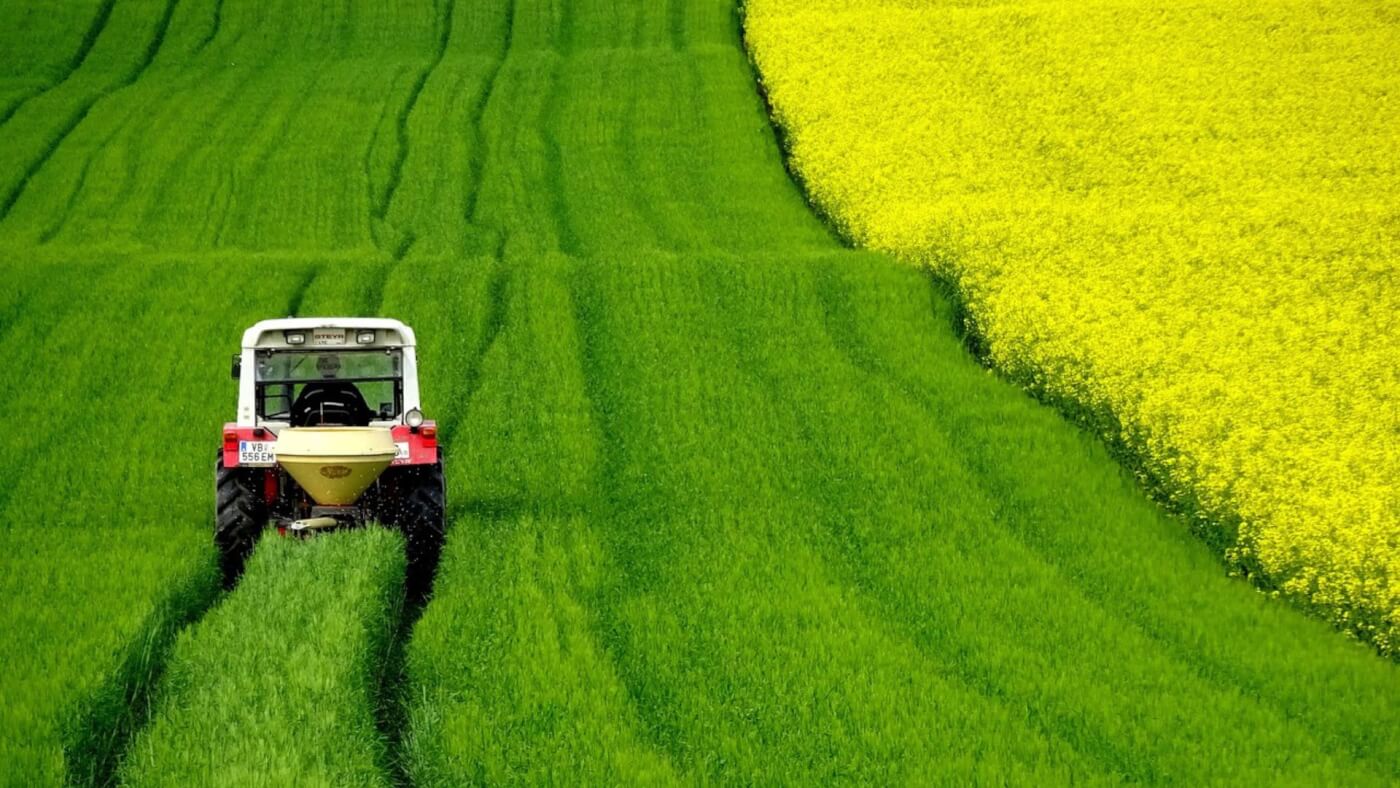
There is a better way. And it starts with a seed. Supporting British farmers in growing plant-based food through sustainable farming is a win for public health, animal welfare, and rural resilience.
As demand for locally grown plant proteins rises, crops like beans are gaining recognition for their power to heal soil and society. These resilient, sustainable crops can feed the UK in the face of climate change – while restoring nature and revitalising rural economies.
But the transition to sustainable, plant-based farming needs investment.
The Will Is There – Where’s the Support?
A survey found that 63% of British farmers would be willing to move away from animal farming – if financial support were available.
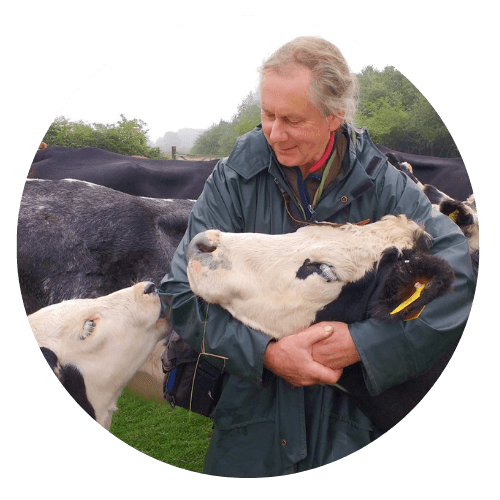
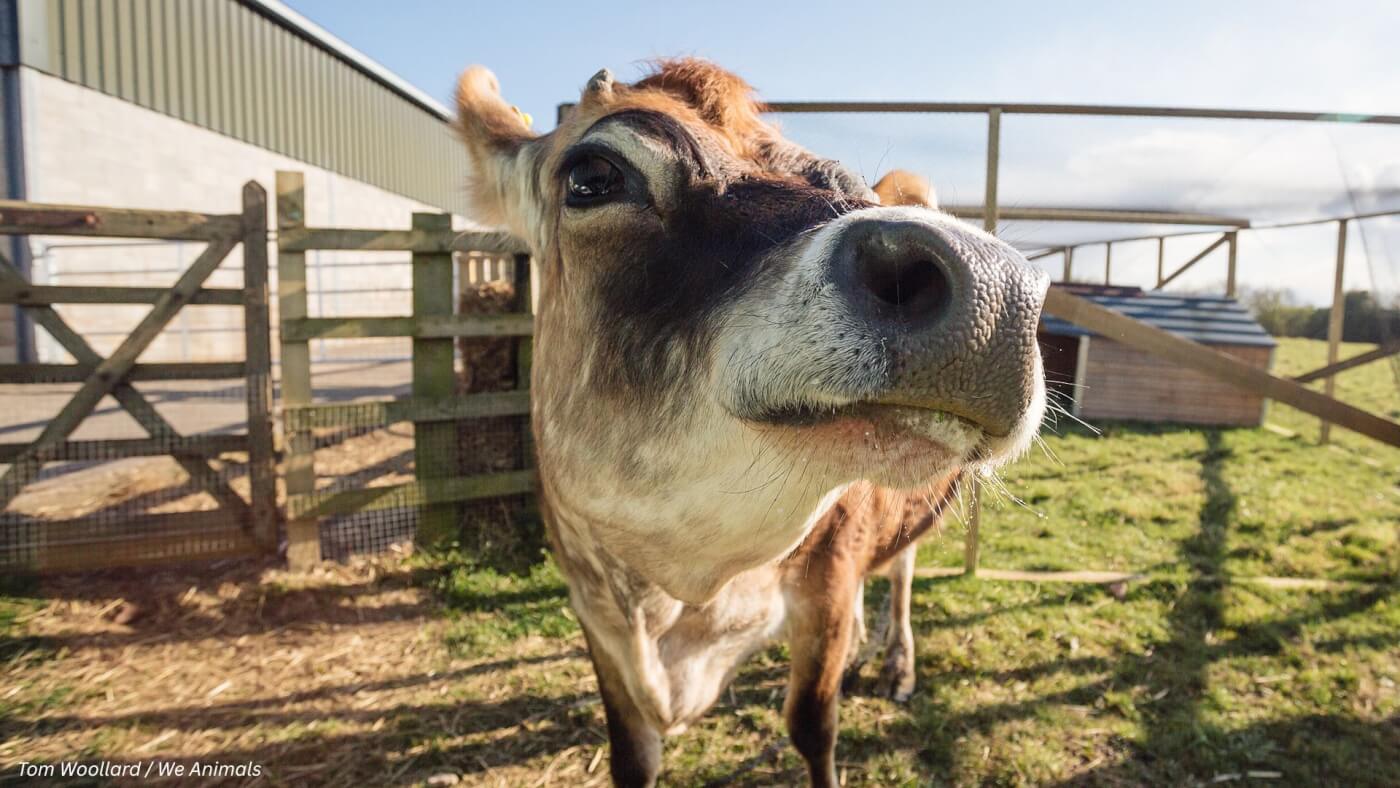
“It was a joy, really, to know that the ones that were still living on the farm
~ Jay Wilde, former animal farmer
were going to be saved, literally, and enjoy just being cows.”
This is a pivotal moment for British farming. The UK government must act to prevent further animal suffering, environmental destruction, and the risk of another animal-borne pandemic. This means supporting British farmers in transitioning to sustainable, plant-based farming through investment, training, and ending subsidies for animal agriculture.
What You Can Do
Every time you choose an animal-free meal, you invest in a better future – for your health, the planet, animals, and the hardworking British farmers who grow our food.
Eat vegan.
Speak up.
Support the shift in British farming. Urge your agricultural minister to back British farmers by investing in a plant-based future.
Let’s grow something better – together.