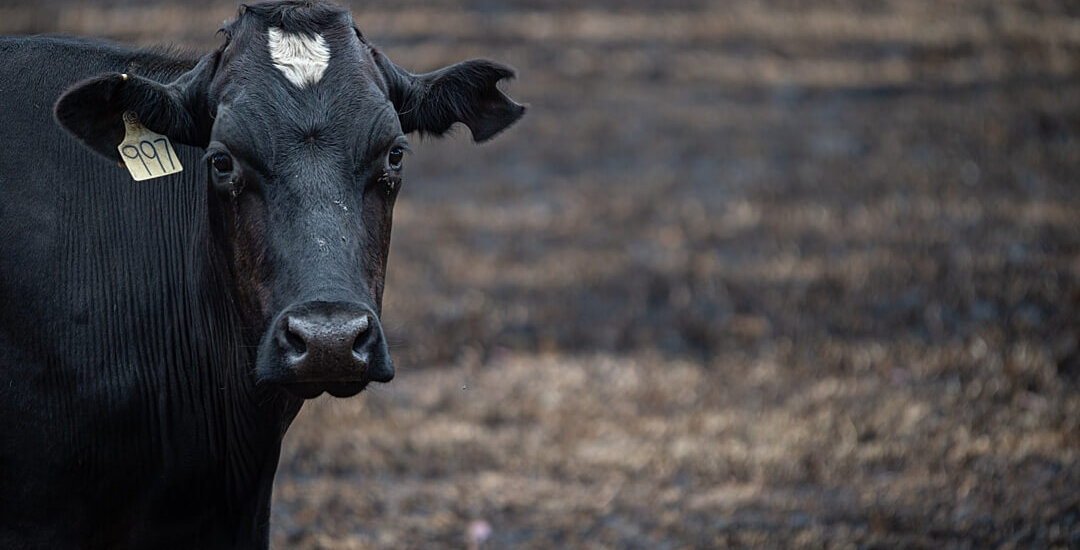
How to Tell if Your Leather Coat is Really Animal-Free
Nothing’s more stylish than being comfortable in your own skin, so, naturally, you’ll want to be able to identify which shoes, bags and jackets are the products of the cruel leather industry, and which are sustainable, kinder, vegan leather.
In the past decade, the fashion game has changed. Thanks to increased awareness about how animals suffer so that we can wear their skin, and the environmental impact of animal skin production, consumers are seeking cruelty-free options.
Happily, designers and textile innovators are rising to meet demand, with leathers made from mushrooms, cacti, apples, grapes, and more hitting runways and shelves worldwide.
In all ways, vegan leather is superior, but it can be hard to differentiate it from animal skin. Since lives are at stake, it pays to learn how to distinguish between them.
Not All Leathers Are Created Equal
Faux, plant, vegan, ‘genuine’, kid – there are so many names for “leather” items, it can get a little confusing. Generally, you’ll see the following categories.
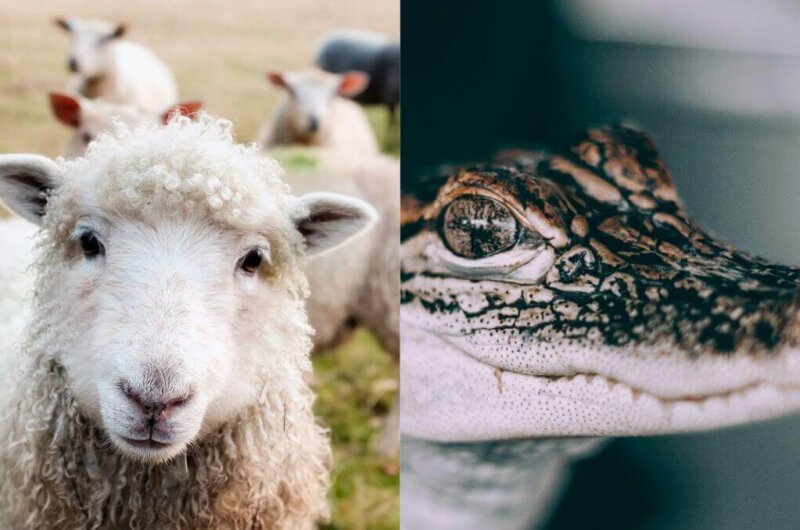
‘Real’ or ‘Genuine’ – Items labelled in this way are always animal skin, usually from a cow or bull, but also from pigs, goats, and even cats and dogs. “Kid leather” is stripped from baby goats, and calfskin is just that, the skin of baby cows and bulls. There’s even Slink, or Slunk, the skin of unborn or stillborn animals.
‘Exotic’ or wild skins – Disingenuously named “luxury,” wild animal skin items are made from animals such as crocodiles, alligators, ostriches, lizards, and snakes. These animals are either taken from their natural habitats or raised on factory farms.
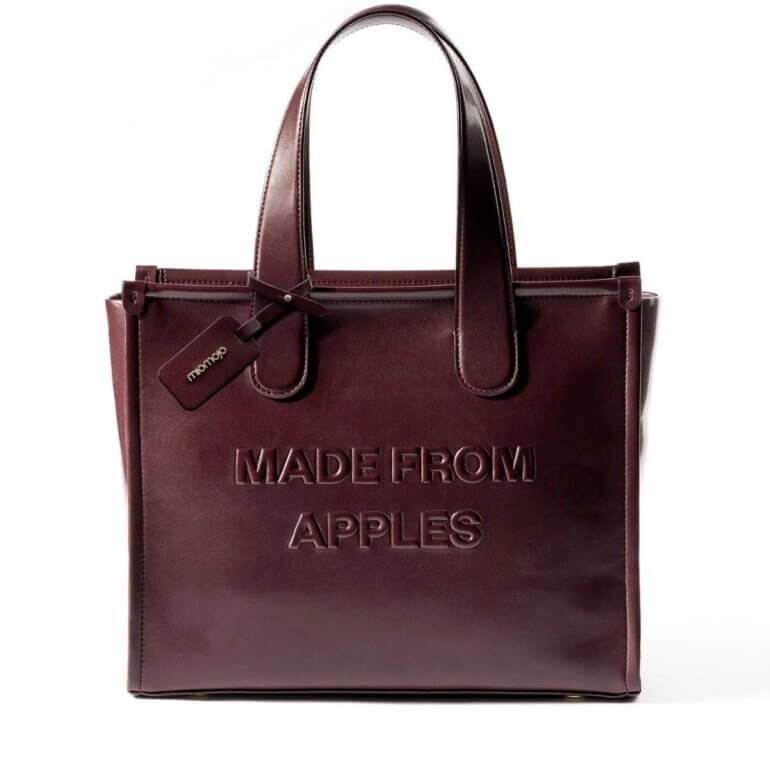
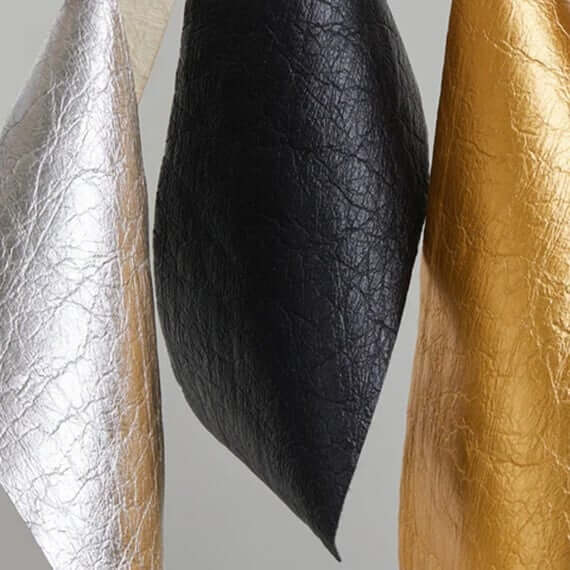
Vegan leather – Often, this refers to items made from plants, such as apples, mushrooms, cork, and cacti, but the list is constantly growing. These are the best, as they’re not only cruelty-free but also avoid plastics.
Faux Leather – While this can mean ‘made from plants’, it’s also often seen on items made from plastics, like PU or PVC. Sometimes, it will be recycled plastic. Plastic is a concern for the planet (though still better than animal skin), making vegan leather made from plants the top pick.
Identifying Animal Skin
Usually, labels provide all the necessary information. For some reason, purveyors of animal skin think it’s a boast to kill animals and the planet, and label garments clearly. However, if the item isn’t clearly labelled, you may need to dig deeper.
In general, the patterns on animal skin are varied and random, whereas vegan leather will be more uniform. Animal skin also has a distinct smell, and when you turn it over, the back appears to be skin, not a textile.
Don’t assume price is a clue – the low welfare conditions of animals exploited for their skins can make such items cheap. In China, the world’s largest animal skin supplier, an estimated 2 million cats and dogs are also killed for their skins each year, which are sold for next to nothing.
You never know whose skin you’re in!
Ethical Concerns
Everyone knows fur is cruel, but have you ever considered that items labelled leather are fur without hair?
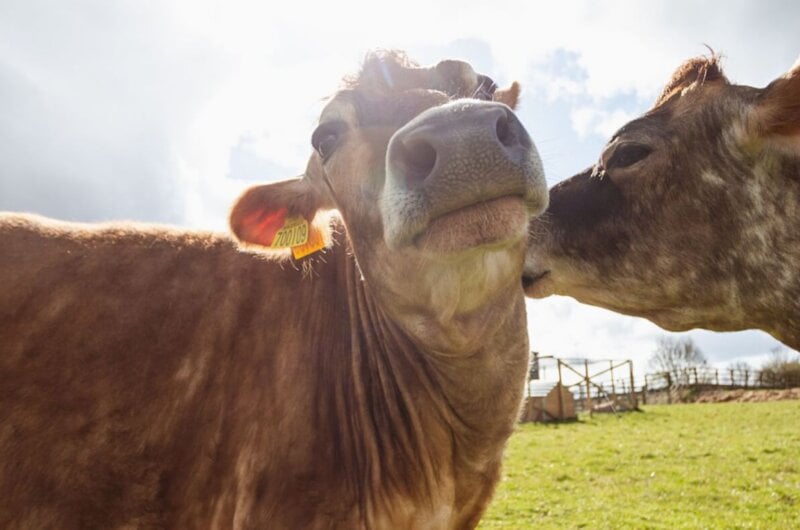
There is, of course, no “humane” way to skin an animal, and more than 1 billion animals are killed worldwide for the animal skin trade every single year. Some endure gruelling death marches where they have their tails broken and chillis put in their eyes to keep them moving. Others are raised on filthy factory farms before their throats are slit. Low welfare standards and improper stunning techniques mean many animals have their throats slit while still conscious or are skinned alive.
Aside from animal suffering, the skins trade is a human rights crisis. Paid slave wages and forced to work in unsafe conditions, tannery workers – many of whom are just children – suffer severe health issues from constant exposure to the chemicals needed to stop animal skin rotting off the hanger. In Bangladesh, 90% of tannery workers die before the age of 50, usually from respiratory distress or cancer.
Animal Skin Items Are an Eco-Disaster
It’s no secret that animal agriculture and its methane- and nitrous oxide–rich products are leading drivers of the climate catastrophe. In Brazil, land clearing to accommodate cows killed for food and fashion is responsible for at least 80% of the Amazon’s deforestation.
Runoff from feedlots and dairy farms also constitutes a significant source of water pollution, contaminating drinking water and depleting oxygen levels in oceans, which can result in “dead zones.”
What to Do If You Spot Animal Skin
If you spot animal skin being sold in a store, put it back on the rack, but don’t be afraid to also remind the seller that it’s just as cruel as fur and ask them to start selling vegan leathers made from plants instead.
Got some animal skin in your wardrobe from a time before you knew better? Don’t stress. You can donate these pieces to those who have no other choice. Some homeless shelters, for example, accept coat donations.
One day, vegan leather made from plants will be all you can buy. Until then, you can help animals by never buying animal skins, sharing this information with friends and family, and signing our pledge to go leather-free:
Sign the Leather-Free Pledge
Want to fill your wardrobe with amazing vegan fabrics? Find out how with our Vegan Fashion Guide:
Here are some of the best sustainable vegan leathers you can buy:
If you’re a faux fur fan, here’s how to know if your coat is really animal-free:
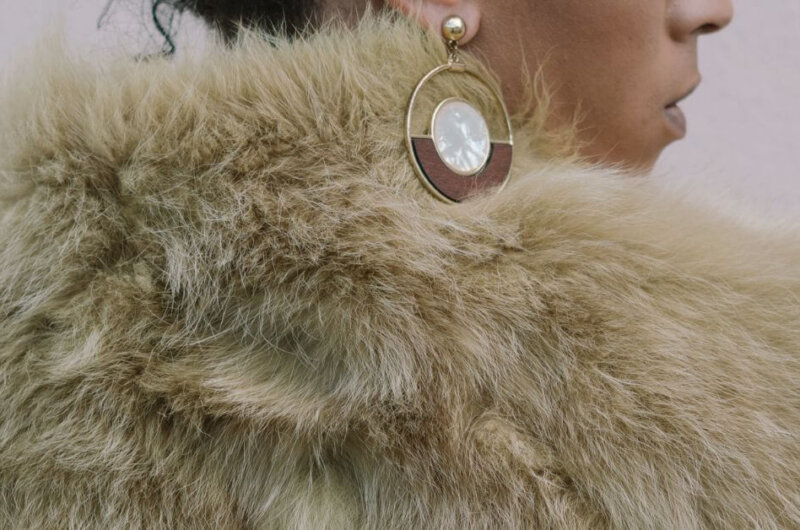
Faux Vs Real Fur Guide
Help Animals in 2026: Renew Your PETA Membership!
Donate Now