10 Reasons Not to Wear Wool from Sheep, Rabbits, and Other Animals
Even though plant wools are more popular than ever, millions of animals continue to be bred, confined, and roughly shorn for their coats.
Sheep, goats, and rabbits are among the animals subjected to horrific pain for their wool. Compassionate consumers would never touch woolly jumpers, scarves, or hats if they knew that sheep are left with bloody wounds, rabbits scream in agony, and goats are killed in front of their pals for fashion.
Animals are individuals, not fibre machines. Here are 10 reasons to never wear animal wool.
Sheep Are Abused for Wool
To date, PETA entities have released 15 damning exposés of over 150 wool industry operations revealing rampant but routine cruelty in shearing sheds across the UK, Australia, New Zealand, South America, and the US.
Workers have been filmed beating, stamping on, throwing, and mutilating terrified sheep. Claims that some wool is ‘high welfare’ or ‘humane’ have been exposed as lies, with sheep abuse uncovered at 11 farms and shearing sheds producing New Zealand’s ZQ-certified wool, which claims to be “the world’s leading ethical wool brand”.
Lambs Are Painfully Mutilated
From the moment they’re born into the wool industry, sheep endure painful mutilations, like tail-docking and crude castration (during which a tight rubber ring is placed around male lambs’ scrotums, and sharp tools are used to cut out their testicles), often without any pain relief.
The Australian wool industry also practices live lamb cutting (euphemised as mulesing) in which workers force weeks-old lambs onto their backs, restrain their legs between metal bars, and carve huge chunks of bloodied flesh from their backsides.
Sheep Don’t Naturally Need to Be Shorn
Wool pundits push the myth that all sheep need to be shorn, but that’s a problem humans have created. Sheep only grow excessively heavy fleeces when humans breed them specifically for that purpose.
In nature, they produce just enough wool to protect themselves from extreme weather conditions. This naturally sheds in the warmer months.
Excess wool production makes sheep prone to fly strike, where maggots proliferate in the wrinkled folds of the sheep’s skin. This issue is handled via violent live lamb cutting, but the problem only exists because humans breed sheep for wool.
Every Sheep Is Someone
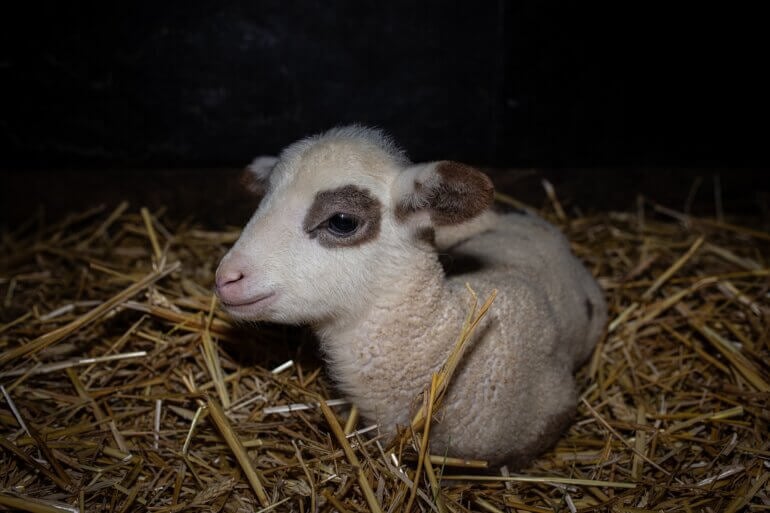
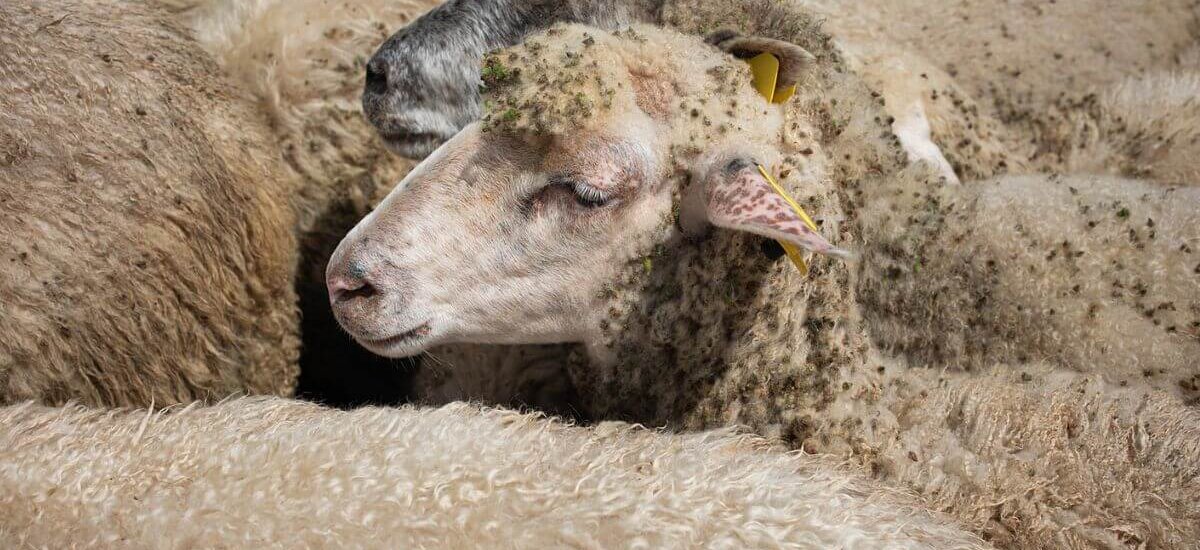
Every animal is someone, and sheep are no exception. Sheep are gentle, clever, curious and playful. Rescued sheep residing at sanctuaries, where they’re allowed to keep their tails, wag them to express joy, just like dogs do. They make friends in their flock, and studies show that, like humans, sheep visibly express emotions – showing signs of depression when they experience stress or isolation – and can recognise different facial expressions in humans. Each sheep has a unique personality, and they shouldn’t ever suffer (and die) in the wool industry.
Wool Is Environmentally Damaging
Wool is a lucrative co-product of the highly destructive meat industry, and a damaging sector in its own right. Raising sheep requires vast areas of land to be cleared of trees, resulting in habitat loss, soil erosion, increased soil salinity, and reduced biodiversity.
Shearers Work at Reckless Speeds
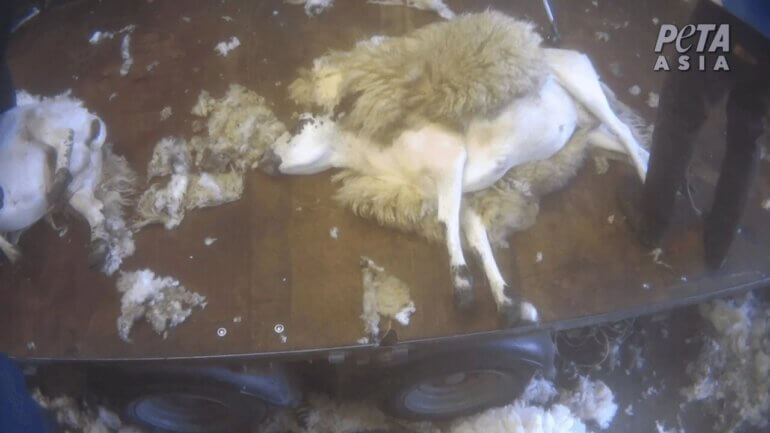
Shearing isn’t just a haircut. More often than not, it’s a violent, fearsome experience for sheep. Shearers are generally paid by volume, not by the hour, which encourages them to work as quickly as possible.
A PETA Asia investigation into 25 English sheep shearing sheds found cruelty in every one. Workers stamped on the heads and necks of terrified sheep as they were pinned down. They also squeezed their throats and kicked them in the stomach.
Millions of Sheep Die from Exposure Each Year
Sheep are shorn in the spring, just before some breeds would naturally shed their winter coats. However, many are shorn prematurely, leaving them exposed to harsh weather conditions without any protection from the cold. Additionally, many lambs are left to die, with the sheep industry in Australia estimating that a quarter of lambs (10 to 15 million baby animals) die from exposure or malnutrition or are killed by predators within 48 hours of birth. To make sure that they always have enough sheep to make a profit, farmers breed them to bear more lambs to offset the deaths.
Every Sheep Used for Wool Is Sent to Slaughter
The misery isn’t over for sheep even once their wool production declines. Once deemed to be “unprofitable”, sheep who’ve spent their whole lives being roughly sheared are shoved onto lorries and trucked to a terrifying death at the slaughterhouse.
Goats and Rabbits Also Suffer for Wool
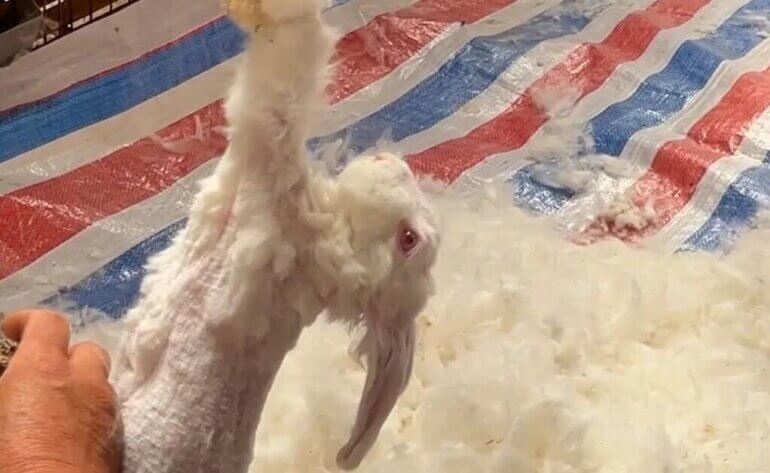
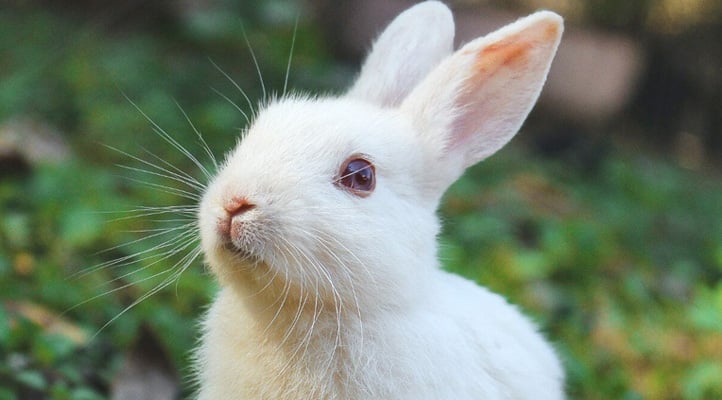
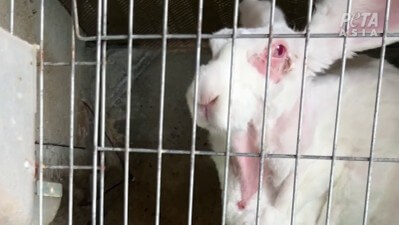
It’s not only sheep who suffer for wool. Goats and rabbits used for cashmere and angora are also exploited and abused. Goats scream in pain as their delicate skin is torn apart during fleece removal, while socially complex rabbits are typically kept inside small, filthy, bare cages and face the ordeal of live plucking up to four times a year.
Investigation footage obtained by PETA Asia inside eight angora wool factory farms in China shows that workers tightly tie rabbits’ legs and violently rip out fistfuls of their hair, causing the animals to scream in pain, or hang them from the ceiling by their legs and shave them recklessly, leaving many rabbits frozen from fear and some with bloody wounds. This continues for two to three days until the rabbits are killed.
Plant Wools Are Superior
Just as we don’t need to skin animals for their fur to stay warm, we don’t need to steal their wool! Common plant wools such as cotton, bamboo, and hemp, as well as innovative new fabrics made from fruit waste, soya, and even beer, are durable, warm, stylish, kind to animals, and far better for the planet. More and more labels now sport the PETA Plant Wool Logo, and the PETA Approved Vegan Logo searchable database remains a valuable resource for finding animal-free fashion.
Take Action for Animals Used for Wool!
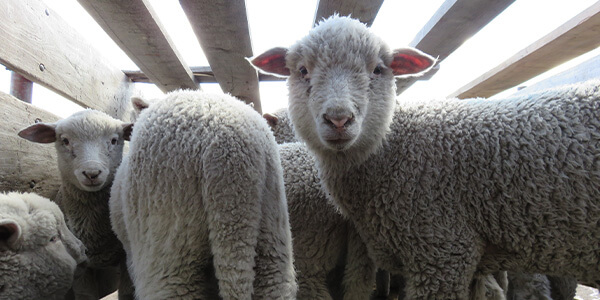
You can take action today for animals abused and exploited for wool. Urge brands like Patagonia and Urban Outfitters to stop using wool:
You can also message Kangol to request the brand stops using angora:
Help Animals in 2026: Renew Your PETA Membership!
Donate Now