The Oxford Dictionary Should Update the Definition of ‘Wool’ – Here’s Why
With the Oxford English Dictionary set to carry out its quarterly review in the coming weeks, we have requested an update to the definition of ‘wool’ to include ‘plant wool’.
Currently, wool is defined as follows:
“The fine soft curly hair forming the fleecy coat of the domesticated sheep (and similar animals), characterised by its property of felting (due to the imbricated surface of the filaments) and used chiefly in a prepared state for making cloth; frequently, the material in a prepared state is a commodity.”
But this definition excludes the very real, rapidly growing plant wool market. Plant wool, which can be made with everything from bamboo and linen to orange peel and beer waste, is far more ethical and sustainable than animal wool, and it’s being embraced internationally by innovative designers like Ganni, and Vivienne Westwood.
The Oxford Dictionary Should Get with the Times
In a new letter to the Oxford English Dictionary, PETA points out that plant wools have existed for centuries. The term ‘pine wool’ has been used since the mid-19th century.
The Oxford English Dictionary has previously noted that it prides itself on documenting “the continuing development of our society”, and this should cover growing awareness of the environmental and ethical impacts of wool.
Sheep Farming and the Environment
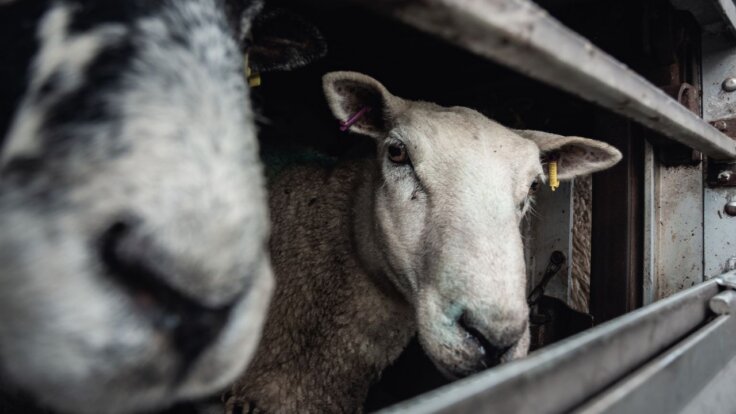
Sheep occupy vast areas of land and have played a key role in the deforestation of the UK. Around 4 million hectares are dedicated to sheep farms in the country – that’s an area twice the size of Wales. Before farming took over, the UK was filled with forests, wetlands, and abundant biodiversity. Now, it is one of the most nature-depleted countries in the world.
Plant Wool Is More Ethical
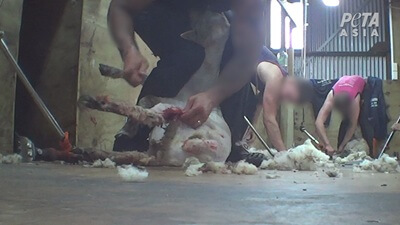
In 1985, the Oxford English Dictionary added the term “speciesism”, the name given to the assumption of human superiority over other animals, leading to their abuse and exploitation. Sheep suffer hugely in the animal wool industry – being separated from their mothers, roughly shorn, and eventually sent to the slaughterhouse.
Plant Wool Is the Future
As more people recognise the real cost of animal wool, plant wools will inevitably take over as the far superior option. The Oxford English Dictionary has a chance to show people that we do not need to steal from animals to get wool – and that we can instead work with nature to grow wool.
Take Action for Sheep
You can help sheep exploited in the wool industry today by urging IKEA to drop wool:
Help Animals in 2026: Renew Your PETA Membership!
Donate Now