
Take Action: Help End Hunting with Dogs for Good
The UK government has said it will ban trail hunting – a practice long exposed as a smokescreen for illegal hunting with dogs. Now, it’s asking the public how that ban should work in practice. Here’s what you can do to help.
This is a rare and powerful opportunity to close the loopholes that have allowed hunts to continue chasing and killing wildlife for years – despite the Hunting Act 2004.
A public consultation is now open on how trail hunting should be prohibited in England and Wales. What happens next depends on how many of us speak up.
If the law isn’t written clearly and enforced properly, hunting with dogs could continue in all but name.
The Reality of the Hunting Act
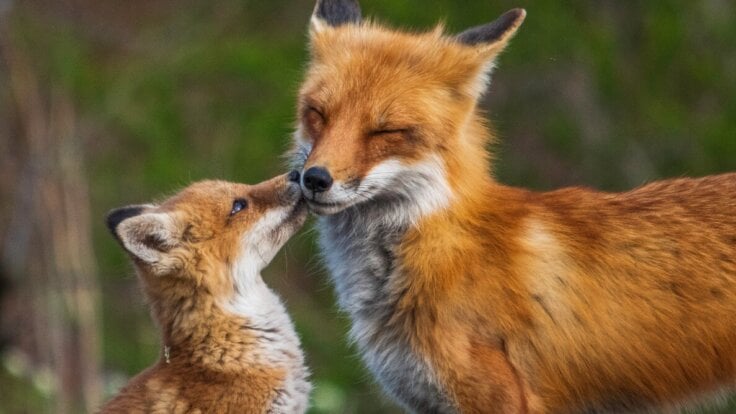
The Hunting Act was meant to protect wild mammals from being hunted with dogs. In reality, vague wording and numerous exemptions have created loopholes that allow hunts to carry on terrorising wildlife through practices like “trail hunting”.
Trail hunting is supposed to involve following an artificial scent – but in practice, it’s used as a smokescreen for illegal hunts to take place, with foxes chased and torn apart, and perpetrators rarely facing prosecution.
The government’s proposed ban on trail hunting is a chance to finally fix these failures and make the law do what it was always supposed to do – protect wildlife.
But that will only happen if the public demands it.
Have Your Say – In Your Own Words
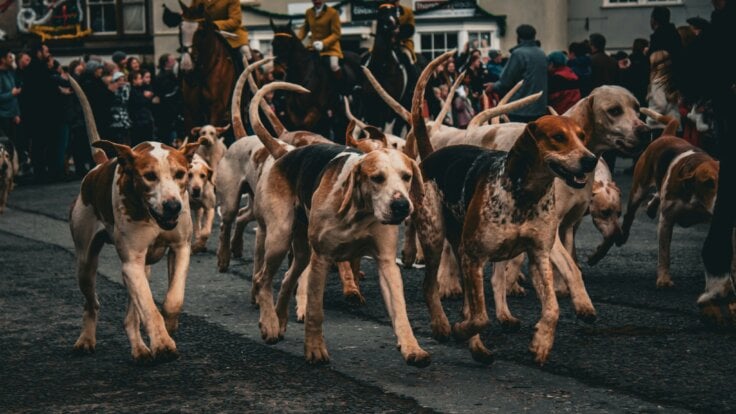
The consultation is an online survey. You don’t have to answer every question – just the ones you feel are relevant.
The most important thing is that responses are written in your own words.
Copy‑and‑paste submissions are often grouped together and carry less weight.
Approaching the Consultation
The consultation will ask you to answer 29 questions (including your personal details, which are questions one to six). Rather than providing set answers, here are a few examples of the kinds of points you may wish to raise.
Key things to remember
- You don’t need to answer every question
- Write in your own words
- Focus on closing loopholes and protecting wildlife
- Clear laws mean real protection – not just promises on paper
7. Do you agree with the proposed definition of “trail hunting”?
- Say no.
- Say you do not agree because the definition focuses on scents rather than how hunting with hounds actually works in practice.
- Emphasise that the law should focus on whether hounds are put in situations where chasing or killing wild mammals is a foreseeable outcome, regardless of the claimed scent used or intent.
8. What types of conduct should be covered by ‘engagement’ or ‘participation’ in trail hunting?
- The law must apply to anyone who materially or physically contributes to a group acting with the shared purpose of hunting a wild mammal with hounds.
- Say engagement and participation should cover everyone whose actions materially contribute to a hunt, reflecting its collective nature.
- Include organisers, participants, and anyone facilitating or directing hounds in areas where wild mammals are present.
9. In relation to offences or conduct which would assist unlawful trail hunting to take place, we intend that it should be an offence for the owner or occupier of land to knowingly cause or permit another person to engage or participate in trail hunting on that land. Do you agree?
- Say yes, because hunting with hounds cannot take place without land access.
- Stress that landowners should take reasonable steps to prevent illegal hunting and cannot avoid responsibility through inaction or wilful ignorance.
10. In relation to offences or conduct which would assist unlawful trail hunting to take place, we intend that it should be an offence for the owner or person responsible for a dog to knowingly cause or permit another person to use the dog for trail hunting. Do you agree?
- Say yes, because allowing dogs to be used for trail hunting is a clear form of assistance.
- Liability should include dog owners, handlers, and anyone who authorises or organises their use.
11. Are there any other forms of conduct which should be considered as possible offences in relation to offences or conduct which would assist unlawful trail hunting to take place?
- Say yes.
- Say offences should include reckless behaviour that creates a risk of wild mammals being chased or killed.
- Also include facilitating or supporting hunting, such as providing funding, equipment, vehicles, land access, or obstructing monitors and enforcement.
12. Do you consider that any other legislative changes are necessary to ensure that a ban on trail hunting is effective?
- Say yes.
- Say the Hunting Act must be strengthened by shifting from intent to outcome, using a test of reasonable foreseeability.
- Call for removal of exemptions in the Hunting Act, which are widely abused and undermine enforcement.
13. Do you think that it is possible for dogs to be appropriately trained for specific purposes other than trail hunting without the use of either animal based scents or artificial scents which mimic an animal-based scent?
- Say no, because there is no justification for training dogs to follow scents mimicking wild mammals.
- Emphasise that existing exemptions in the Hunting Act – which permit activities such as research, rescue, and so-called ‘pest’ control – have been misused and should be removed entirely.
14. Do you think that it should remain lawful, in certain circumstances, for animal based scents, or scents which mimic animal based scents, to be used in training dogs for certain purposes?
- Say no, as there is no clear need outside tightly regulated contexts like emergency services.
- Allowing this would create loopholes likely to be exploited for illegal hunting.
15. We understand that drag hunting is an equestrian sport where an artificial non-animal based scent trail, which does not mimic an animal based scent, is laid along a pre- determined route for hounds to follow. Do you agree that this is an accurate description of drag hunting?
- Say no, as any definition must clearly state trails are laid away from wildlife‑rich areas.
- Without this clarity, hunts can falsely claim drag hunting while hunting live animals.
16. Do you think that there is a risk that dogs engaged in drag hunting will deviate from the pre-laid trail by the scent of a wild mammal and then pursue the wild mammal?
- Say yes, because many hounds instinctively follow animal scents.
- Stress that routes through wildlife habitats create a foreseeable risk that must be legally addressed.
17. Do you agree that this is an accurate description of ‘clean boot’ hunting? We understand ‘clean boot’ hunting is an activity where hounds hunt human runners who neither wear nor drag any form of artificial scent enhancement.
- Say no, because definitions must be more precise, including specifying dog breeds used.
- Emphasise that even clean boot hunting carries risks if conducted where wild mammals are present.
18. Do you think there is a risk that dogs engaged in clean boot hunting will deviate from their pursuit of human runners to the pursuit of wild mammals?
- Say yes, as the risk is reduced but not eliminated.
- Call for tight definitions and restrictions on location to prevent accidental or reckless hunting.
19. Do you think that a new law to ban trail hunting would need to include any additional provisions in relation to drag hunting or clean boot hunting?
- Say yes, because these activities could be used to disguise illegal hunting.
- New legislation should take a comprehensive approach to all hunting with hounds. It should prohibit reckless or “accidental” hunting by requiring hunts to take all reasonable steps to prevent animals from being chased.
20. Are there any equestrian activities other than drag hunting, for example point to points, which you think are at risk from being affected by the proposed ban on trail hunting?
- Say no.
21. How do you think the introduction of a ban on trail hunting will affect dogs used for trail hunting? For example, will they be able to be re-directed to other activities?
- Say hunts are responsible for the well-being of their dogs, including rehoming dogs where possible and ending further breeding.
- Make clear that the welfare of dogs must not be used to justify continued harmful practices.
- You could also point out that dogs in hunts are often mistreated, neglected, and killed by people engaging in hunts.
22. Do you think that there should be a transition period following the introduction of a ban on trail hunting and if so, how long should that period be?
- Say no, as any delay prolongs harm to wild animals.
- Hunts have already had ample time to adapt.
23. Do you think that the proposed legislation to ban trail hunting in England and Wales will affect people and/or communities more widely?
- Say no, noting there is no evidence of harm to rural communities.
- Many people in rural communities are against hunts.
- Highlight that hunting can negatively affect communities through trespass, disruption and harm to companion animals.
24. How do you think the proposed ban on trail hunting might affect the income and activities of the hunts currently involved in this activity?
- Say economic impact does not justify continuing harmful or illegal practices.
- Hunts can transition to activities that do not involve harming animals.
25. How do you think the proposed ban on trail hunting might affect the income and activities of businesses directly linked with hunts which currently engage in trail hunting?
- Say impacts are likely to be limited (hunts are not a major source of income for most) and should not override animal protection.
- Ending cruelty should take priority over protecting outdated business models.
26. Do you think that the proposed ban on trail hunting in England and Wales might affect other businesses not directly linked with hunts?
- Say no, as trail hunting is a niche activity with limited wider economic relevance.
- There is no evidence of indirect negative impacts.
27. How do you think that the proposed ban on trail hunting could affect the environment or wildlife?
- Say the impact would be positive, reducing chasing, killing and habitat disturbance.
- A ban would benefit ecosystems and other wildlife, including protected species.
28. Are there any other matters, including possible alternatives to primary legislation, which you feel should be taken into account in developing the legislation to ban trail hunting?
- Say a ban will only work if the Hunting Act is strengthened and loopholes removed.
- Emphasise the need for clear, enforceable law focused on outcomes, not intent.
29. Is there any other evidence you would like us to consider?
- Reinforce the need for decisive legislative action.
Take Action Now
The government has opened the door. It’s up to us to make sure it doesn’t stay half open.
Complete the consultation today and help end hunting with dogs for good.
