
PETA’s Campaign to End Sepsis Experiments on Animals
Many sepsis experimenters opt for cruel, unreliable tests on animals, rather than pursuing state-of-the-art research methods. The more you learn about this potentially deadly illness, the more you’ll want to urge the UK government to stop authorising the use of animals in sepsis research and promote non-animal methods to accelerate the development of sepsis therapies.
So, here are the facts on sepsis – what it is, why sepsis experiments on animals are preventing progress, how PETA’s campaign will push sepsis research forward, and more.
What Is Sepsis?
Immune systems are designed to keep the body healthy and fight off illnesses. Sepsis develops when the immune system’s response to an infection causes damage to the body’s own tissues and organs. In the UK, sepsis affects at least 245,000 people each year, with 48,000 of these tragically losing their lives to the condition: a fatal toll greater than that of breast, bowel and prostate cancer combined.
How Does Sepsis Affect the Body?
While sepsis commonly affects those with a weakened immune system, it can affect those who are otherwise fit and healthy. Sepsis usually begins with an infection, which can be anything from a chest infection to a urinary tract or fungal infection. There are lots of possible symptoms—the NHS has advice on how to act if you suspect someone may be suffering from sepsis.
The fatal toll of sepsis is partially due to the rapidity of its progress. If it isn’t detected and addressed at an early stage, it can lead to septic shock – a significant drop in blood pressure that can cause heart failure, organ failure, strokes, and death.
What Treatments Are Available for Sepsis?
Treatments include aggressive use of broad-spectrum antibiotics, fluid administration, removal of infected areas and ventilation. Despite decades of sepsis experiments and hundreds of clinical trials, there are no targeted treatments for sepsis – or even definitive, effective tools to diagnose it. This is alarming, considering that the early diagnosis of sepsis is critical, often the difference between life and death. Current treatments for sepsis patients focus on controlling the underlying infection, but with the difficulty of early and accurate detection of sepsis, these methods often fail.
Unsurprisingly, there haven’t been major advancements in sepsis research, as many laboratories still use the same flawed methods. Experiments on non-human animals are poor models for studying human illnesses, and experimenters should instead prioritise using advanced, non-animal methods.
Why Do Experimenters Use Mice in Sepsis Experiments?
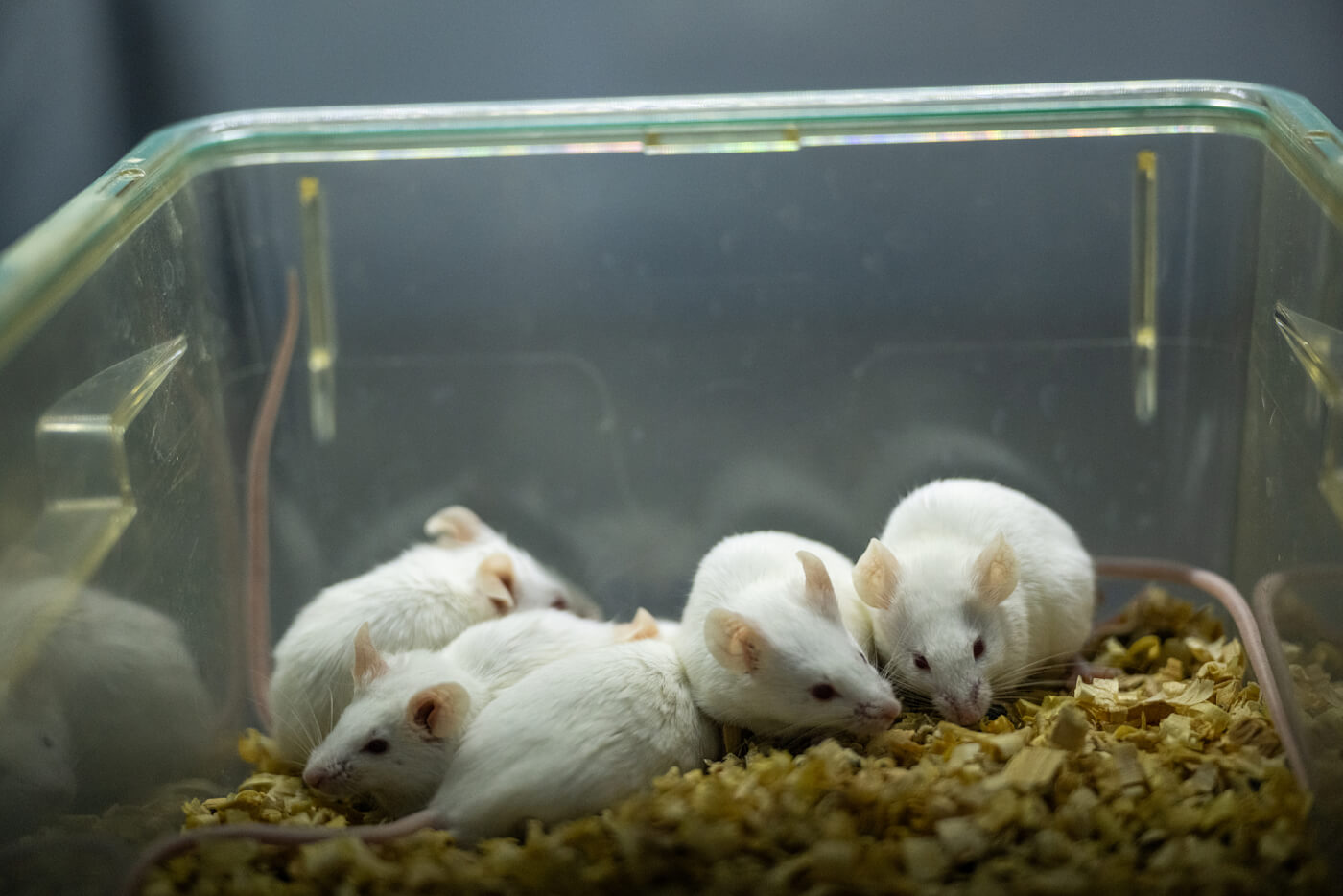
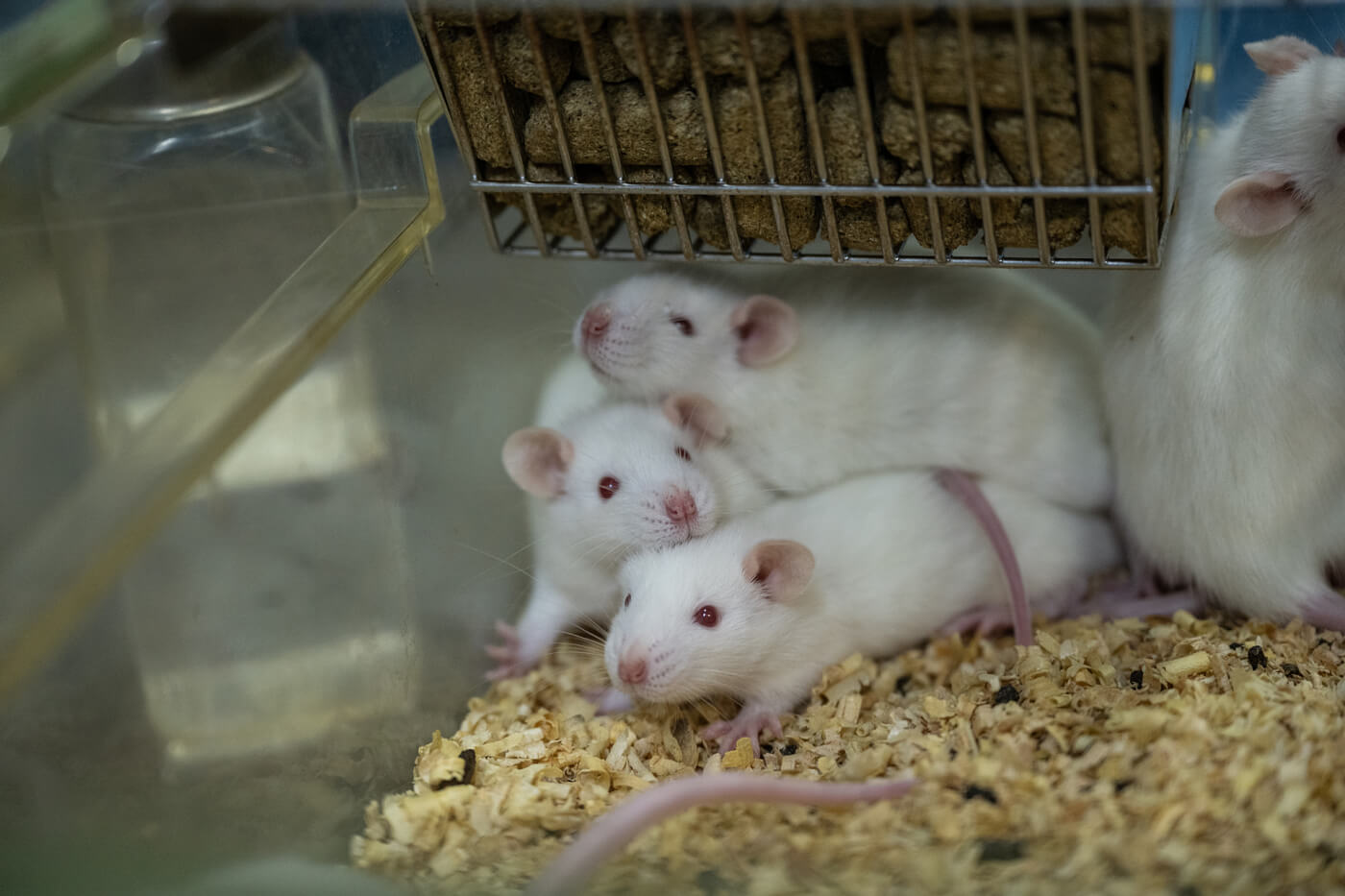
Mice are the animals most commonly used in sepsis experiments, even though their biology vastly differs from that of humans. Experimenters exploit and kill mice in these tests simply out of convenience – the animals are cheap, plentiful, and easy to handle.
What Happens to Animals in Sepsis Experiments
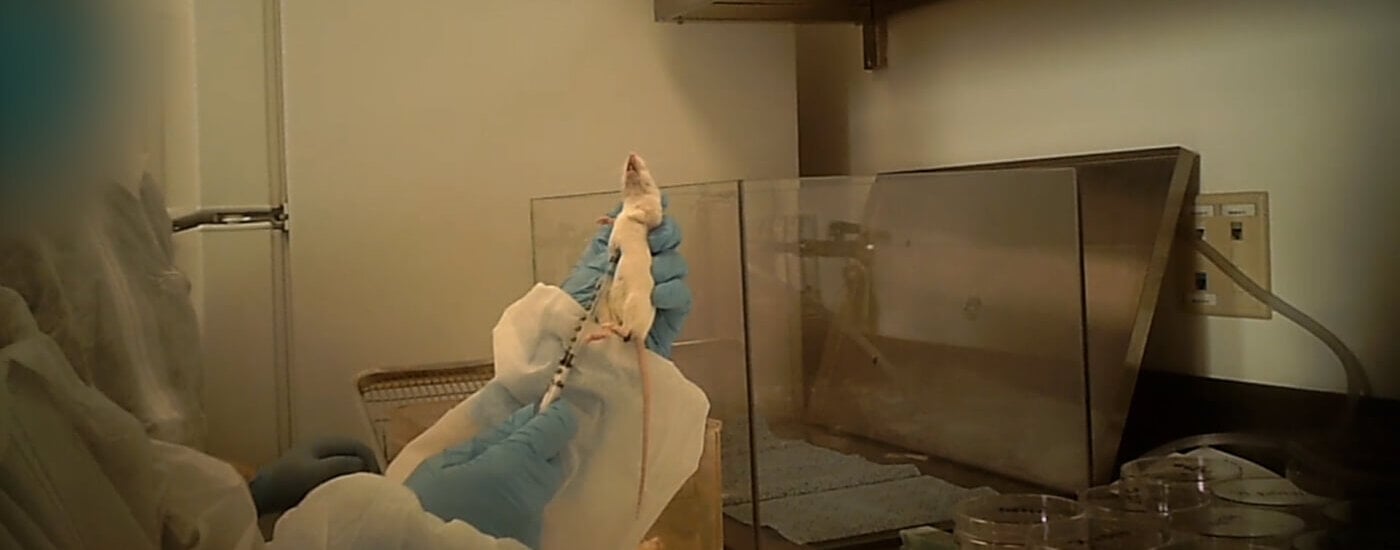
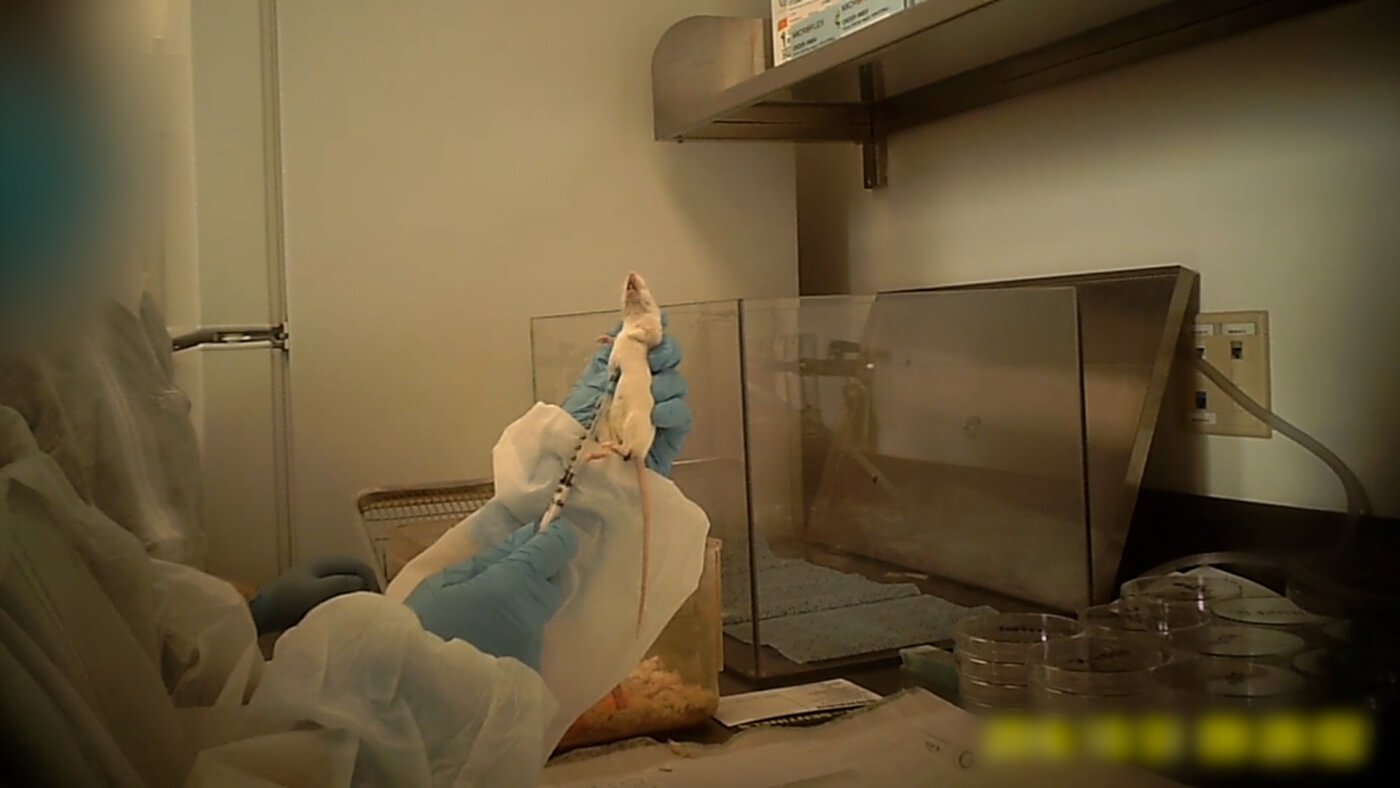
Experimenters in the UK and elsewhere cut open the abdomen of mice and rats and deliberately puncture their intestines to allow faecal matter to leak out, before stitching them back up. What follows is prolonged suffering: the animals typically endure severe pain, fever, chills, diarrhoea, laboured breathing, and organ failure. Similar symptoms are induced by injecting them with harmful bacteria or toxins. At the end of the experiment, they may either die as a result of their symptoms or be killed.
Outside of the UK, in another test – reminiscent of The Human Centipede – experimenters stitch mice together along the length of their bodies, inject toxins into them, and introduce faeces from one mouse into the abdominal cavity of another. Then, the infection ravages their small, fragile bodies, causing debilitating abdominal pain, difficulty breathing, and multi-organ failure. They eventually become so sick that they’re unable to move.
Around the world, dogs, cats, pigs, sheep, rabbits, horses, and primates, including baboons and macaques, have also been used in sepsis experimentation. None of these species can reproduce all the physiological features of human sepsis.
Mice Are Not Reliable Models for Studying Sepsis in Humans
All sepsis treatments developed using mice have failed in humans. Research has shown that the use of animals in sepsis experiments is a major contributing factor to the lack of progress in drug development for sepsis treatment, with numerous physiological differences in how humans and other animals respond to the condition.
In a landmark 2013 study, 39 researchers from Stanford University, Harvard University, and other esteemed institutions found that when it comes to serious inflammatory conditions such as sepsis, burns, and trauma, results from mice can never be applied to humans because of their vastly different genetic responses.
Even Francis Collins, the former National Institutes of Health (NIH) director, acknowledged the time and resources wasted on sepsis experiments on mice. He called the catastrophe, in which 150 drugs successfully treated sepsis in mice but failed in humans, a “heartbreaking loss of decades of research and billions of dollars.”
Cutting-Edge Techniques to Study Sepsis Are the Way Forward
Sepsis is highly variable; each person’s response to an infection is based on their individual genetics and immune system. Much of the recent progress in sepsis care and treatment is in the form of early diagnosis and prediction tools, which can be developed using humane methods and data from sepsis patients.
Human-relevant research methods, like human cell and tissue computational models, organs-on-chips and organoids generated using human cells, and AI tools, are helping innovative scientists explore how sepsis progresses, how it affects individuals differently, who is more at risk, and more – and these methods have been hailed by experts. A 2015 study by veterinarians, animal technologists, and scientists found that human genomic information could “replace the need for mouse models in disease discovery and drug development.”
These advanced methods can be used to create targeted, personalised approaches for sepsis treatment.
Animals Don’t Belong in Labs
Mice are sensitive and intelligent, and care about their families and friends. Mutilating, poisoning, and killing them in laboratories isn’t just wrong because these experiments are useless – they’re wrong because mice are someone. Mice feel pain and fear and value their lives just like we do. They simply don’t want to be tortured and killed in laboratories.
Please take action against sepsis experiments on animals now.
More Information
For more information, please read our comprehensive sepsis report or our summary factsheet.