Crabs, Lobsters, and Prawns Are Sentient – But Have No Protection in UK Laboratories
Following years of deliberation, the Home Office has finally announced plans for “exploring” the development of a roadmap towards “potential future inclusion” of decapods under the Animals (Scientific Procedures) Act (ASPA), the legislation that regulates experiments on animals.
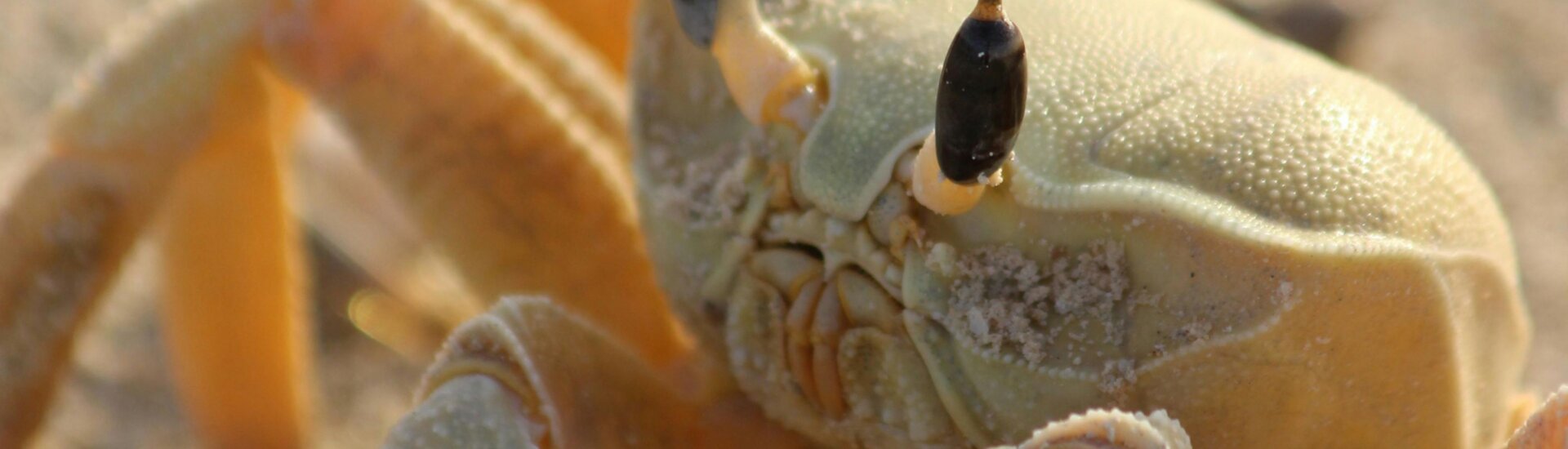
Crabs, lobsters, prawns, and other decapods have long been treated as if they were incapable of suffering, despite overwhelming scientific evidence showing otherwise. While this announcement is a step in the right direction, it comes far too late – and it does not go nearly far enough.
Decapods Are Sentient
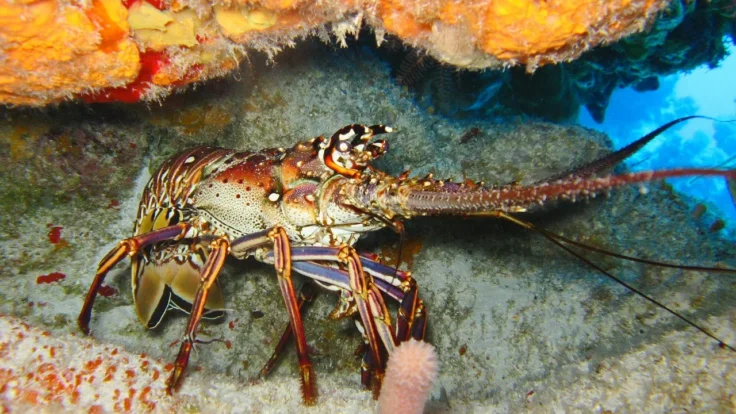
In 2021, a Defra-commissioned scientific review examined more than 300 studies and concluded that decapod crustaceans meet multiple criteria for sentience. That evidence led to their recognition as legally sentient beings when the Animal Welfare (Sentience) Act 2022 was passed.
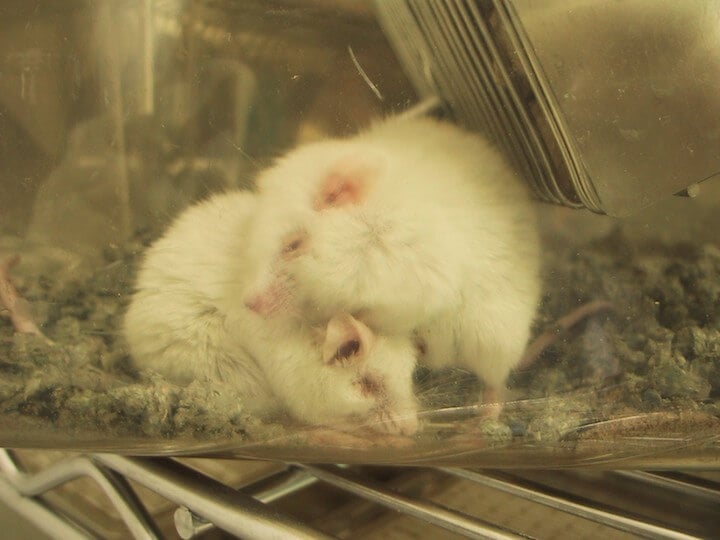
Yet despite this recognition, decapods have continued to be used in experiments in UK laboratories without being covered by ASPA. For decades, sentient individuals have been subjected to experimental procedures entirely outside this framework, with no specific legal safeguards in place.
Decapods Are Suffering Right Now
While we welcome the Home Office’s plans to look into regulating decapods when used in experiments, there is still no certainty that decapods will receive any protections under ASPA. The Home Office’s prolonged delay in addressing this issue has already resulted in countless sentient animals being used in experiments with no oversight. Even now, decapods will continue to fall outside ASPA while the Home Office works to “potentially” include them through a phased “roadmap” approach.
The Home Office has proposed potential new “industry-led” welfare standards; the same industry that has used these sentient animals in experiments for decades. This will be alongside “voluntary reporting” of their use by those subjecting them to experimentation.
Once again, animals will continue to be used in experiments without oversight while policy development drags on. A roadmap offers no reassurance to the individuals currently being subjected to experimental procedures, and “potential” inclusion does nothing to address the suffering happening today.
Protection Must Not Be Postponed
The regulation of decapods under ASPA must be implemented without further delay. Anything less risks repeating the same pattern that has left these animals unprotected for decades.
ASPA exists to regulate the use of animals in experiments that may cause pain, suffering, distress, or lasting harm. Leaving an entire group of sentient animals outside this framework undermines the credibility of the UK’s commitment to animal welfare and ignores the very evidence that led to their recognition as sentient in the first place.
Including decapod crustaceans under ASPA would not only close a glaring legal loophole but also send a clear message that sentience has meaningful consequences under the law. Recognition alone is not enough if it is not followed by action.
Ending Animal Experiments for Good
When decapods are finally included under ASPA – and with the government’s stated ambition to phase out all experiments on animals – there is hope that the use of decapod crustaceans, alongside the use of other animals, can ultimately be ended.
PETA will continue pushing the government to move beyond vague commitments and deliver concrete action on its roadmap to end experiments on animals for good. Animals have already waited far too long.
Take Action for Animals Used in Laboratories!
Help animals languishing in laboratories today with these rapid actions:
Help Animals in 2026: Renew Your PETA Membership!
Donate Now