An End In Sight: Netherlands Moves to End Captive Dolphin Breeding
Progress is being made for dolphins around the world! The Dutch government has just announced plans to impose a breeding ban and phase-out policy for dolphins in captivity, following the lead of Canada, France, and Mexico in banning cetacean captivity
Presently, just one facility, Dolfinarium in Harderwijk, keeps 22 dolphins in tiny concrete tanks in the Netherlands. The government has now said that while these animals will live out their lives at the marine park and the dolphin shows will continue, no more dolphins will be bred, making this the last generation of dolphins to suffer for entertainment in the country. The government has also instructed the park not to command dolphins to interact with humans.
Relief for Dutch dolphins may not be a done deal yet – but that doesn’t mean marine parks should delay imposing similar breeding bans. By stopping the cruel cycle of babies being born into captivity, there will come a day when cetaceans like dolphins and orcas are spared the suffering of swimming in circles in concrete tanks.
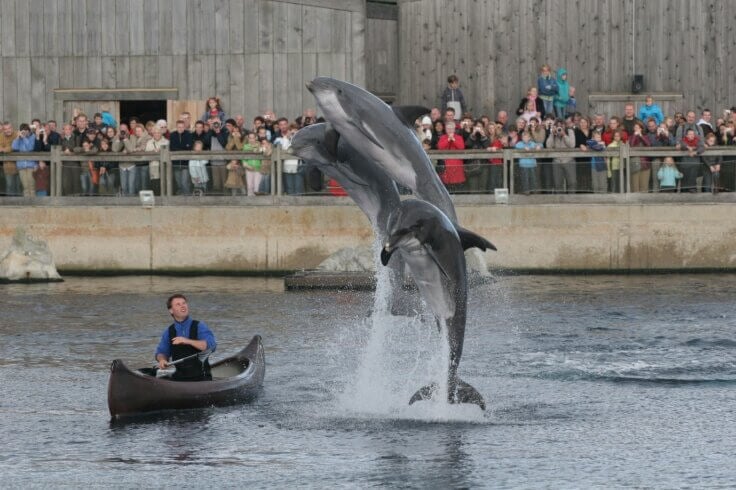
Life In A Tiny Tank Is No Life At All
Dolphins are highly intelligent and socially complex individuals who value their freedom. Bottlenose dolphins pass the ‘mirror test’ for self-awareness, some dolphins use tools, and they play games like tossing seaweed about in the same way we might play catch with our kids.
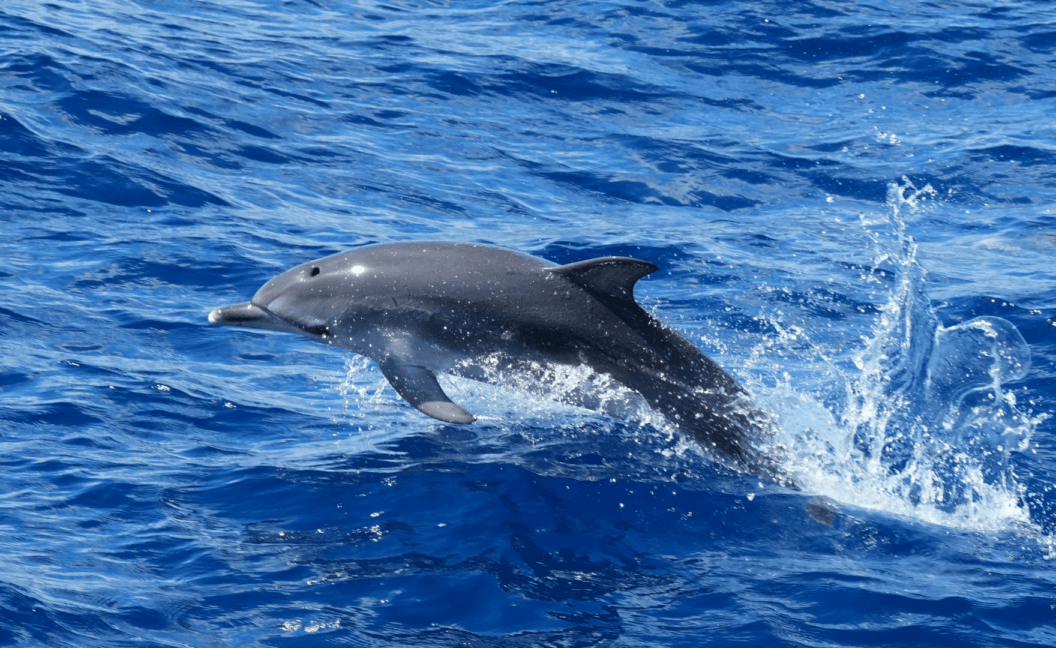
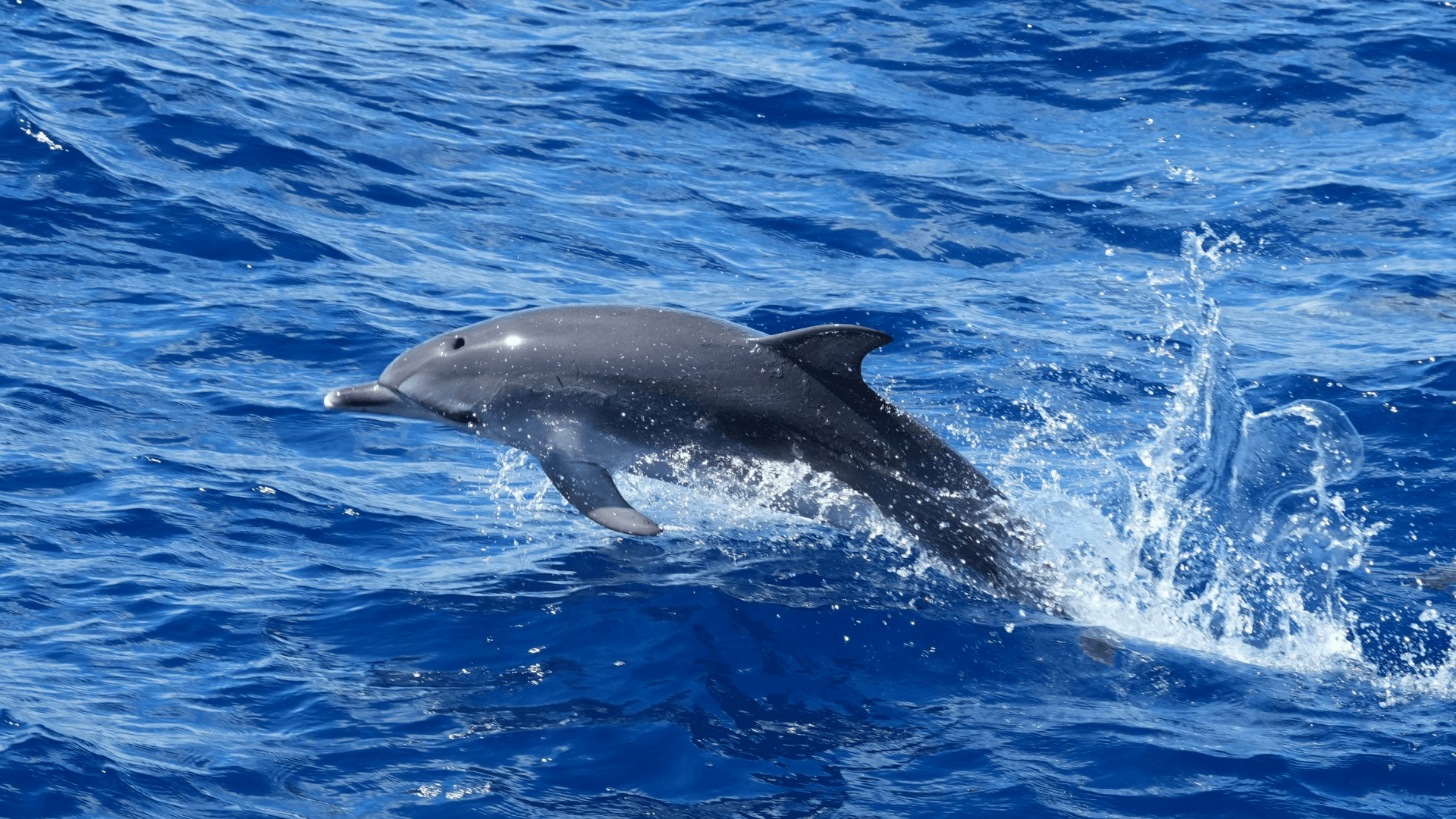
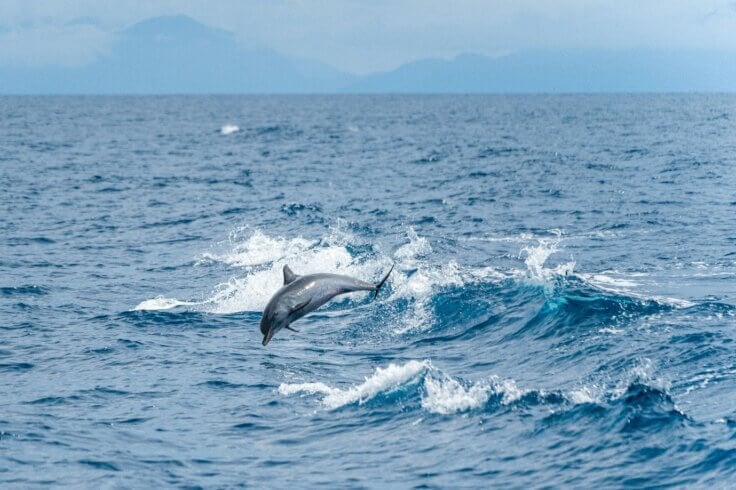
In their natural homes, dolphins swim up to 60 miles in a single day. They jump from the water, dive to depths of up to 1,000 meters, hunt for their food, and engage in complex communication with their friends and family, but marine parks deny them all those natural, important behaviours. Instead, these intelligent individuals are forced to swim in circles with little to do, hand-fed dead fish by humans, and judged by how ‘well’ they obey orders to perform.
If you can imagine spending your whole life in a bathtub, you can imagine how miserable life in a tiny tank is for dolphins.
Breeding Creates Generations of Suffering
To continue displaying dolphins, abusement parks must maintain a steady stream of babies. Born to suffering mothers, dolphin calves know only barren, concrete tanks and the repetition of performing tricks for decades on end.
Dolphin pods can contain up to 30 dolphins of different generations, and, like us, dolphins choose their own mates, but at many marine parks, they’re used as breeding machines, sometimes through forced artificial insemination. Some animals endure this process repeatedly, only for their babies to die or be shipped off to other parks.
Ending captive dolphin breeding, as the Netherlands announced it intends to do, is a crucial first step. Now, we must help dolphins and orcas be sent to seaside sanctuaries, and evolve beyond using animals for entertainment.
Not Only Captive Bred, Some Were Captured
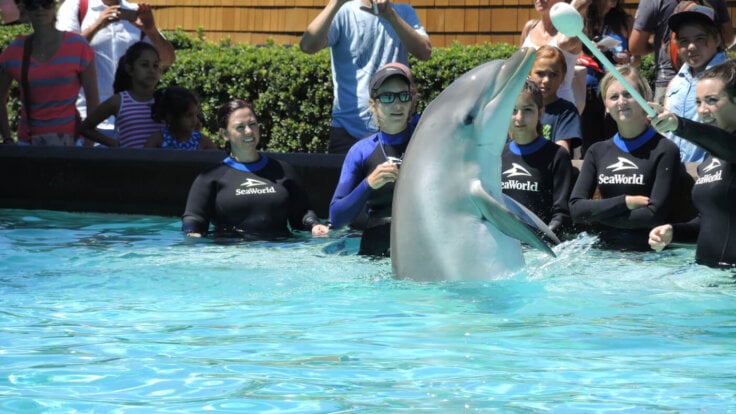
Not all animals trapped at marine parks or roadside aquariums were bred in tanks. Some were torn away from their rightful ocean homes and their families and placed in concrete tanks or makeshift lagoons. Corky, the longest-held captive orca in the world, was forcibly torn from her mother and sold into the marine park industry in 1969. Today, she’s trapped in a tiny tank at SeaWorld, swimming in endless circles. Merlin, a dolphin confined at Six Flags Discovery Kingdom, was captured from the Gulf of Mexico in 1989 and has been forced to perform in shows ever since.
Compassionate Crowds Want Marine Mammals Freed
Compassionate crowds don’t want to see animals tormented for tourism, and more and more companies are denouncing live animal shows and animal tourism.
Act today to add your name to the almost 100,000 members of the public urging TUI to implement a company policy banning the promotion and sale of tickets to marine parks.

Help Animals in 2026: Renew Your PETA Membership!
Donate Now