The Grand National: 9 Things They Don’t Tell You About Horse Racing
Whatever the results of this year’s Grand National, there’s one thing that’s a safe bet – horses will suffer as a result of the unethical spectacle at Aintree. According to Animal Aid’s Race Horse Death Watch, 67 horses have died at the annual festival since 2000.
Here are nine reasons why the Grand National – and all horse racing – is a national disgrace.
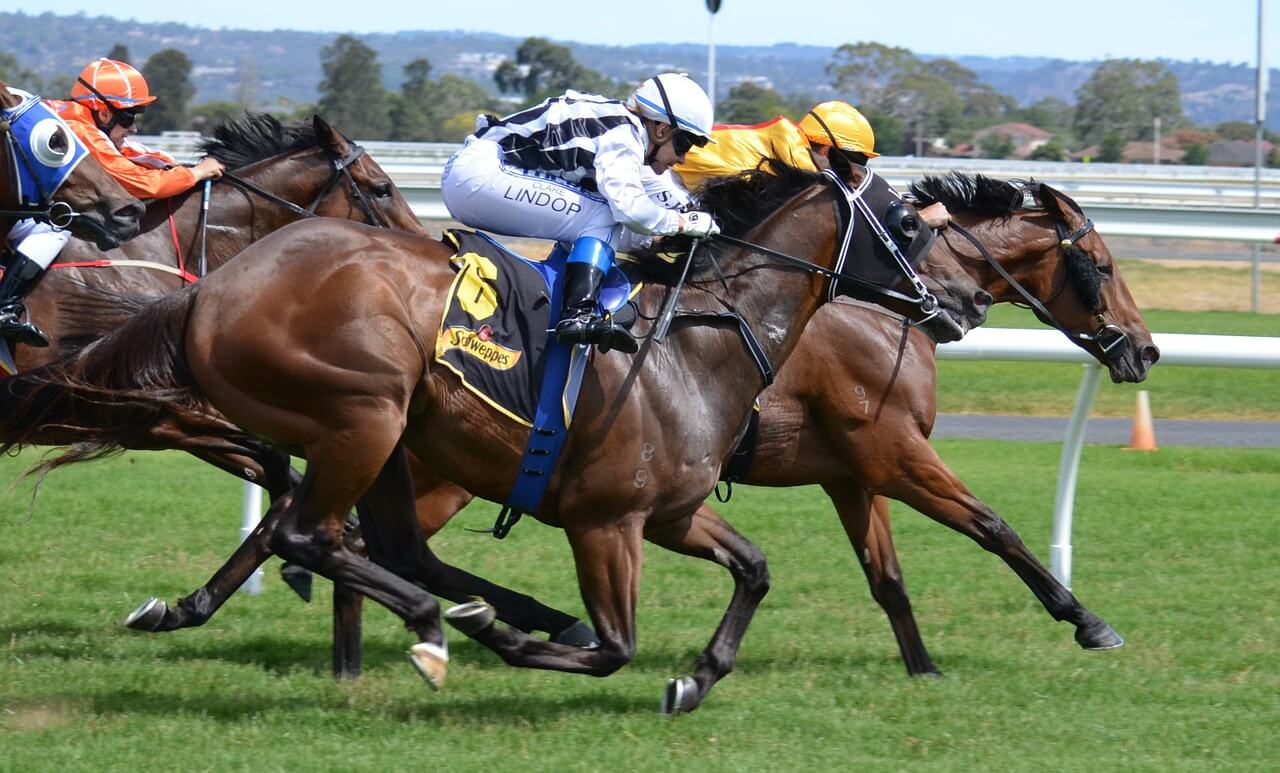
1. Horses Die on the Track
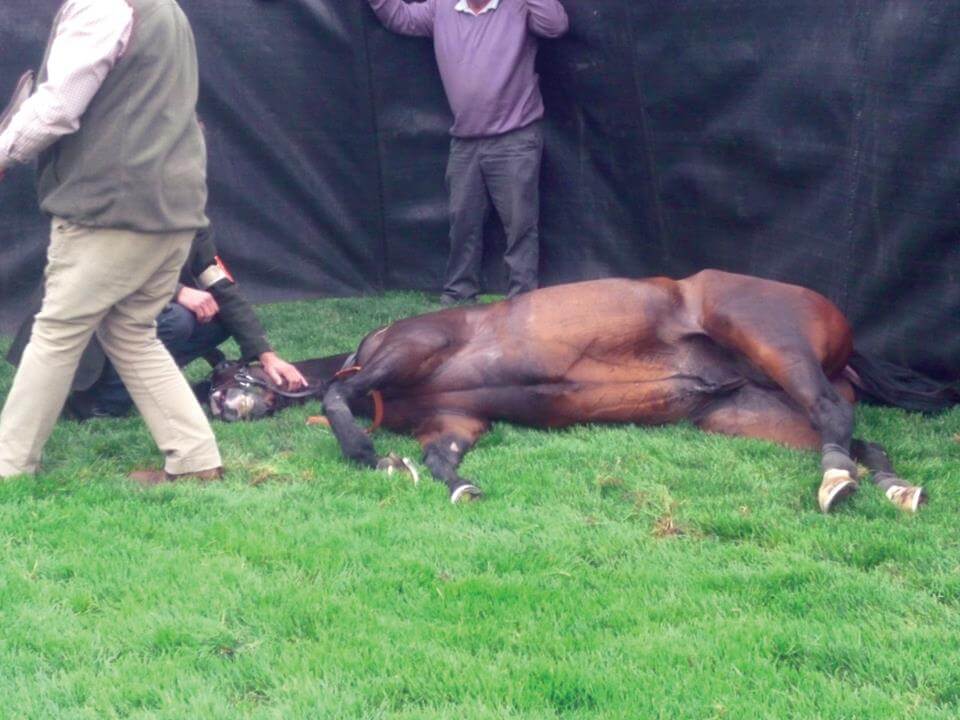
Since 2000, 67 horses have died at the Grand National Festival. Of those victims, two died in 2025, two died in 2024, four died in 2023 and four died in 2022. Horses may fall face-first into the ground and break their neck or back, dying almost immediately. Those who endure this traumatic experience – a stomach-churning mess of tangled limbs and broken bones – are often euthanised during or after the race.
2. The Racing Industry Sees Horses as Replaceable
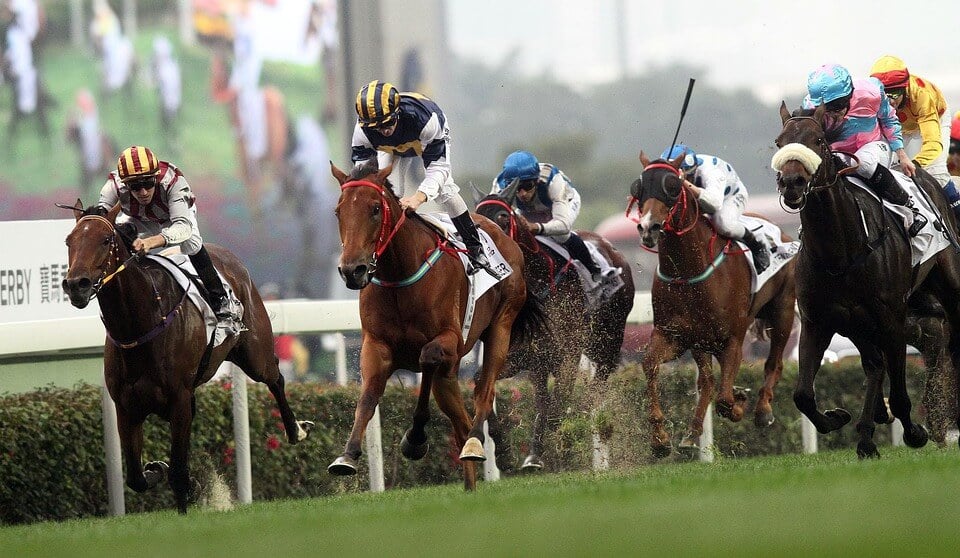
You simply cannot say you love an animal if you’d risk their life for a medal. This is highlighted by the callous behaviour seen in many jockeys and trainers. Jockey Ruby Walsh ignited a scandal when he said, “You can replace a horse”, following the death of Our Conor at Cheltenham. Trainer Gordon Elliot was pictured casually sitting on a horse who had died of a heart attack at the Grand National. And Paul Nolan, trainer of Discorama, a horse who died in the 2022 Grand National, said in response to the tragedy, “He was a great servant.” The industry treats horses as commodities, not living, feeling beings.
3. Horses May Be Drugged
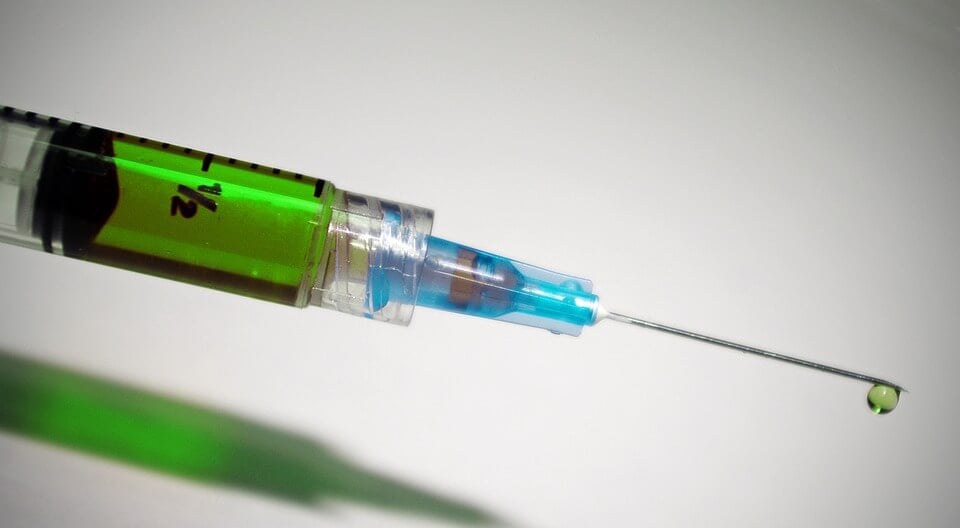
Drugs, both legal and illegal, are commonplace in racing. Horses may be drugged to mask the pain of existing injuries and conditions, which keeps them running when they should be resting or receiving treatment. Illegal drugs are sometimes used to try to make horses run faster. For example, Mahmood Al Zarooni – a trainer with one of the world’s biggest horse-racing operations – was banned from racing for eight years for doping horses with prohibited steroids.
4. Horses May Be ‘Retired’ to the Abattoir
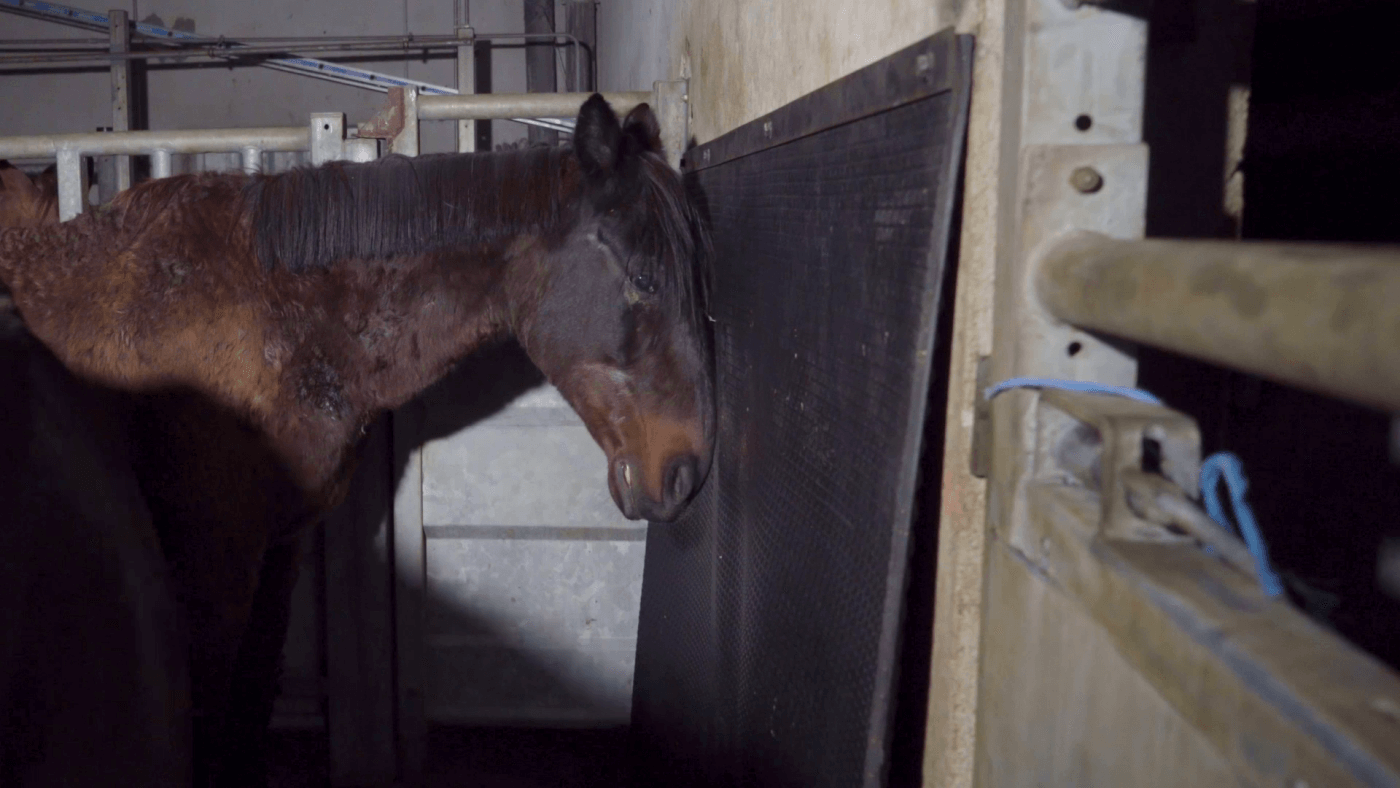
When horses used for racing get too old or stop performing well enough to be profitable, they’re often sent to slaughter. “The Dark Side of Horse Racing” by BBC One’s Panorama – featuring undercover footage from animal protection group Animal Aid – revealed that thousands of horses used for racing in the UK and Ireland were sent to the abattoir every year. They’re abandoned, neglected, or sold for slaughter, their flesh ending up either in dog or cat food or as “prime cuts” for human consumption in Asia and Europe.
5. The Grand National Is One of the World’s Deadliest Courses
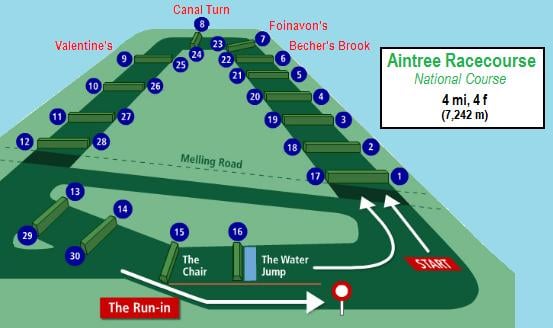
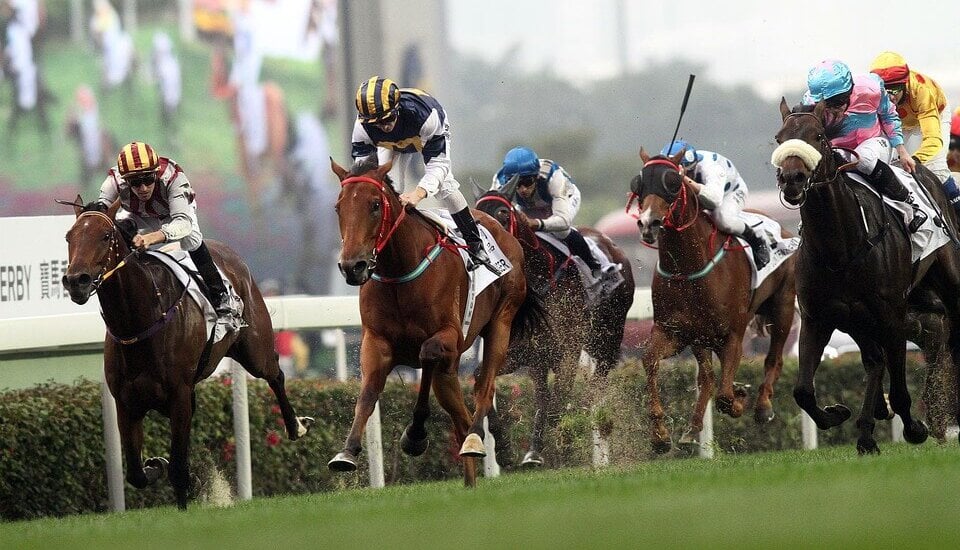
The race involves 34 skittish horses competing for space as they’re forced to run through obstacles such as drops, ditches, and sharp turns. The infamous Becher’s Brook is known as the world’s most dangerous jump and has racked up many fatalities, yet race officials refuse to remove it. Any minor “improvements” made to the course in response to public protest are mere token gestures that do little to reduce hazardous or inevitable fatalities. It’s the danger of the race that draws in crowds and lines bookies’ pockets – and organisers are willing to risk lives to keep profits high.
6. Horses Are Sometimes Abused by Jockeys
The 2018 Grand National’s winning jockey, Davy Russell, was previously given a four-day racing ban by the Irish horseracing regulator after being caught punching a horse in the head. It’s hard to believe that he was still celebrated for his win, but this is just more proof that the industry turns a blind eye to horses’ suffering.
7. They’re Forced to Race While They’re Still Growing
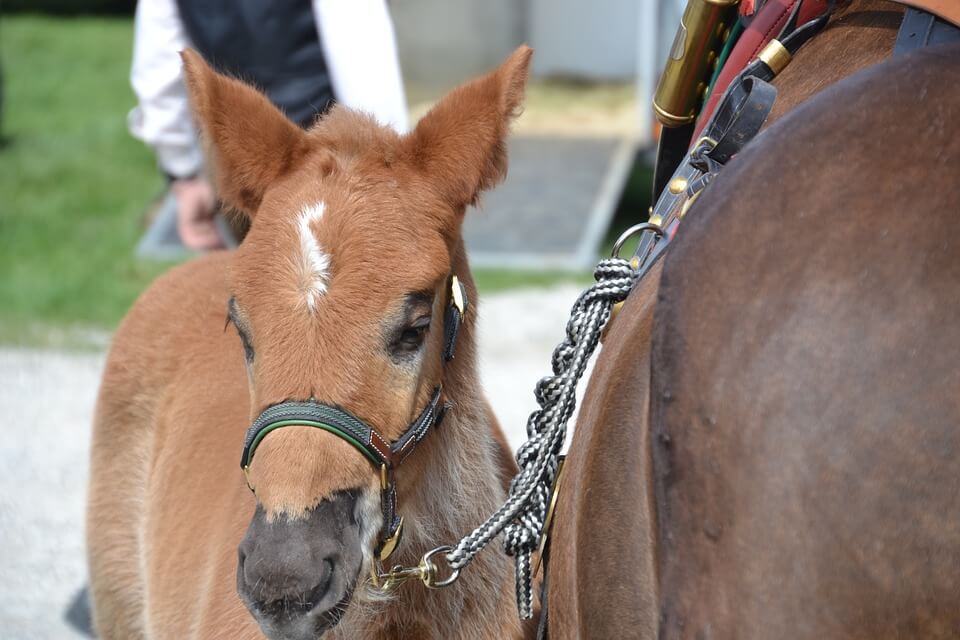
Making horses risk their lives on the racecourse is wrong, regardless of their age. It’s especially heartbreaking, however, to learn that these animals are commonly forced to begin racing when they’re barely more than babies and their bodies are especially prone to damage. It’s hardly surprising that injuries, lameness, and exhaustion are common.
8. They’re Whipped to the Finishing Line
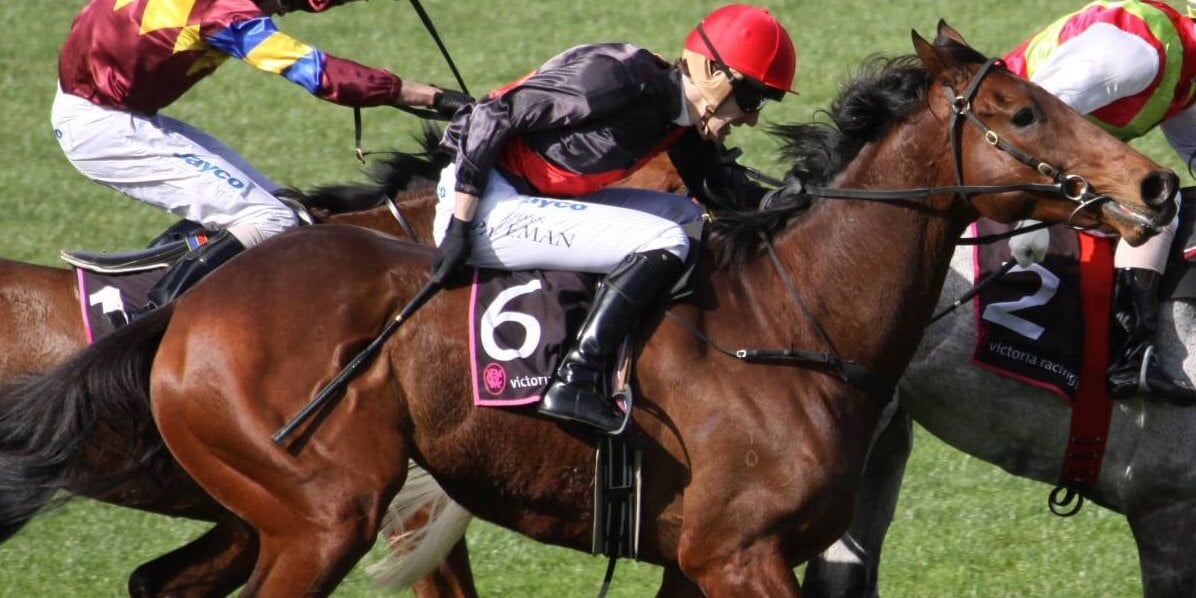
Riders at the Grand National are actually required to carry whips – despite the RSPCA’s verdict that “[u]sing whips can cause pain and suffering to the horses” and often makes them run beyond their natural capability, increasing the likelihood of accidents. Frequently, jockeys violate the already watered-down whipping regulations, which dictate how often and where they hit horses. Noble Yeats, the “winning” horse of the 2022 Grand National, was viciously whipped to the finish line, and his jockey was prosecuted for excess use of the whip. This behaviour would be called animal abuse if it happened to a dog on the street, yet it’s accepted on the track. According to Animal Aid, there were nearly 650 whip abuses recorded across 515 incidents in 2025.
9. It’s All About the Money
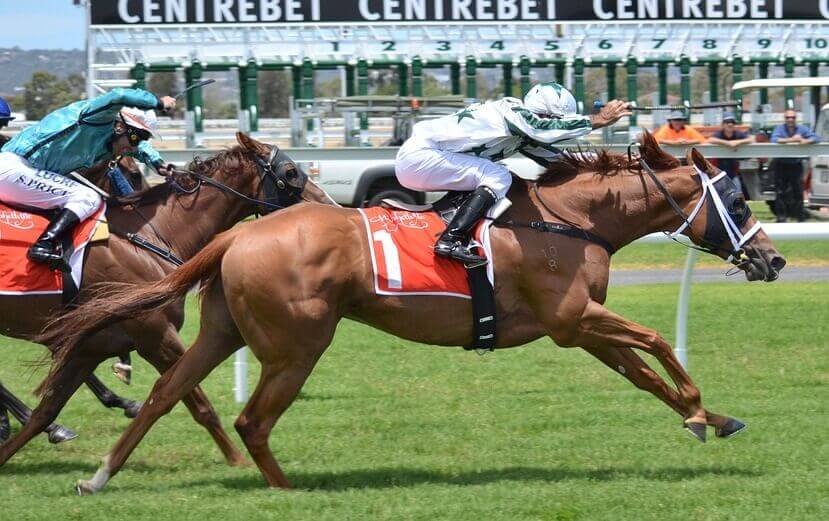
The owners of horses made to run in the Grand National often claim that they love these animals. But since they’re willing to subject them to the abuse and suffering described above, it’s clear that what they truly love is money and glory.
What You Can Do
Fortunately, the public is starting to recognise that the opportunity to wear a fancy hat doesn’t justify the cruelty of horse racing, and many people are now turning their backs on this exploitative spectacle.
Please take a moment to message ITV. Broadcasting the Grand National promotes this abuse. Urge the channel not to air this cruel event:
Help Animals in 2026: Renew Your PETA Membership!
Donate Now