Cheltenham Cruelty – Five Reasons to Rethink the Races
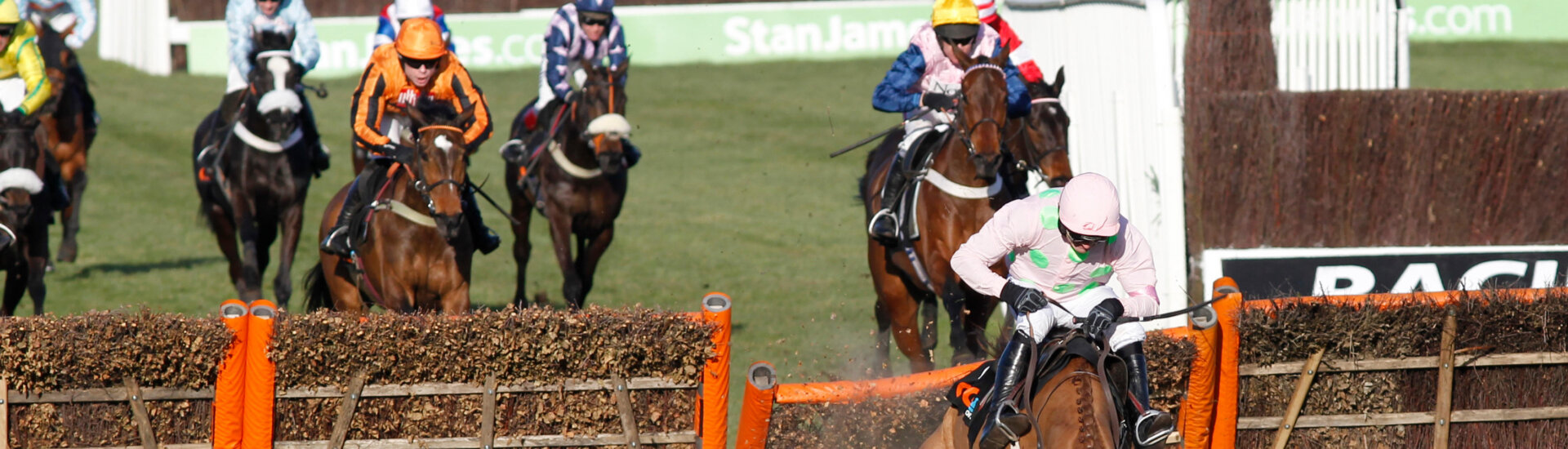
Are you thinking of going to the Cheltenham Festival? There’s a reason horse racing events focus on fashion, wealth, and champagne: all that “glamour” is designed to distract us from the horse suffering that goes on both on and off track – and the Cheltenham Festival is no exception.
Protested since 1830, the Cheltenham Festival is an archaic show of greed and animal exploitation, responsible for 82 horse deaths since 2000, according to Animal Aid’s Race Horse Death Watch
Each animal who has lost their life for a bet was someone, a living feeling individual who deserved better than being whipped while running at breakneck speed so humans could make money.
Here are five reasons to give this grim Gloucestershire gambling event a miss.
Killing Starts Long Before the Race
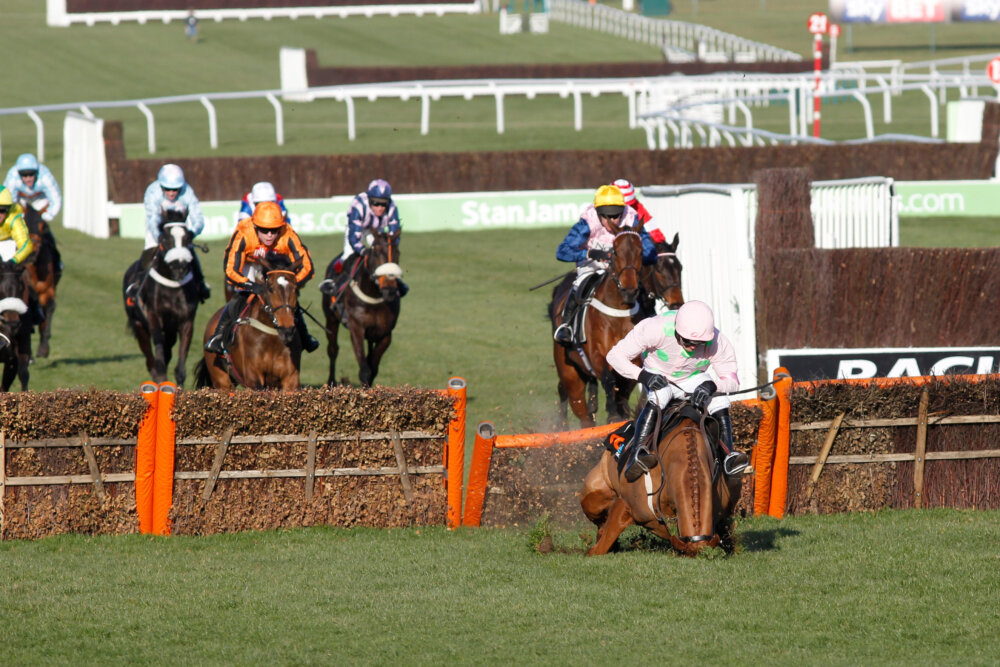
Horse racing is a numbers game. Stables repeatedly breed horses to create the next champion, but it doesn’t always work that way.
An estimated 13,000 foals are born annually into the British and Irish racing industries, but only half go on to race.
Those deemed not fast enough to be “worth” the time and money it takes to win are “wastage” and go on to be neglected, dumped on overburdened rescues and shelters, sold, or simply killed.
Horses Aren’t Fully Formed When They’re Ridden
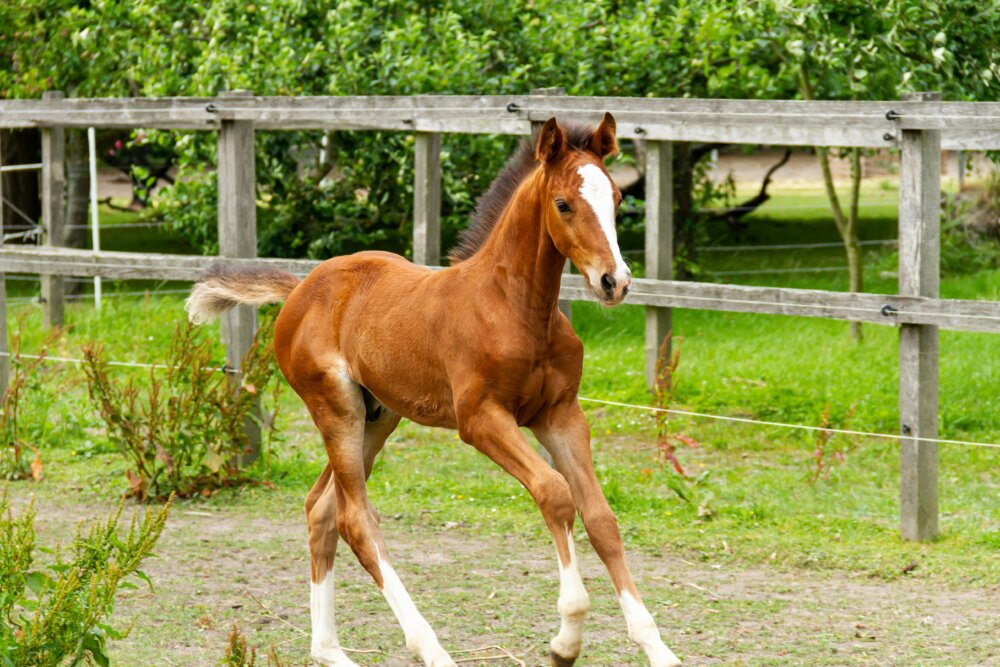
Using any animal for entertainment is wrong, regardless of the animal’s age, but one especially egregious aspect of horse racing is that many horses start their “careers” at just two years old, even though most don’t reach skeletal maturity until around five years old. According to Animal Aid, the majority of horses killed in English slaughterhouses in 2025 were between 0 and 10 years old.
This, combined with desperate jockeys goading horses to run too quickly and other cruel practices, explains why so many horses experience catastrophic injuries caused by falls, such as broken bones, muscle tears, and fractures. Injured horses are often euthanised because they end the animal’s money-making potential.
Horses Are Raced to Death
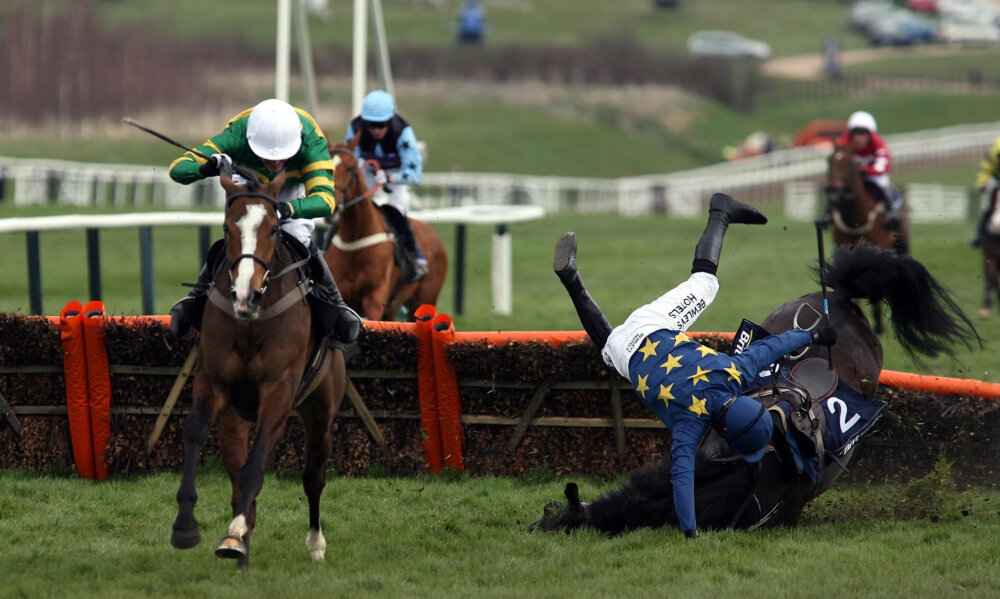
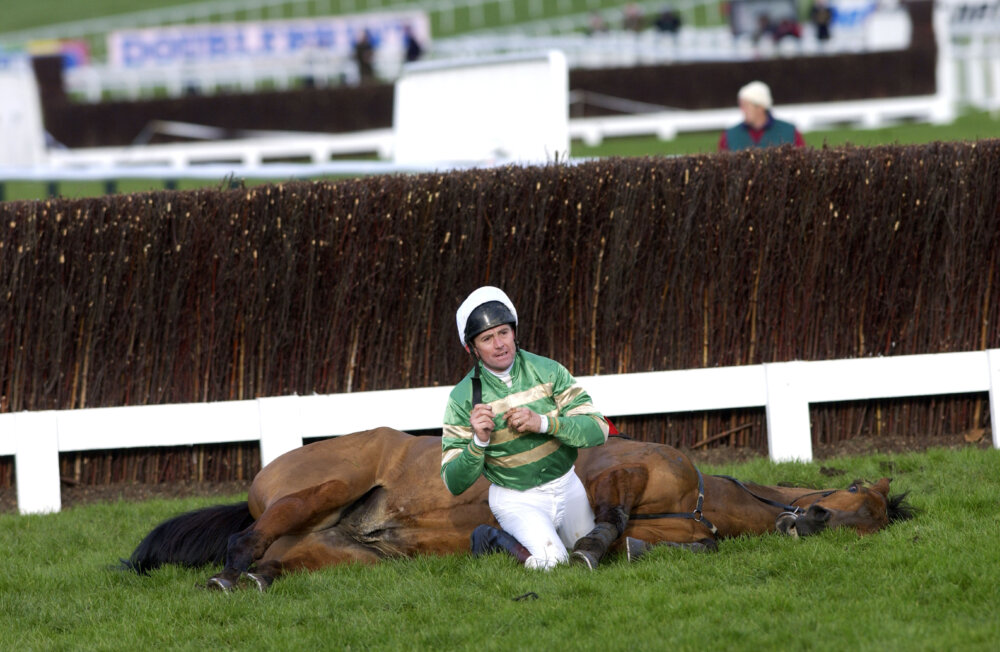
At the 2026 Cheltenham Festival, Hansard suffered an injury and was later euthanised, and HMS Seahorse fell at the last jump, resulting in his death. Two more horses, Envoi Allen and Saint Le Fort, also died at the event. In 2025, Springwell Bay and Corbetts Cross were euthanised after suffering fatal injuries from falls.
In November 2024 alone, three horses died at a single Cheltenham race – Napper Tandy fell and broke their neck, Bangers and Cash collapsed during the race, and Abuffalosoldier collapsed and died after the finish.
Animal Aid reported that around 250 horses died due to horse racing in the UK and Ireland in 2025. The Cheltenham Festival holds the dubious honour of being the site of the largest number of horses killed in a single day’s racing after six horses died there on March 16, 2006.
Drugs, Forced Breeding, Whips: Cheltenham Is Ruthless
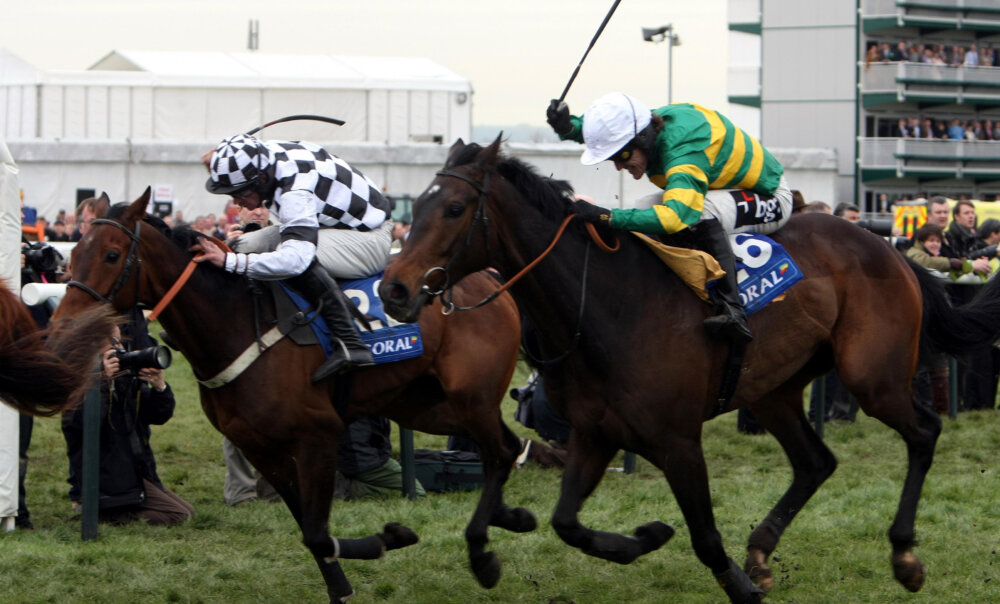
Whipping horses is such an obvious form of animal abuse that it’s mindboggling that it still happens at all, but jockeys at Cheltenham are required to carry whips, and riders may whip a horse seven times in a jump race. According to Animal Aid, there were nearly 650 whip abuses recorded across 515 incidents in 2025, leading to £2,900 total fines – working out at just £4.52 per breach.
Plenty of cruelty also happens off-track. Female horses are forcibly bred using all manner of restraints – including hobbling their legs and painfully tying their lips – to stop them from struggling or kicking their unwanted mount.
Horses are also drugged to enhance their performance. In 2023, Cheltenham third-place-getter Sandor Clegane was disqualified after testing positive for a banned substance, while leading trainer Ed Dunlop was disqualified from racing for one year after Lucidity tested positive for a metabolite of cocaine at Brighton in the same year.
‘Retirement’ Often Means Slaughter
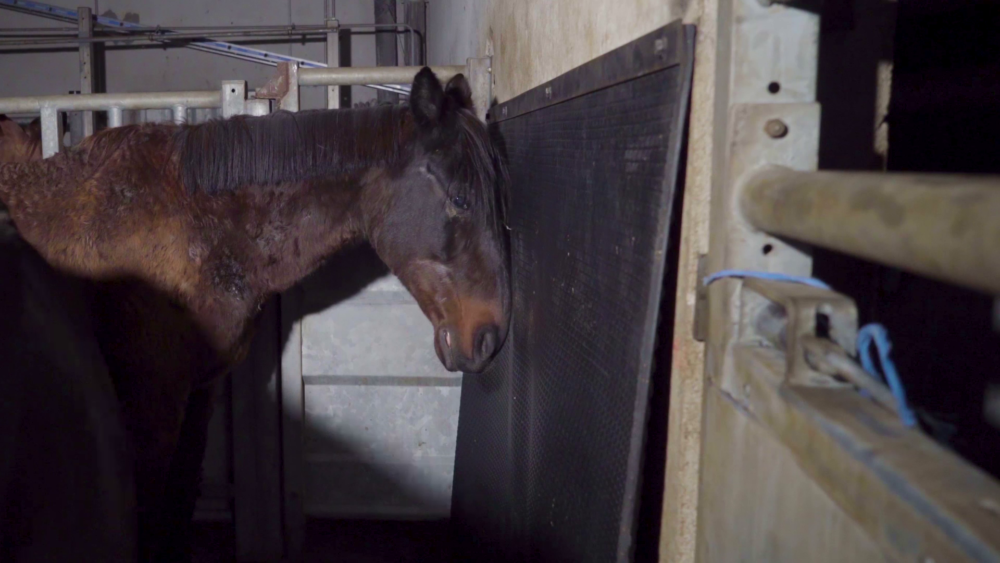
When horses are no longer profitable, they’re divested from their stables. The horseracing industry likes to pretend this means resting in green grass, but many horses used in races end up as meat for humans or companion animals.
One investigation released by PETA documented horses being live exported and violently killed in South Korea. The RTÉ documentary Horses: Making A Killing, filmed at Ireland’s major horse slaughterhouse, revealed that sensitive horses were hit with pipes until they collapsed. Of those killed, 71% were thoroughbreds from the racing industry, and some were killed just days after their last race.
You Can Help Horses
Horses deserve to live free from exploitation. Helping them is as simple as never attending a race and never placing a bet on a horse’s life.
You can also let the sponsors of the Cheltenham Festival know that it’s time for them to cut ties with cruelty.
Help Animals in 2026: Renew Your PETA Membership!
Donate Now