Vegan Shoe Shopping 101: What Those Tiny Symbols Really Mean
Vegan shoes are easier to come by than ever before. When shopping for vegan shoes, it’s easy to be misled by marketing or vague descriptions. Here’s how to decode the symbols and labels printed inside your shoes and make sure your next pair is truly vegan.

What Do the Symbols on Shoes Mean
Most shoes sold in the UK and EU are required to include a material label showing what the shoe is made of. The label in shoes is often printed on the inside, towards the heel or under the tongue. This label usually includes three parts:
- Upper – the outer part of the shoe
- Lining and Sock – the inside of the shoe
- Outer Sole – the bottom of the shoe
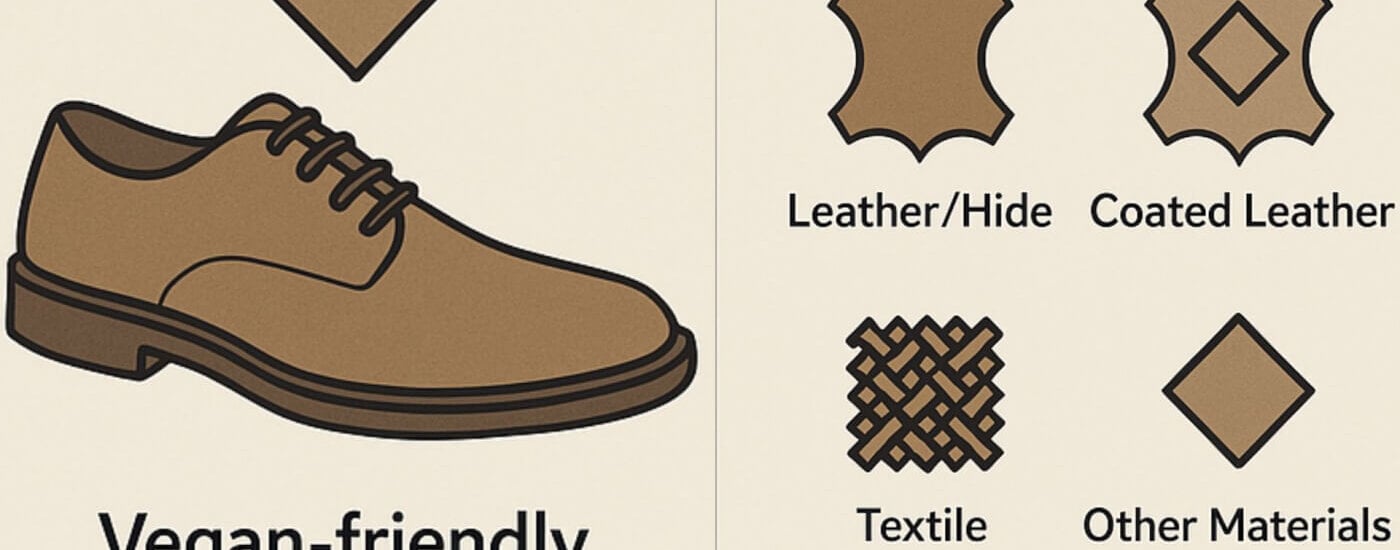
Each part is paired with a symbol that tells you what material it’s made from:
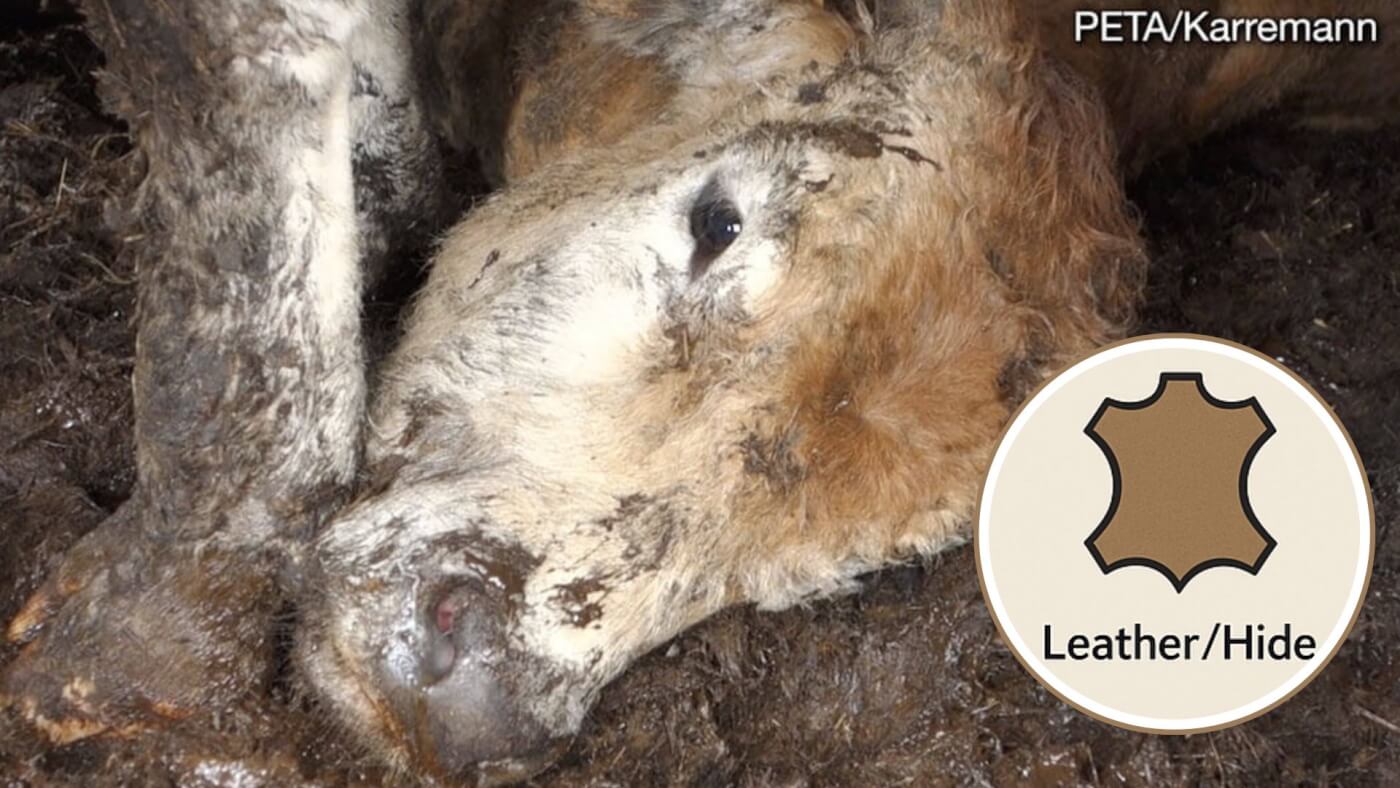
Leather/Hide: This symbol means that a pair of shoes is made from leather. It’s easy to remember, because it looks like the shape of an animal’s skin. Yuck! We don’t want to buy anything labelled with this symbol.
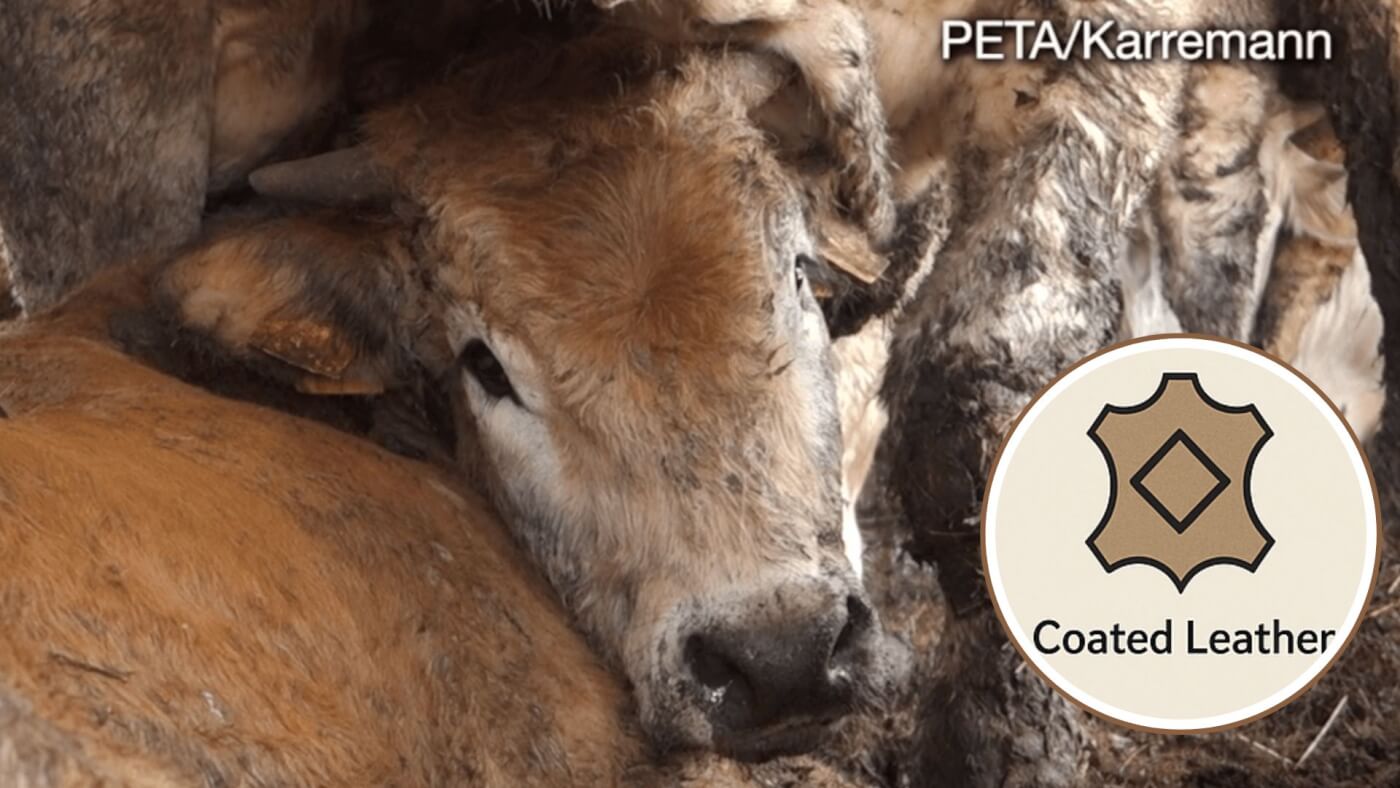
Coated Leather: Another symbol to watch out for looks like the one for leather but with a diamond inside it. It means that the item is made from coated leather, which still comes from an animal. Stay away from shoes labelled with this one, too!
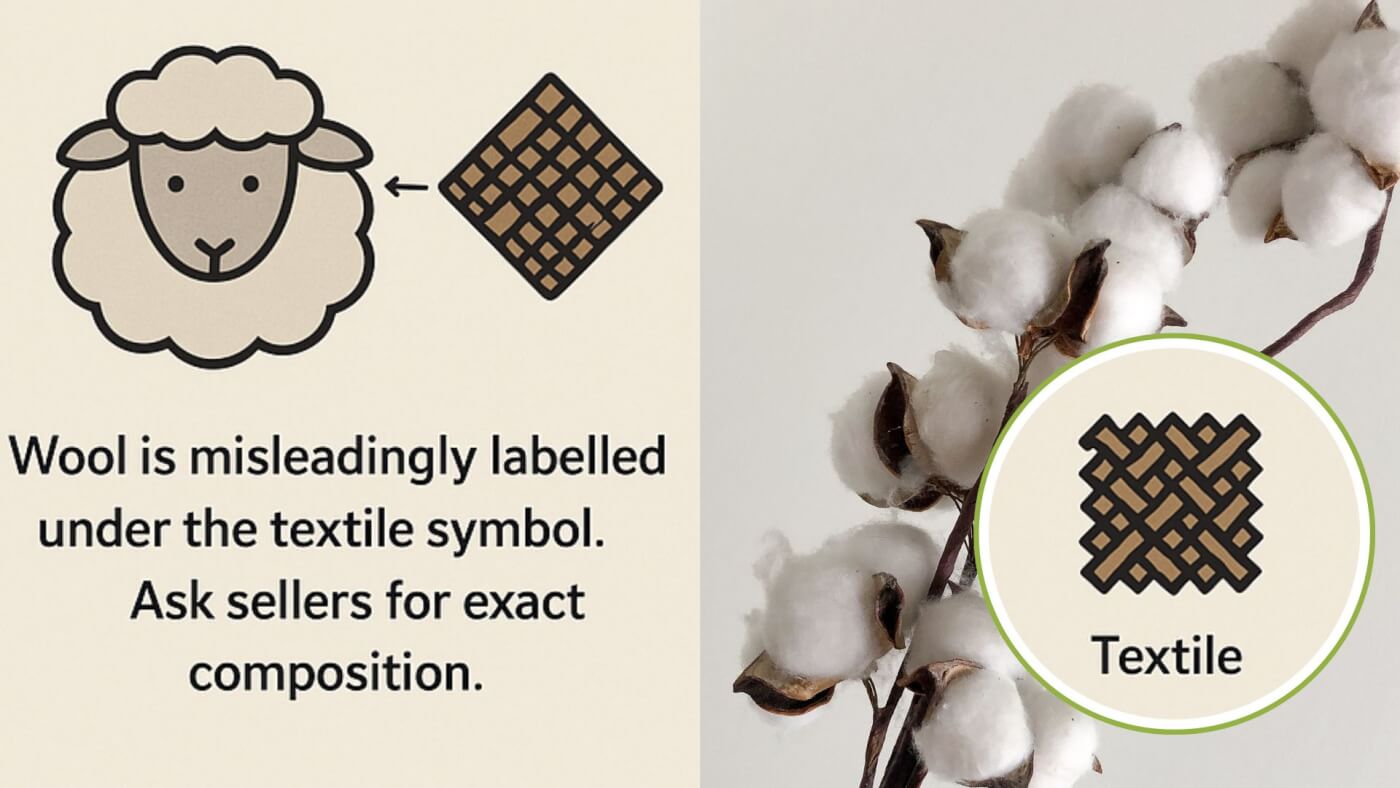
Textile: This textile symbol icon, representing woven fabric, is commonly associated with plant-based or synthetic materials such as cotton, hemp, or polyester.
BE CAREFUL: Wool is currently labelled with a misleading ‘textile’ composition symbol.
Grouping wool under this symbol is misleading, as it obscures the fact that wool production, like leather and sheepskin, involves the exploitation and slaughter of animals. PETA is urging the Secretary of State for Business and Trade, to amend footwear labelling regulations to make clear to consumers that wool, just like leather and sheepskin, is taken from an animal’s body.
Meanwhile, please be sure to ask the seller for the exact composition of the shoe, to be sure it doesn’t contain any wool.
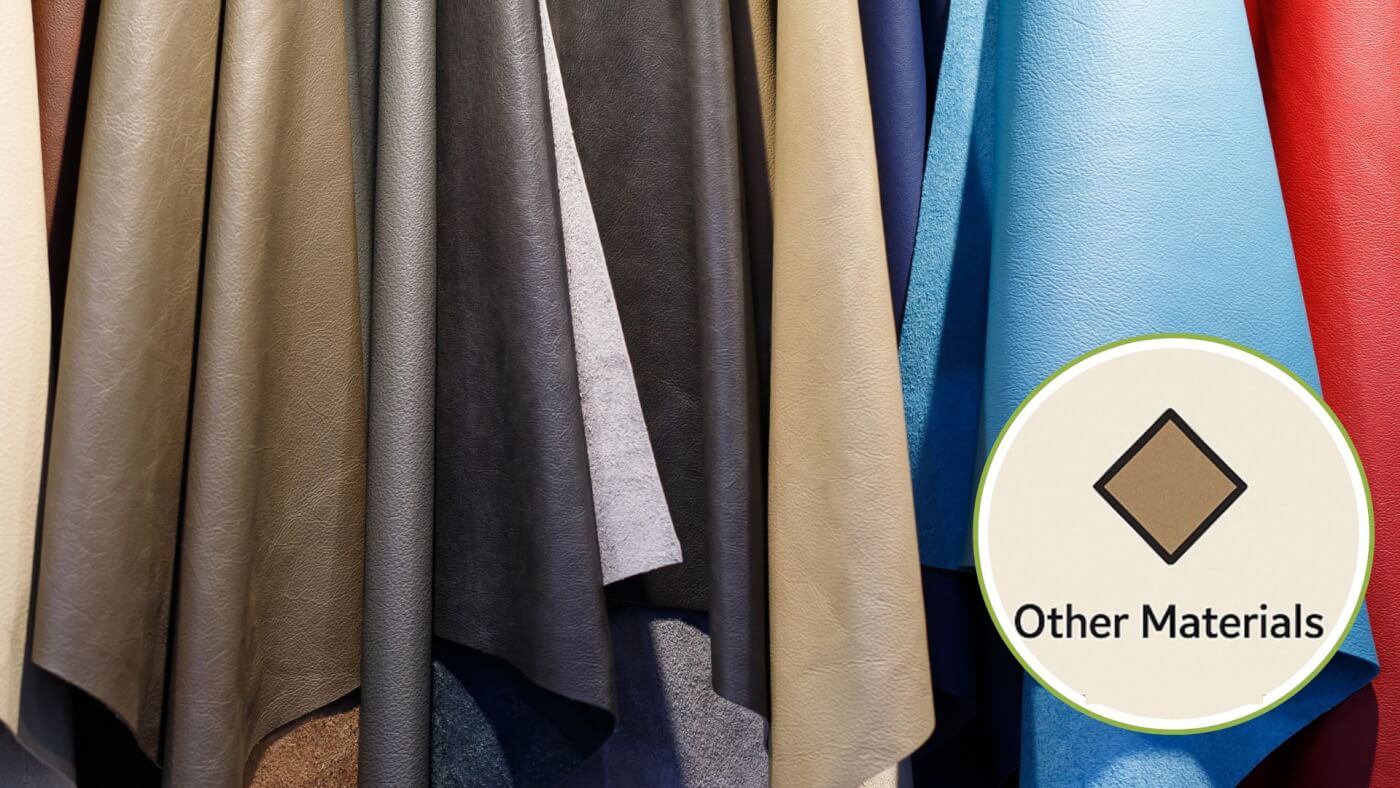
Other Materials: The diamond symbol means that the shoes are made from materials that aren’t leather, coated leather, or textiles – and that includes faux leather, PVC, and rubber. Shoes labelled with this symbol and not the leather or coated leather ones are good to buy, as the diamond represents man-made materials, not animal skins.
Common Animal-Derived Materials Used in Shoes to Avoid:
Leather: Leather is made from the skins of animals including cows, pigs, goats, cats, and dogs. Some skins are considered “exotic” in the fashion industry, such as those taken from kangaroos, ostriches, and alligators, crocodiles, and other reptiles. Around 1 billion animals per year are killed for leather. Many of them endure extreme confinement on factory farms and a long, gruelling journey to the abattoir. In many countries, animals are killed without first being stunned. They’re simply tied up, and their throats are cut with a dull knife. It can take several minutes for them to die. Investigations into the wildlife-skins industry has revealed that nails were driven into the heads of live snakes and lizards were decapitated without being stunned.
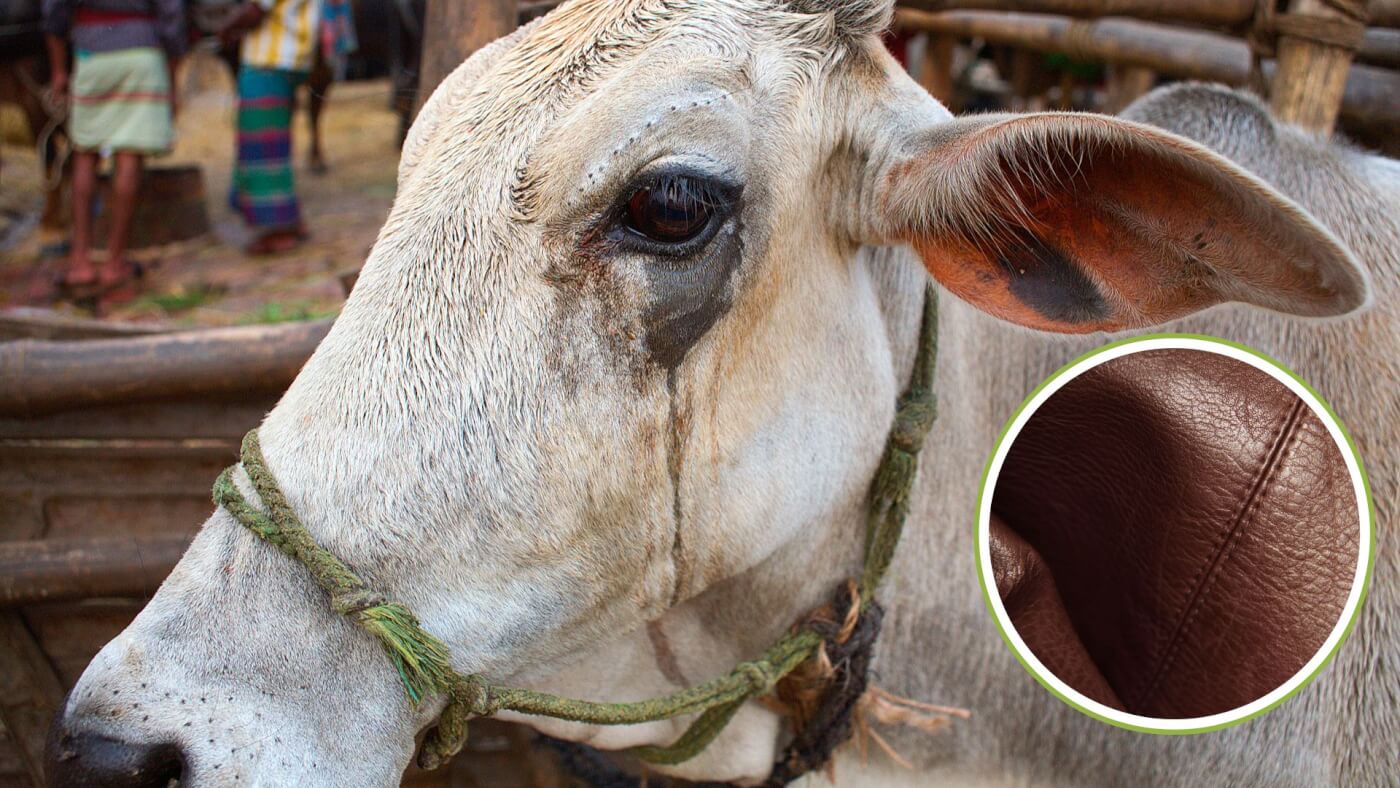
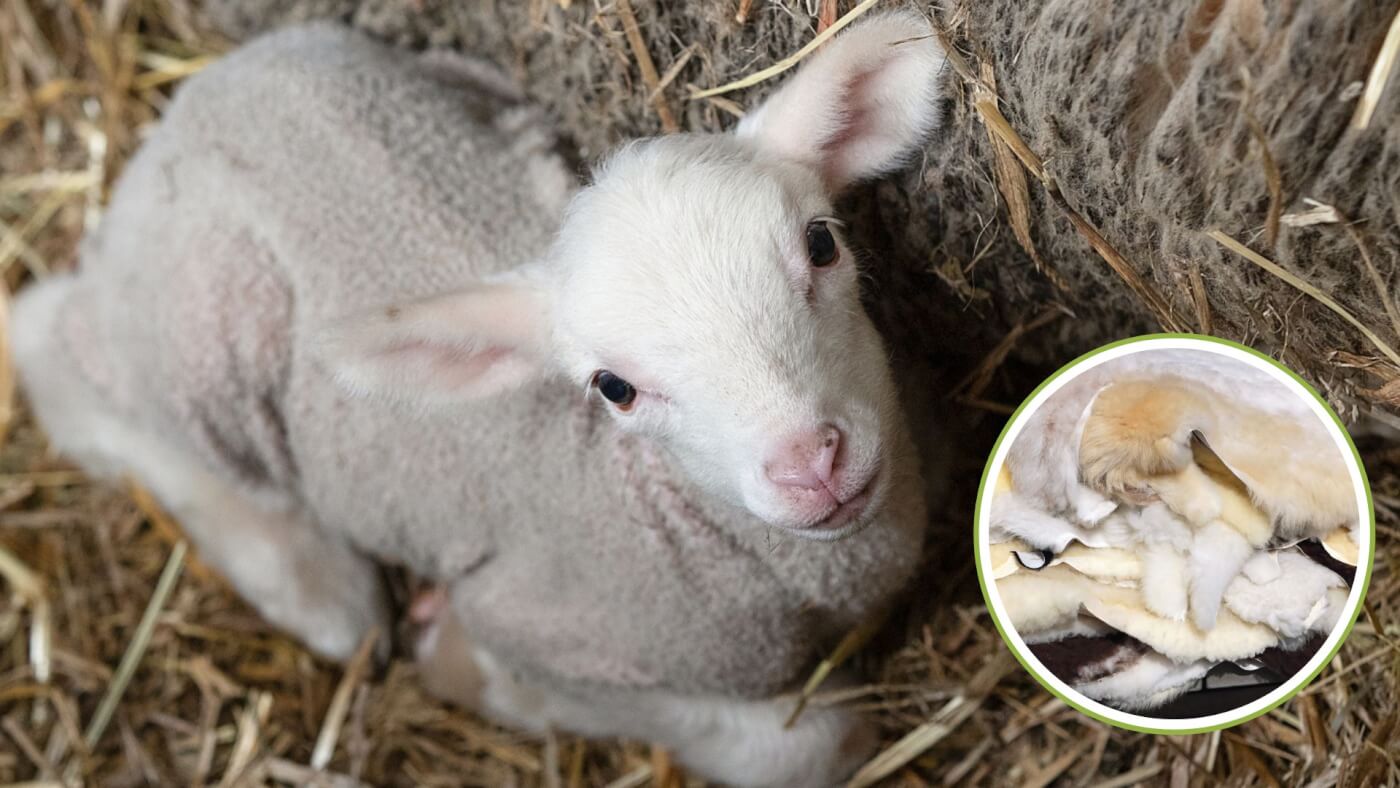
Shearling or Sheepskin: Shearling is a lamb’s or young sheep’s skin with the fleece still attached. It’s often used as a lining for boots and as the main material for slippers. Every year, millions of sheep are castrated and parts of their tails are cut off before they’re finally slaughtered for their skin.
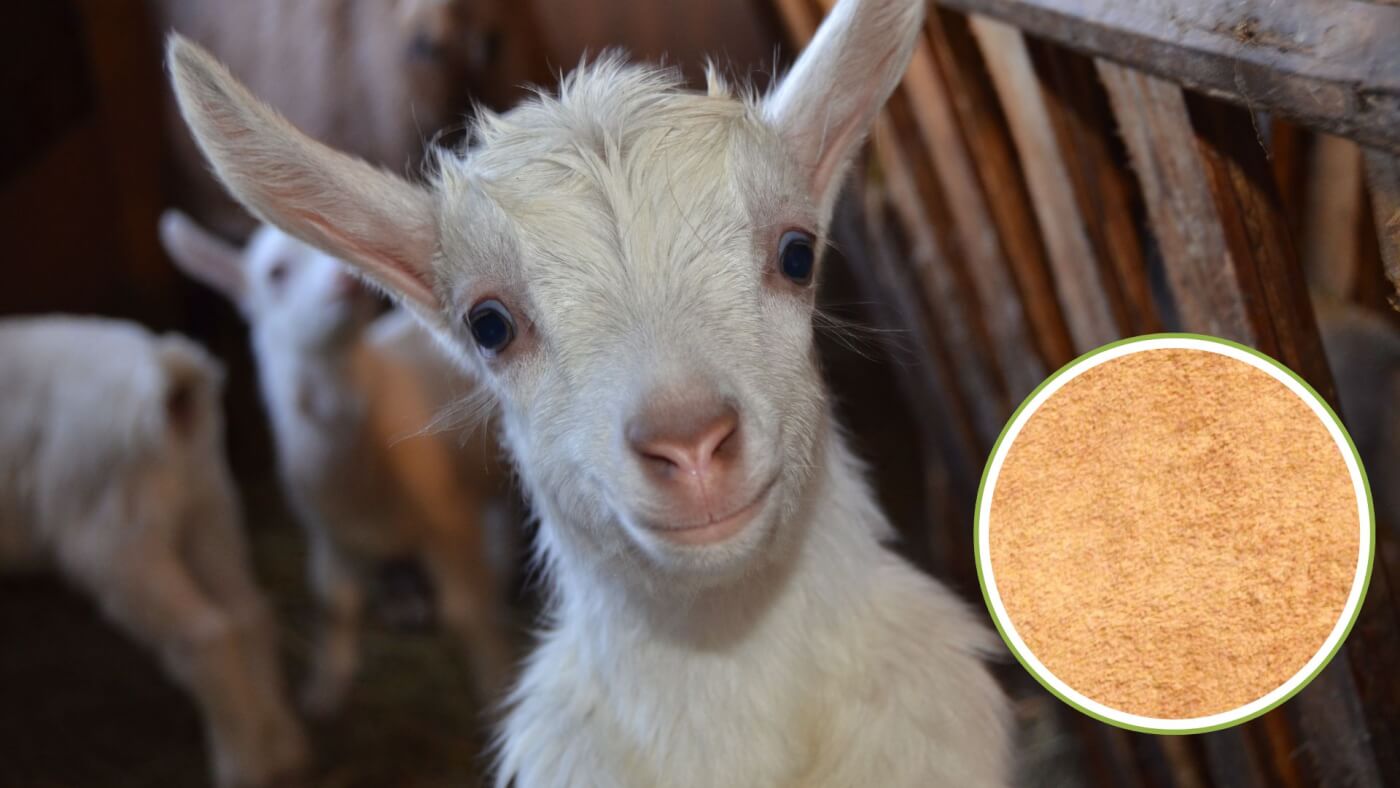
Suede: Suede is a form of leather with a napped finish made of skin torn from the abdomens of slaughtered lambs, goat kids, pigs, calves, or deer.
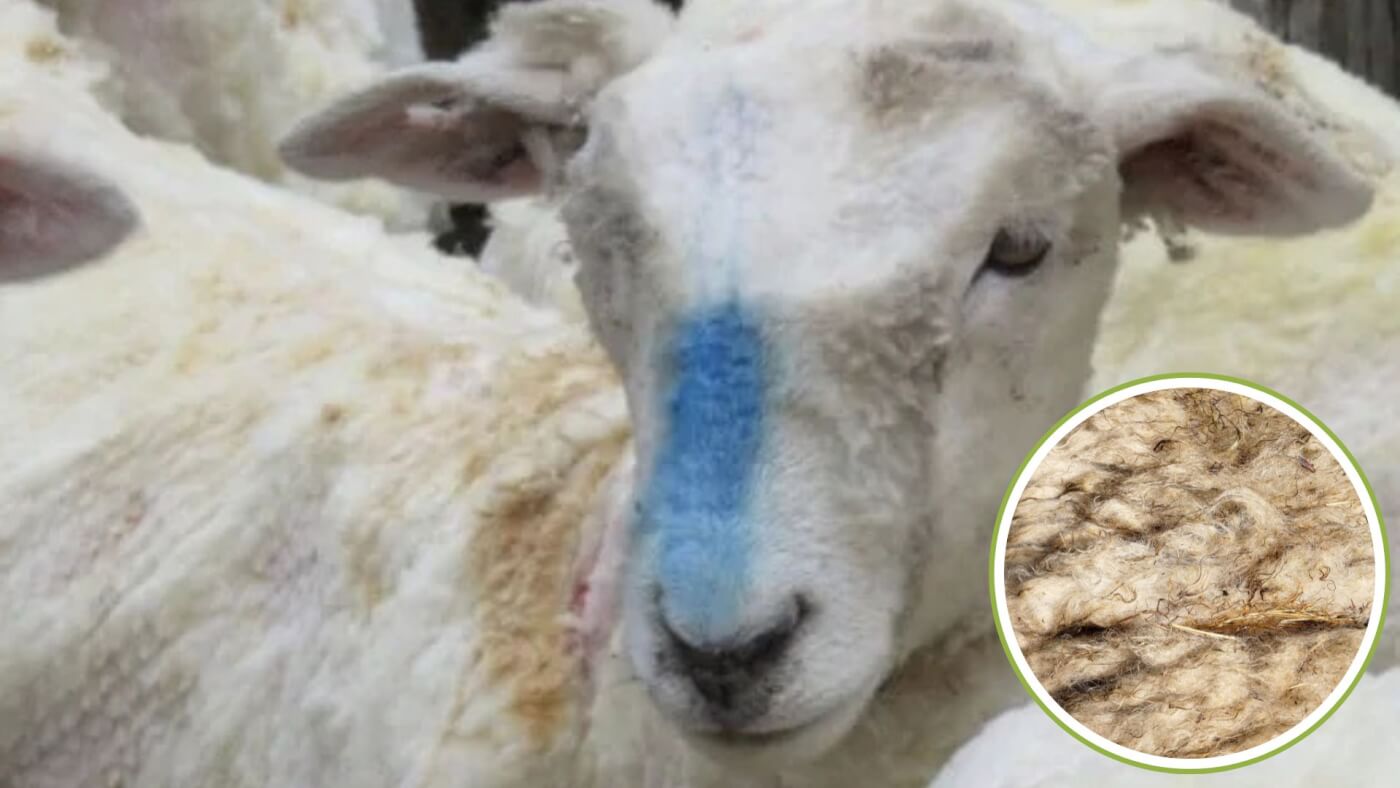
Wool: There are good reasons for kind consumers to steer clear of wool. PETA entities’ exposés of more than 150 wool-industry operations on four continents have exposed extreme and rampant abuse of sheep, who have complex emotions, grow depressed if isolated from their flock, and can even detect anxiety in another sheep by observing their face. A recent PETA Asia-Pacific investigation into farms with the ZQ certification, which brands itself as “ethical” and “humane”, revealed shearers kicking, beating, and stomping on sheep; sheep left with gaping wounds that were stitched up without painkillers; and a farmer slitting the throat of a struggling, conscious sheep before dumping her body into a rubbish pit.
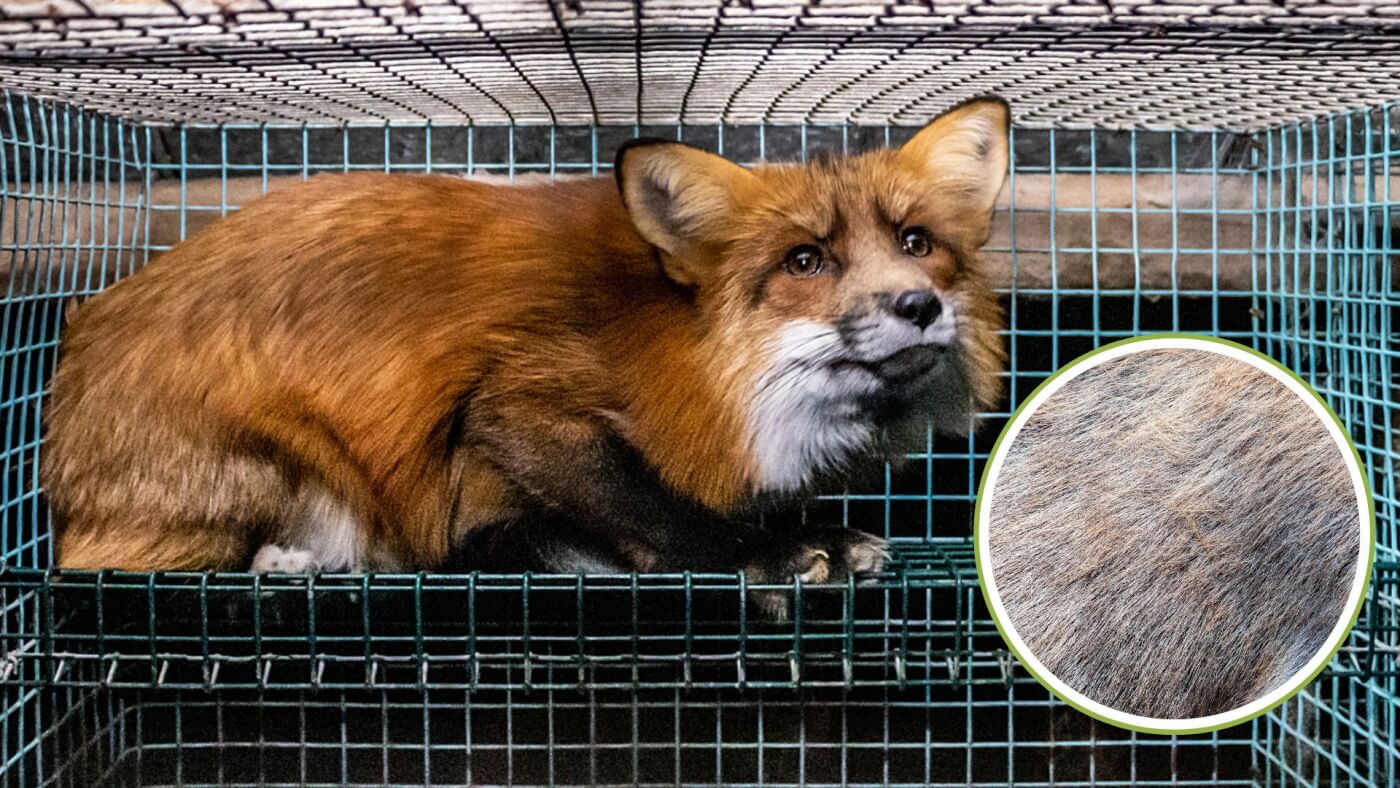
Fur: Some callous and out-of-touch brands are using fur in their shoes. Fur is an animal’s coat that is still attached to his or her skin. Animals killed for their fur include bears, beavers, cats, chinchillas, dogs, foxes, minks, rabbits, raccoons, and seals.
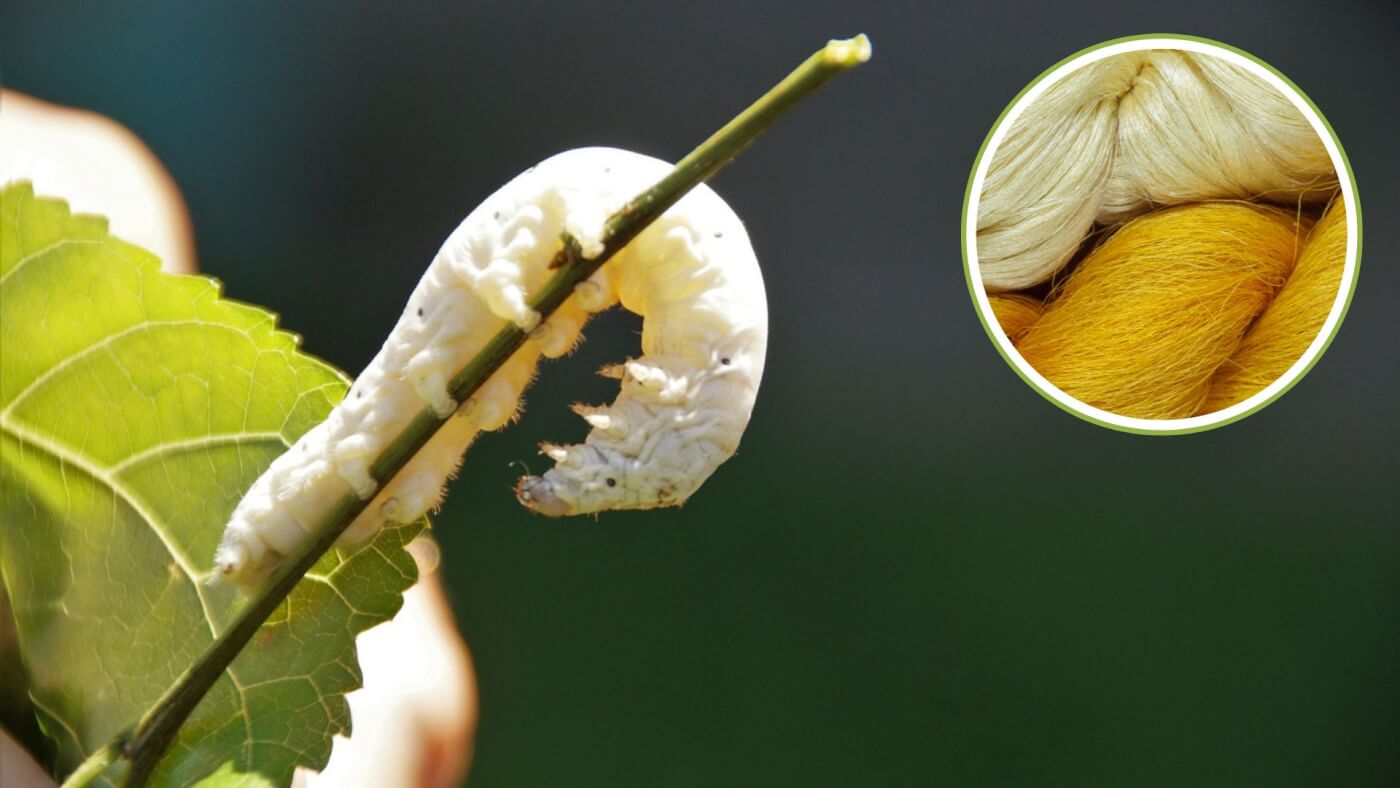
Silk: Sometimes used in “luxury” shoes, silk is the fibre that silkworms weave to make their cocoons. Silk is secreted by silkworms and serves as protection during their pupal stage. Most of these insects don’t live past this stage, as they are boiled and gassed alive inside their cocoons to obtain their silk.
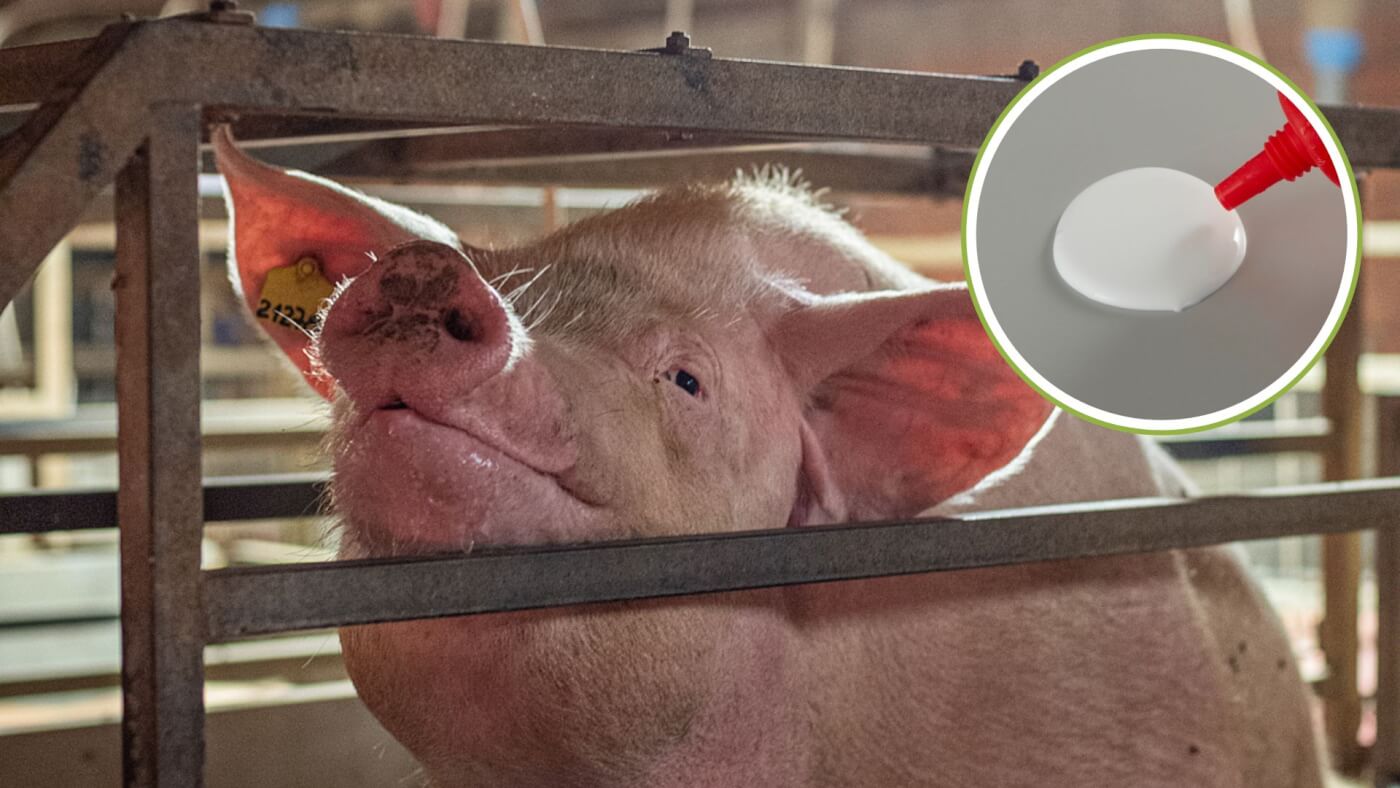
Glues: The materials of shoes are put together using strong glues. In some brands, the glue is derived from animal bones (though this is becoming rare).
Dyes: Most shoes are made with synthetic dyes, but some brands may color their shoes with inks and dyes derived from animals.
How to Choose Vegan Shoes
Here’s how to shop smart and choose stylish shoes that don’t hurt animals:
1. Check the label
Use our guide above when shopping for your shoes.
2. Read the product description
Online or in-store, the product description can reveal a lot. Look for terms like “synthetic,” “faux leather,” or “man-made materials”.
3. If in doubt, contact customer service
When the label or description isn’t clear, don’t hesitate to reach out. A quick email or chat with customer service can confirm whether a shoe is 100% vegan.
4. Look for PETA-Approved “Vegan” certification
The easiest way to shop confidently is to look for the “PETA-Approved Vegan” logo. All companies that use the logo must sign PETA’s statement of assurance verifying that their product is vegan.
5. Shop from vegan brands
Support brands that are fully committed to cruelty-free fashion. Companies like Will’s Vegan Store, NAE Vegan Shoes, and Bhava specialise in stylish, ethical footwear – so you never have to second-guess your purchase.

Choose Vegan Fashion
Learn more about shopping vegan – check out these guides to be sure your wardrobe is truly stylish and free from cruelty:
Help Animals in 2026: Renew Your PETA Membership!
Donate Now