Pigs on the Beach Bahamas and Other Cruel Tourist Traps to Avoid
Swimming with pigs in the Bahamas, riding camels in Egypt, riding donkeys in Greece: Holidaymakers are bombarded with activities to book while on holiday, but don’t be duped, these experiences perpetuate animal suffering.
Here are six animal excursions to avoid when travelling – and what you should do instead.
Swimming With Pigs
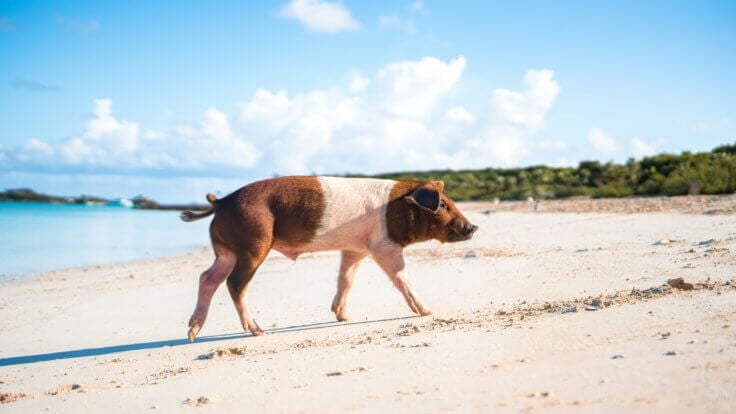
Don’t believe the influencer hype. ‘Pig Beach’ in Exuma, the Bahamas, is cruel.
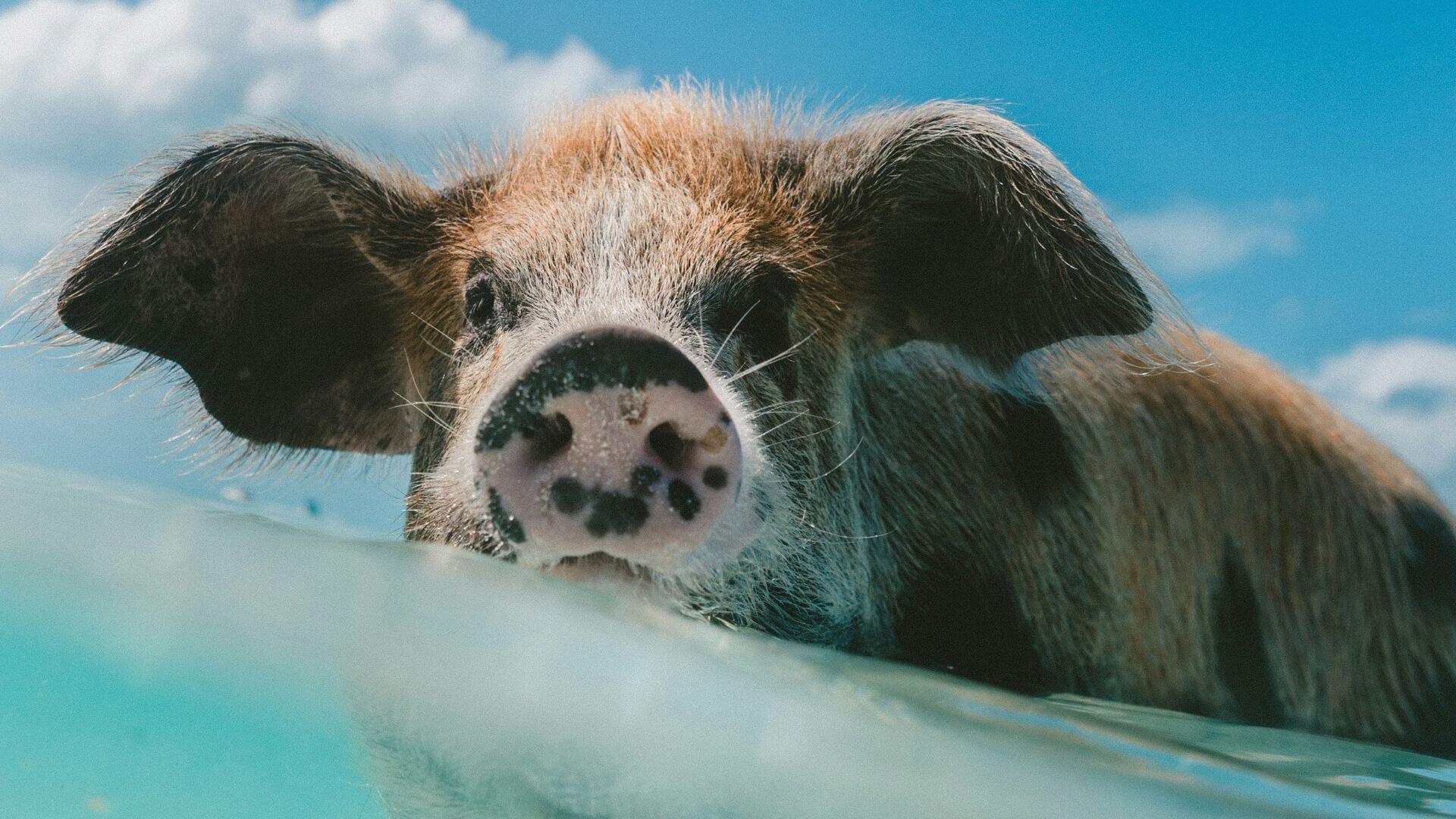
- Starving and sunburnt – No one really knows how these pigs came to be on the island (they are native to Europe, Asia, and North Africa – not the Americas), but, owing to a dependence on humans, the pigs rarely exhibit natural behaviours, like foraging, and are at the mercy of tourists, an unreliable food source.
- With limited shade and near constant sun, the delicate pink skin of these pigs gets severely burned and painful. Often, piglets are peppered with scabs and sores, and some suffer from untreated skin cancers.
- Deadly environment – in 2017, more than half a dozen pigs were found dead and floating in the sea. According to the Bahamian Ministry of Agriculture, the pigs died from ingesting sand – yet more proof of the unsuitability of the environment they live in, and how much they rely on tourists for food. There have also been reports that people have fed the pigs alcohol and junk food.
- It’s risky – The Exuma pigs are large and wild. Tourists have reported contracting roundworm or spending their holidays on antibiotics after being bitten by the pigs. Plus, where there’s pigs, there’s poo, so if clean water is your thing, steer clear!
Camel and Horse Rides
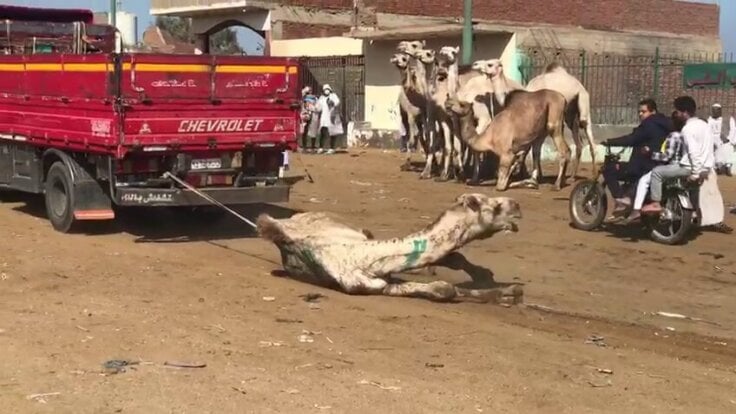
Ads for some adventures in Africa and Australia often push camel and horse rides, but these gentle giants aren’t taxis.
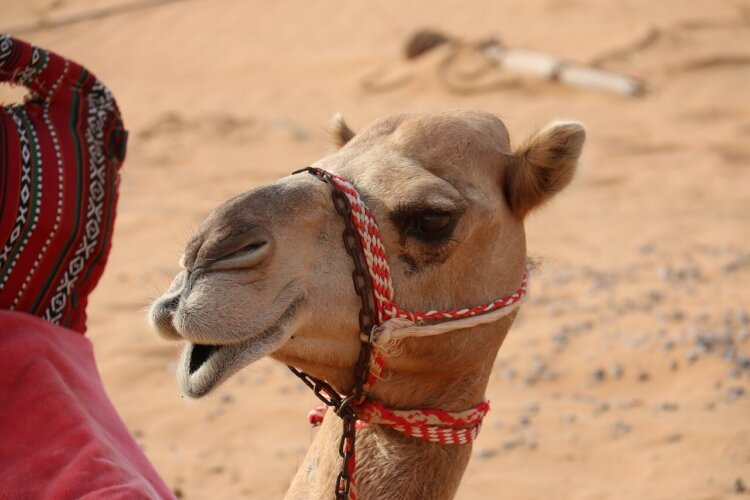
- Whipped and beaten – The camels and horses forced to carry tourists at the Pyramids of Egypt, Morocco, Jordan, the Australian outback, and elsewhere, are often hit to force them to stumble onward, even on scorching days, even when they’re tired or injured.
- Tossed like garbage – A PETA Asia exposé uncovered a hidden pit where animals used for rides were dumped. After a miserable life of hunger, thirst, forced labour and beatings, the camels and equines used for rides in Egypt are disposed of in this mass grave and left to die.
Elephant Riding and Bathing
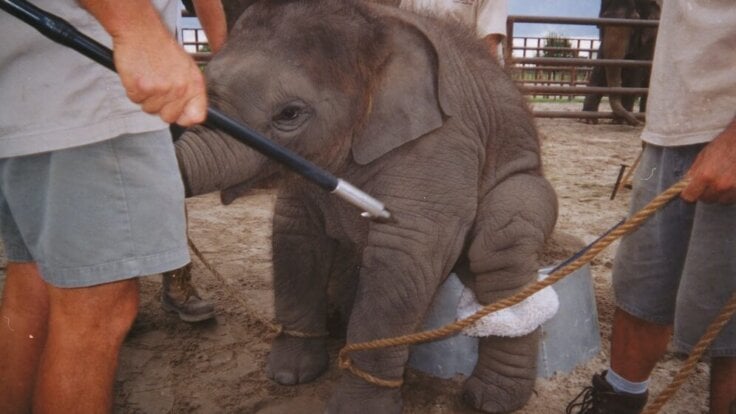
Have you ever wondered how a wild animal becomes ‘tame’ enough to tolerate wholly foreign activities, like painting, being bathed by humans, and giving tourists rides?
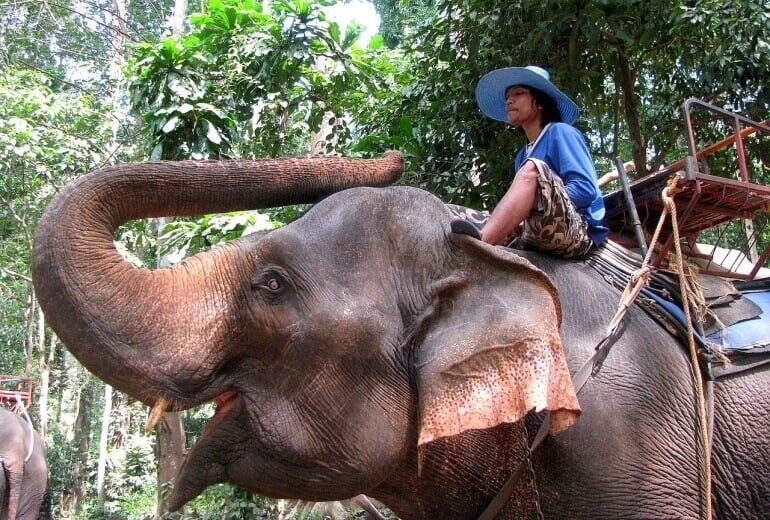
- ‘Broken’ with bullhooks – Elephants are wild animals who would normally avoid human contact. They don’t willingly give rides, and don’t need us to wash them. To force them to comply, elephants are often taken from their mothers as babies and subject to violent conditioning: tied down and beaten with bullhooks.
- Confined for decades – elephants used for rides and other exploitative acts are frequently chained in place with metal bindings that cut into their legs. Elephants are social animals, but at tourist sites, they are often forced to stand in the same small area for decades, denied the companionship with their family that they need and deserve.
Dolphin Prisons
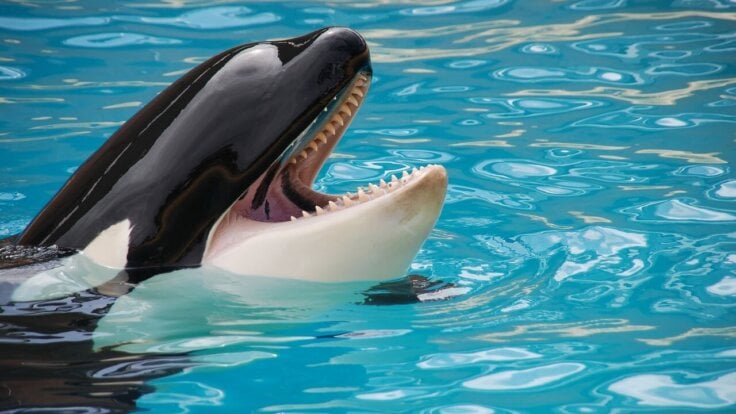
Marine mammals are among the most intelligent, social, and nomadic animals on Earth, but at abusement parks like SeaWorld and Loro Parque, they’re trapped and tormented.
- Trapped in Tanks – in nature, orcas and dolphins swim vast distances, dive deeply, and jump for joy. But, at marine parks, they’re confined to tiny, boring concrete tanks away from their pods and forced to do repetitive tricks again and again. They spend their whole lives swimming in small circles and never see the ocean.
- Bred to Die – More than 40 orcas and over 500 other dolphins and whales have died at SeaWorld’s parks, either while still young, or after decades of abuse. Bottle-nose dolphins are constantly replaced with new animals, often by forced on-site breeding, including via forced manual impregnation.

Donkey Rides
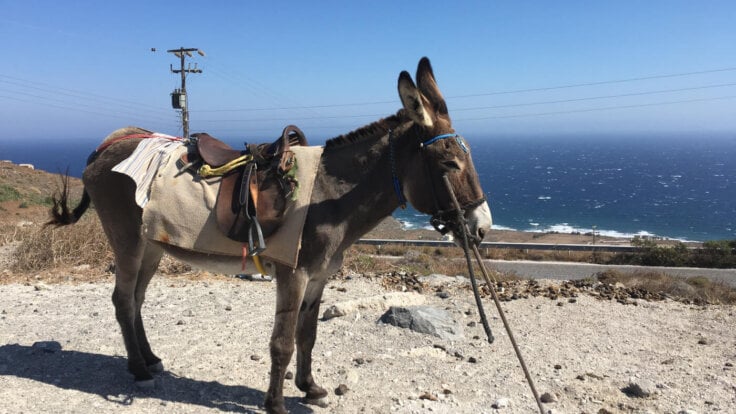
You’ll find donkey rides in a wide range of countries, including Greece, Spain, Egypt, and the UK. These rides are marketed to tourists and children – and many have no idea what cruelty they’re supporting by choosing to partake.
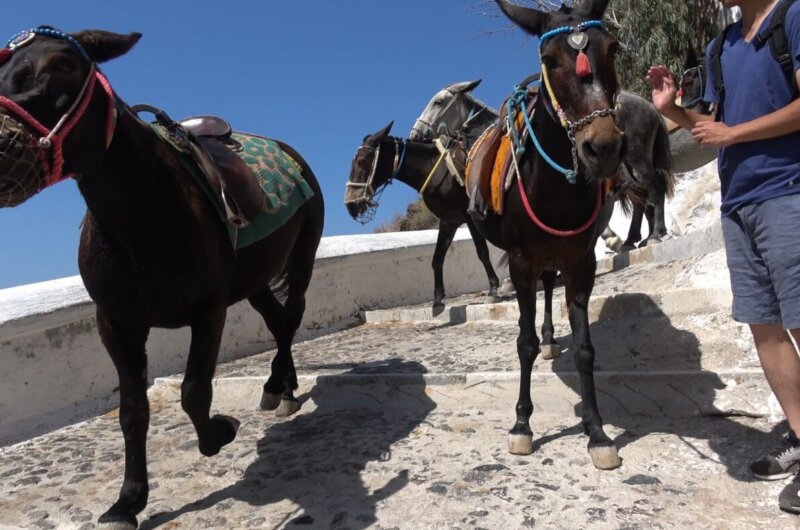
- Relentless exploitation – Donkeys used for rides in tourist spots like Santorini are forced to carry tourists up and down steep steps all day, even in the blistering summer heat. During their ‘working’ day, donkeys are frequently denied food, water and adequate rest, and their wounds often go untreated.
- Laws? Lies – After PETA and our international entities blew the whistle on donkey and mule rides on Santorini, the Greek government banned tourists weighing more than 100 kilograms from riding the animals. However, subsequent exposés prove that this, and other animal protection laws, are neither observed nor enforced.
Bull Runs and Bullfights
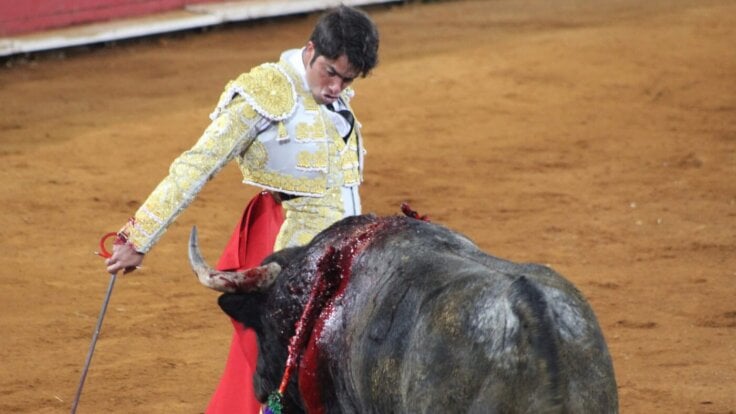
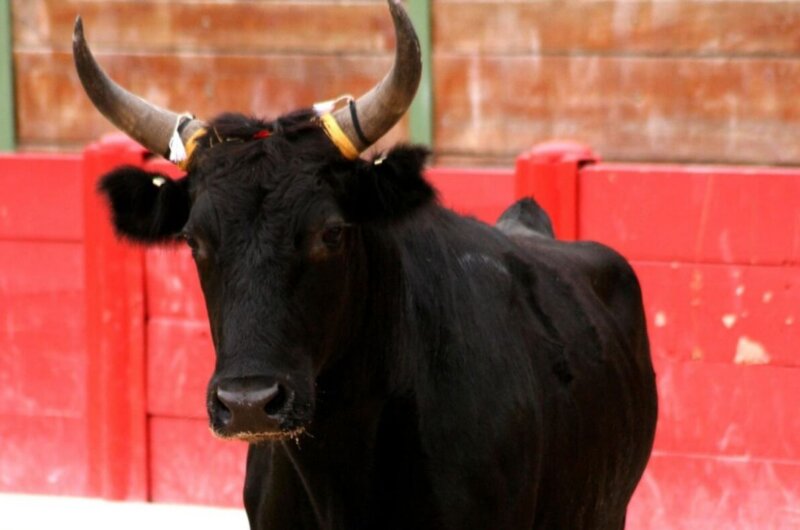
Forcing gentle bulls to run, terrified, through narrow, cobbled streets to corral them into a bullring to be killed is torture, not tourism.
- Bulls chased to their deaths – During bull runs, like the one held in Pamplona, bulls are forced to run with often-drunk shouting humans who sometimes hit them. Unlike humans, the bulls aren’t running for the thrill – they’re being funnelled into a bullring, where they will later be tormented and stabbed to death.
- Bulls mocked and stabbed – Bulls are sensitive and clever, but in bullfights, they’re forced to duck and weave for their lives to the point of exhaustion as men on horses first stab them with banderillos, before a matador (literally: murderer) stabs them, severs their spinal cord, and chops off their tail and ears. Many bulls are dragged from the ring, dying, but still conscious.
Compassion, The Chicest Travel Accessory
Animals are here with us, not for us. Wherever you go, pack your compassion and avoid tourist traps that involve animals.
Snorkelling, birdwatching, visiting national parks – there are loads of ways to enjoy observing animals, from a distance, being themselves in their natural homes.
Help animals by signing the above actions, booking cruelty-free travel, and sharing what you’ve learned with others!
Help Animals in 2026: Renew Your PETA Membership!
Donate Now