
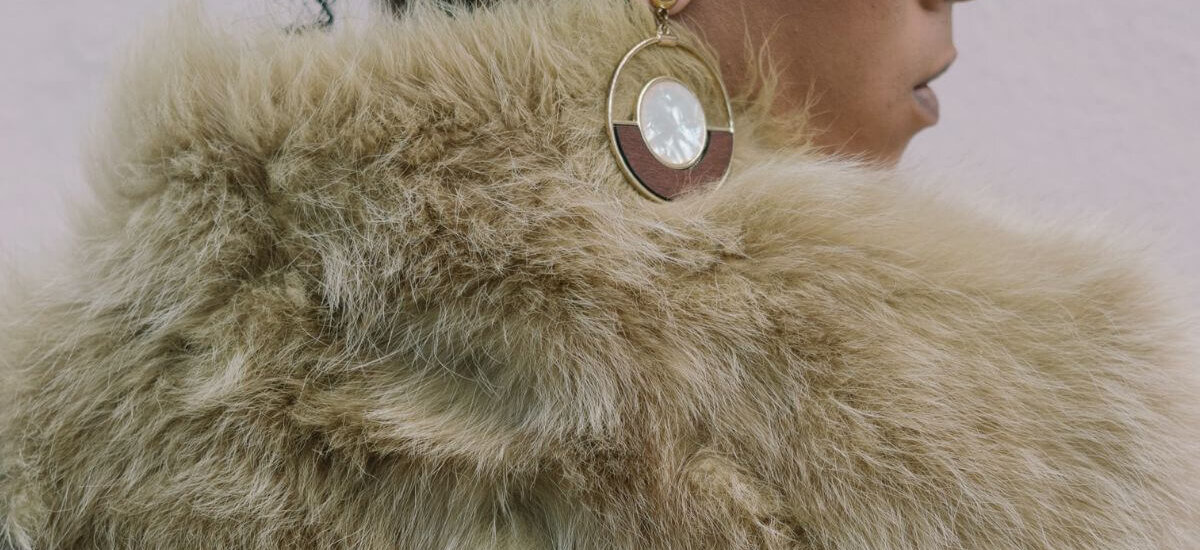
How to Tell if Your Faux Fur Coat is Actually Real Fur
These days, faux and bio (animal- and plastic-free) furs are so like the real deal (minus the cruelty) that identifying pelts taken from an animal requires a keen eye. Labels can sometimes mislead, with even high-street retailers having been caught selling animal pelts as faux. So, how do you tell if fur is real or faux?
Whether you’re buying new, shopping for vintage items, or have been gifted a garment or trinket that you suspect may be made from real animal fur, it pays to scrutinise any garments.
Signs of Real Fur
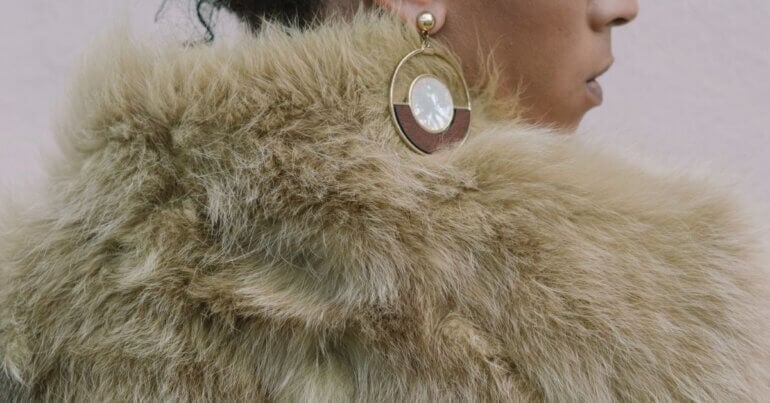
Begin by identifying texture and appearance differences. Unless they’ve been sheared or cut, real animal hairs taper to a fine point, while faux fur typically has blunt ends where manufacturers cut it. If the points of the fibres narrow, put it back. Faux fur hairs also tend to be more uniform, while animal hairs vary in length.
Next, inspect the backing material. Animal fur is the skin of a dead animal, so the root of the hair will be attached to skin, whereas faux fur will be attached to a textile.
Like skin, feathers, and fleece, fur costs an unforgivable amount – the lives of animals. But don’t assume that cheap fur must be faux fur. Fur factory farms are low-welfare, and therefore low-cost, and small animal fur items, like decorative pom poms, won’t carry the high price tag you might expect from real fur.
Testing Methods to Identify Real Fur
If you already own the garment, the burn test can confirm if the fur is real. Gently pluck a few strands of fur with tweezers and carefully light them with a match or lighter. Burning animal hair smells like burning human hair. Synthetic fur (like acrylic or polyester) melts – and smells like melting plastic. Please be careful if conducting this test. Don’t inhale too much of the fumes, and ensure you maintain control of the fire.
The pin test is another method for determining whether fur is faux or real. Animal skin is tougher than textiles, meaning a pin poked into it will offer more resistance than a pin passed through the textile backing of faux fur. If the pin is difficult to push through the hair’s backing, it’s likely someone’s skin, and you should avoid it.
You can also channel your inner Sherlock Holmes and inspect the fur at a microscopic level. Real fur will show cells; synthetic fur won’t. Some animal charities offer free testing, should you wish to send them a sample.
Ethical Concerns and Animal Welfare
While fur operations are closing and being outlawed all the time, most of the fur sold today still comes from factory farms, where rows of cages of animals are stacked on top of each other.
Numerous investigations of fur factory farms around the world have documented animals with eye infections, missing limbs, and psychological damage. Every animal on a fur factory farm is someone, not something, and wants to be free to live life on their own terms.
Other animals, like wolves and the bears hunted in Canada to make caps worn by the King’s Guard, are baited, trapped, and slaughtered.
The Fashion World Turns Against Fur

Happily, real fur is as unpopular as ever. In 2025, Condé Nast, publisher of Vogue, became the latest outlet to reject fur, and Hearst, published of Harper’s Bazaar, soon followed suit.
Its devastating impact on the environment is partly what’s pushing real fur out of favour, and inspiring faux fur producers to move beyond synthetics. French faux-fur artisans Ecopel have created the 100% bio-based material Flur, while BioFluff’s Savian material is entirely plant-based, and favoured by high-end designers such as Ganni and Stella McCartney.
Understanding Different Types of Fur

Many species are used and abused for their pelts, including raccoons, mink, foxes, coyotes, rabbits, chinchillas, beavers, bears, and seals. Each fur feels and looks slightly different: Mink fur is typically soft and glossy, fox fur is fluffy, and rabbit fur is lightweight and sometimes rougher.
Some retailers sell the fur of domestic dogs and cats, taken from stray animals, or beloved companions, stolen from the streets. Whenever you buy real fur, you have no way to know who was killed for it. The only way to ensure your fur is cruelty-free is to go faux.
Of course, not all fur is new. Vintage fur is often found in antique and thrift stores, but it’s important to remember that wearing real animal fur normalises violence and sends a message that cruelty to animals is okay. Just because fur is vintage doesn’t mean it’s any less cruel than fur from an animal who was skinned yesterday.
What to Do If You Discover Real Fur
If you spot real fur in a store, speak up! Remind retailers how cruel fur is and ask them to stop selling the products of pain and death.
Inherited or bought real fur before you knew better? Don’t worry. You can donate your fur to PETA, and we’ll send it to someone in need who has no other choice.
One day, the only fur available will be made from plants. Until then, you can help animals by never buying real fur, sharing this information with friends and family, and signing one of PETA’s actions against fur.
You can also download a free Empathy Kit to learn more about embracing a cruelty-free life!
Want to take action for animals used for fur? Find out how here:
Want to buy a new vegan leather coat? Here’s how to tell if it’s really animal-free:
How to Spot Vegan Leather
Help Animals in 2026: Renew Your PETA Membership!
Donate Now