Thinking of Buying a ‘Toy Dog’? 9 Reasons to Reconsider
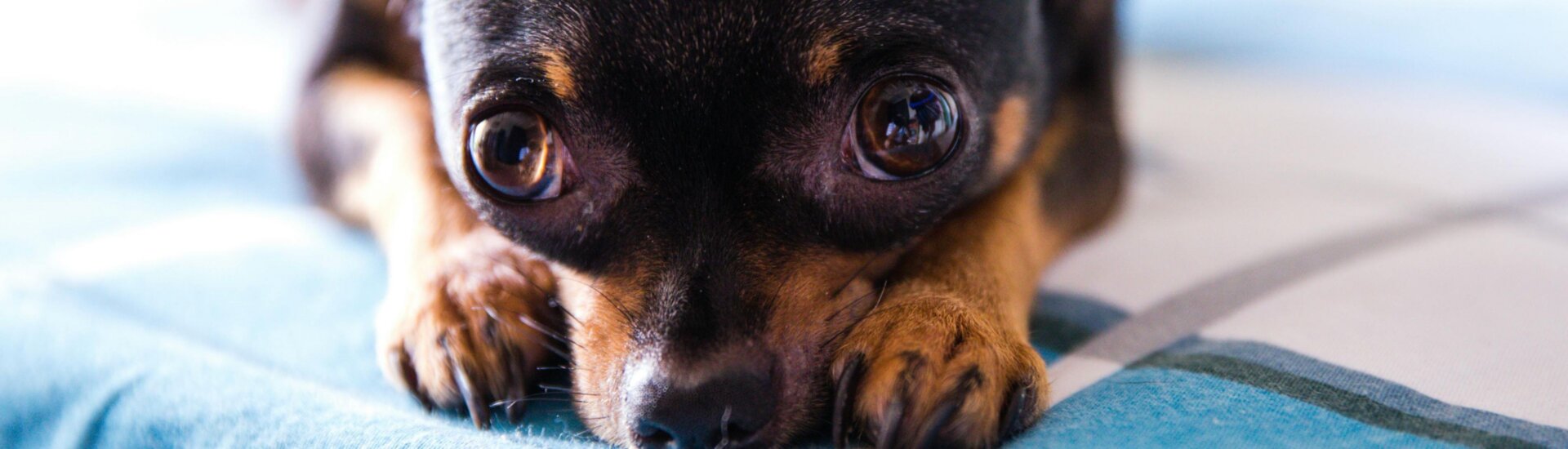
‘Toy dog’ refers to small dog breeds like poodles, chihuahuas, and shih tzus. Breeding animals as fashion accessories has had a severe impact on both their physical and mental health.
What Is a Toy Dog?
A ‘toy dog’ isn’t a specific breed – rather, a grouping of small dog breeds. They include:
- Affenpinscher
- Australian Silky Terrier
- Bichon Frise
- Bolognese
- Brussels Griffon (Griffon Bruxellois)
- Cavalier King Charles Spaniel
- Chihuahua
- Chinese Crested
- Coton de Tulear
- English Toy Terrier
- Havanese
- Italian Greyhound
- Japanese Chin
- Lowchen (Little Lion Dog)
- Maltese
- Miniature Pinscher
- Miniature Poodle
- Papillon
- Pekingese
- Pomeranian
- Pug
- Shih Tzu
- Toy Poodle
- Tibetan Spaniel
- Yorkshire Terrier
‘Toy dogs’, like all dogs bred for profit, often suffer from serious health issues. If you’re thinking of buying one, here are nine reasons to reconsider.
1. Health Issues in Small Dogs
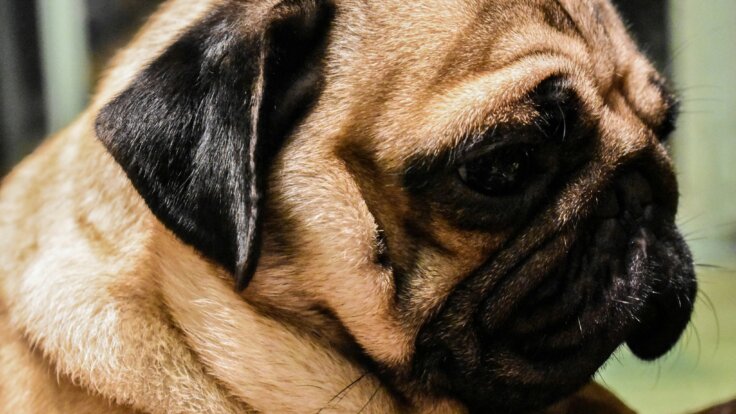
‘Toy dogs’ often suffer serious health problems due to intensive breeding.
Pugs have breathing difficulties because their extremely shortened skulls leave them with narrowed airways and compressed nasal passages.
Cavalier King Charles Spaniels are prone to serious neurological disorders, including syringomyelia, a painful condition caused by a skull too small for the brain.
Toy Poodles and similar long‑haired breeds can suffer chronic skin irritation and infections when their dense coats trap moisture and debris.
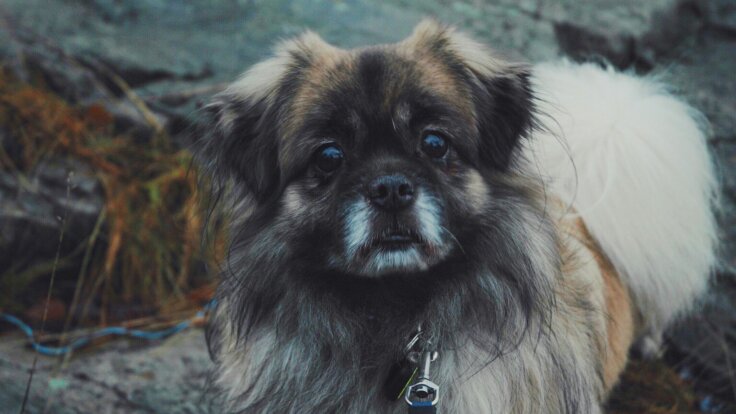
Breeds with protruding eyes, such as the Pekingese, face a heightened risk of eye injuries and ulcers due to shallow eye sockets.
Tiny breeds like Chihuahuas and Pomeranians may experience fragile bones and joint instability due to breeding for extreme smallness.
2. Dogs Are Individuals
Even their name gives away just how problematic the breeding of these animals is. Dogs are not toys or accessories – they are sentient beings who have personalities, complex needs and emotions.
No two dogs are the same. There’s no guarantee that just because of their size they will be better suited to a particular lifestyle. Just like any dog, they require significant, long-term commitment of time, attention, and money
3. Dogs Don’t Care About Looking ‘Cute’
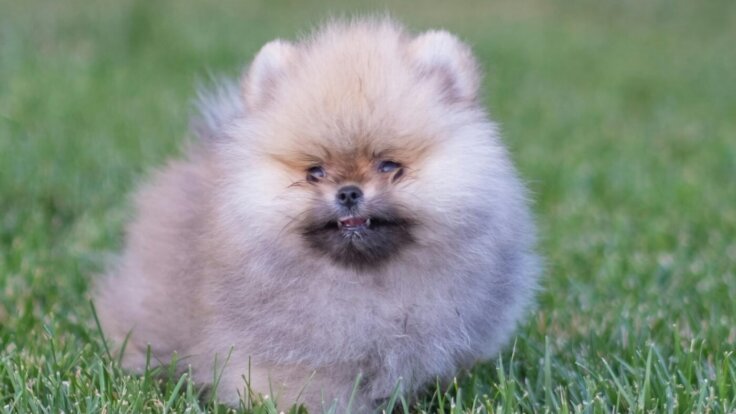
Some ‘toy dogs’, such as the shih tzu, toy poodle, and Pekingese, have been bred to have coat types that require intensive, lifelong grooming, which can be stressful and frightening for the animals.
Humans often subject ‘toy dogs’ to stressful grooming routines, decorative outfits, and accessories that prioritise human tastes over the dog’s comfort.
4. Small does not mean ‘Low Maintenance’
‘Toy dogs’ are sometimes marketed as ‘low maintenance’ in terms of space and exercise. but no dog thrives in a confined environment with little outdoor access. All dogs are different – some enjoy long walks, others will need lots of rest, but they all need guardians willing to adapt to their individual requirements.
5. Their Emotional Needs Are Often Overlooked
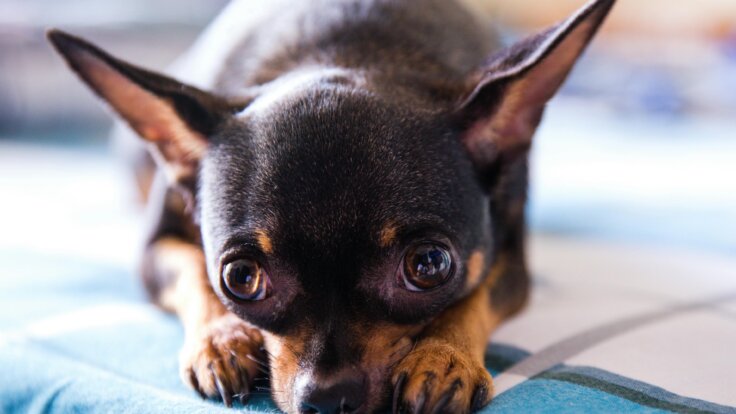
Humans often buy small dogs because they want something to cuddle and take photos of, but all dogs have emotional needs as well as physical ones.
6. Many Are abandoned When the Novelty Wears Off
Once people realise the level of care required – or that the dog isn’t as ‘easy’ as expected – dogs are frequently surrendered to shelters.
Social media trends have fuelled impulse purchases, leaving countless dogs abandoned when humans can’t meet their complex needs.
7. Small Dogs Are Vulnerable to Mishandling and Injury
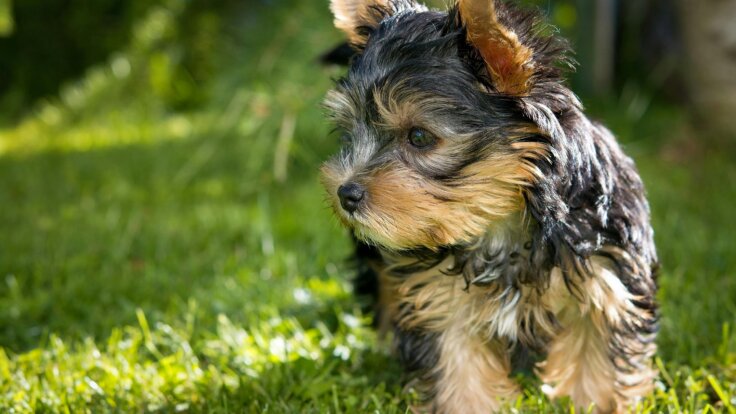
Their small size makes them easy to drop, step on, or injure accidentally, especially in busy homes or around children. These dogs are physically delicate in ways that make them far more vulnerable to everyday mishaps than many larger breeds.
Their tiny bones can fracture from something as simple as jumping from a sofa. Because people may treat them like plush toys – picking them up frequently, passing them around, or allowing children to handle them roughly – these dogs often face a higher risk of accidental injury.
8. Dog Breeding Is Horrific
Many people who buy dogs don’t give a second thought to the animals used for breeding: the mothers are forced to give birth repeatedly and have their puppies taken from them.
Many are kept in cramped cages with little social contact, denied the chance to exercise, play, or form bonds, and treated as breeding machines rather than living beings. Forced manual impregnation (often euphemised as artificial insemination) is frequently used.
Giving birth can also be very difficult, painful, and traumatic for unnaturally small breeds. Some breeds, such as Pomeranians, sometimes endure caesareans due to not being able to give birth naturally. Mother dogs have no autonomy over their own bodies.
9. Always Adopt, Never Shop!
It’s never acceptable to buy any dog, regardless of their breed; animals are living beings, not merchandise. Worse still, dog abandonment is sky-high, with many rescue centres at breaking point because humans are buying them with no regard for how much time, care, and money goes into looking after them. Every time you buy a dog, you are taking away the chance of a loving home and family for a dog at a shelter. If you genuinely feel like you have the time, energy and resources to commit to taking care of a dog for the next 15 years, please visit your local shelter and adopt, never shop.
Take Action for Dogs
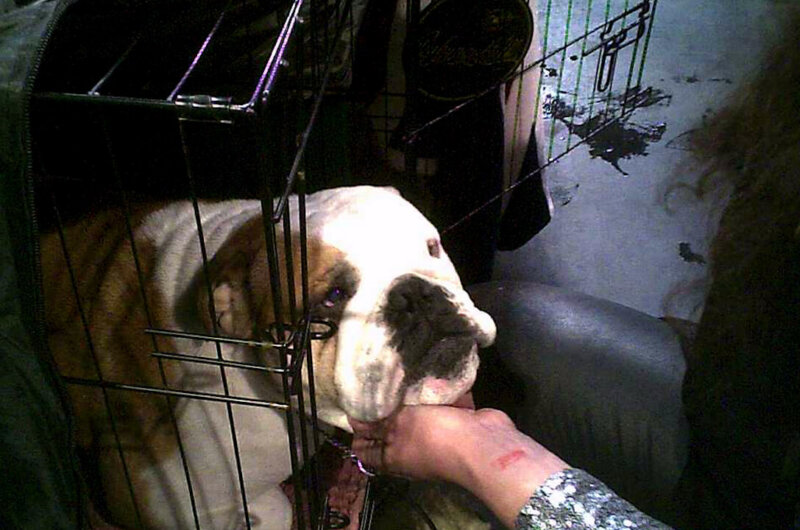
Take action against cruel dog breeding today by sending a message to Channel 4 urging it to stop airing Crufts:
Help Animals in 2026: Renew Your PETA Membership!
Donate Now