
EU Statistics Reveal Millions of Animals Still Suffering in Laboratories
Newly released figures from the European Commission have laid bare the staggering scale of animal use in laboratories across the EU and Norway. In 2023 alone, animals were used in more than 9 procedures – a number that shows just how far we still have to go to end cruel and outdated experiments on animals.
According to the official statistics published on 1 April 2026, a total of 9,073,608 procedures involved animals in 2023. This figure includes animals used in experiments as well as those used to create and maintain genetically altered animals. While this represents a 3% reduction compared with the previous year, the reality is that millions of animals are still being made to suffer – and incremental reductions are not enough.
Starved, Cut Open, Shot
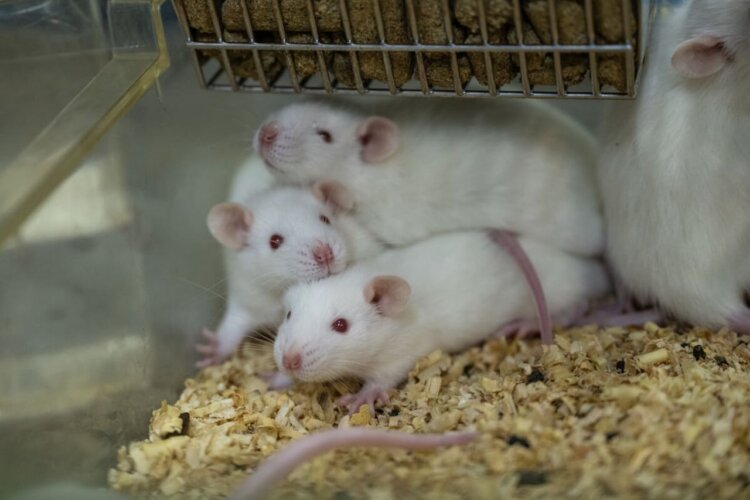
Animals used in laboratories may be starved, deliberately bred to develop painful and debilitating diseases, cut apart, shot at with rifles, or otherwise traumatised in the name of science. They cannot wait years or decades for change. What’s needed now is a clear plan to bring experiments on animals to an end.
Which Countries Are Using the Most Animals?

The figures show that the highest numbers of animal procedures in the EU were carried out in:
- France – around 2 million uses
- Norway – around 1.6 million uses
- Germany – around 1.5 million uses
For comparison, animals were used in nearly 2.7 million procedures in Great Britain during the same year.
Not the Full Story
Importantly, these numbers still do not tell the full story. The statistics exclude animals who are bred or killed for their body parts, as well as those bred as part of the laboratory supply chain but never used in experiments, because this information is not routinely collected across all countries. Huge numbers of animals are therefore missing from the official totals.
Disturbing Trends in Animal Use
The data also reveals troubling increases in the use of certain animals. In 2023, cephalopods (such as octopuses and squids) were used 65.3% more often than in 2018, while the use of reptiles increased by a shocking 163.6% over the same period.
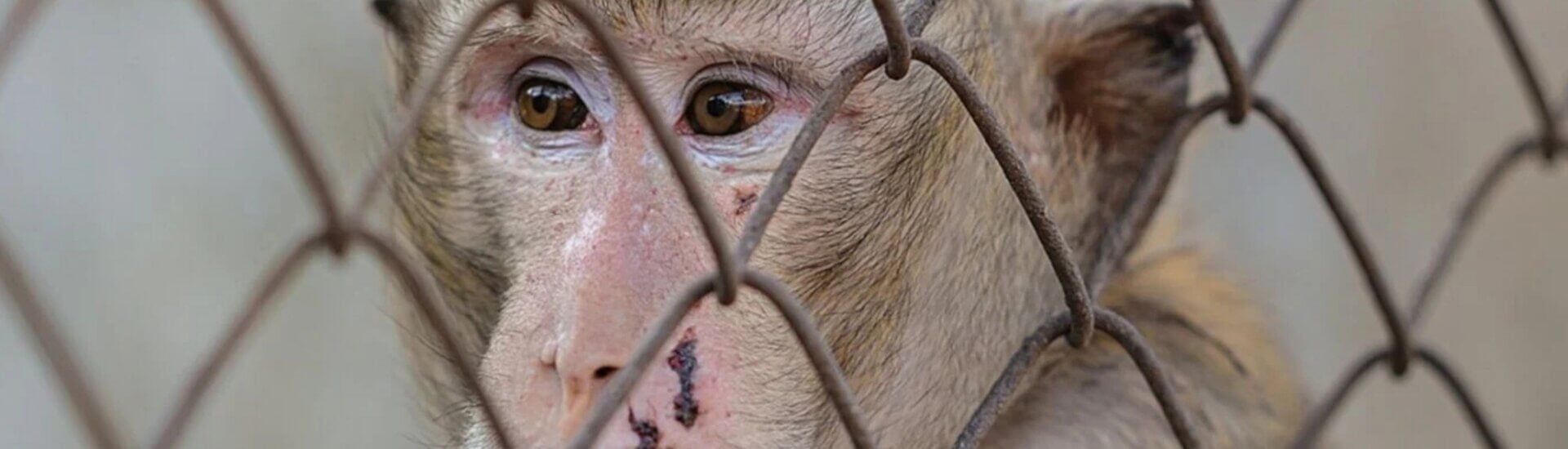
Meanwhile, endangered long-tailed macaques continue to make up the vast majority of non-human primates used for the first time in experiments – 87.1% in 2023 – with almost all of them sourced from outside the EU.
Some Progress – But Far Too Slow
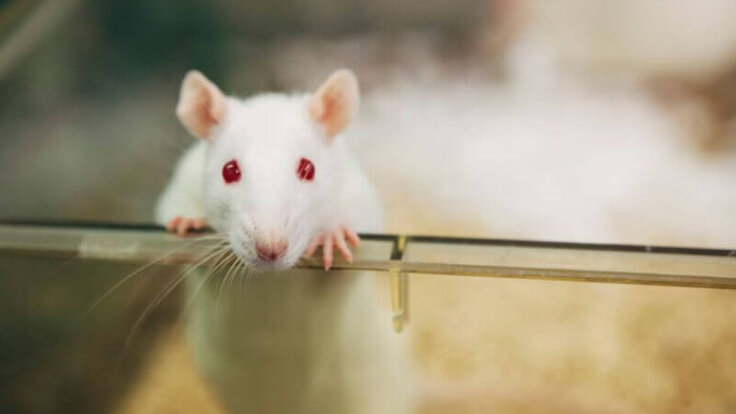
There is evidence that animal use in certain types of regulatory testing has decreased over the past five years, particularly in areas where nonanimal methods already exist. But progress is uneven and slowing. Alarmingly, animal testing for industrial chemicals increased by 14.9% compared with 2022, showing the clear limits of voluntary change.
Regulatory agencies often require safety data before chemicals can be sold or imported. Historically, this has meant tests on animals – despite growing evidence that these tests are often unreliable, poorly predictive of human outcomes, and ethically indefensible. Today, scientists and regulators around the world are increasingly using innovative, non-animal methods that can deliver faster, more relevant results without causing suffering.
Animals Can’t Wait
Reductions alone are not a strategy. Millions of animals are still used every year in research, testing, education, and routine production across the EU. What’s missing is urgency – and a clear, time‑bound roadmap to end all animal experiments.
The EU has the knowledge, the technology, and the public support to move beyond experiments on animals. What it needs now is the political will to act.
Animals can’t wait. Please add your voice and urge decision‑makers to commit to a full, planned end to experiments on animals.
Take Action Now
You can take action for animals abused in laboratories today by signing our open letter calling for the EU to crack down on experiments on animals for chemicals:
Sign the Open Letter
Help Animals in 2026: Renew Your PETA Membership!
Donate Now