Chinchilla For Sale: 9 Reasons You Shouldn’t Buy One
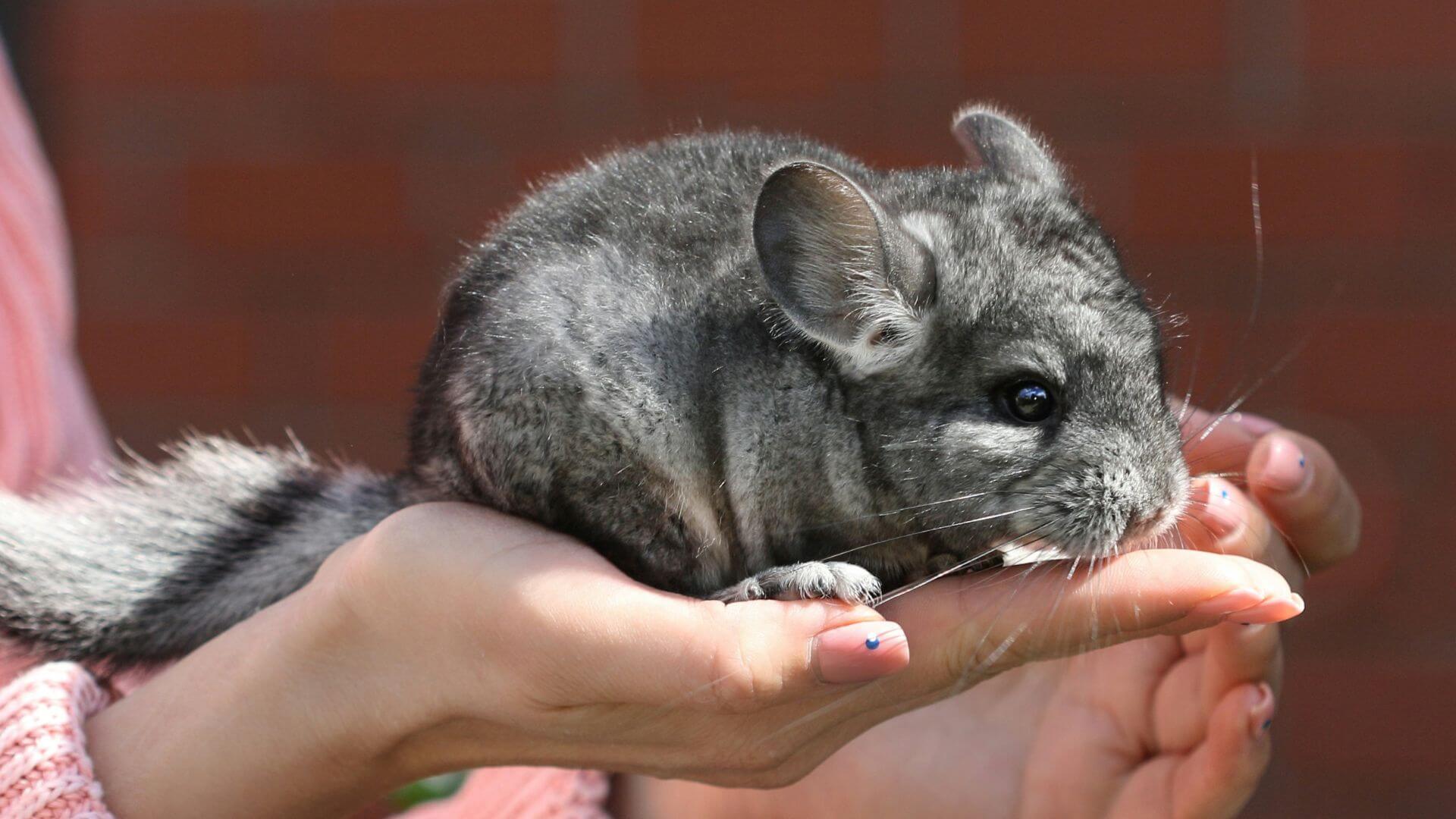
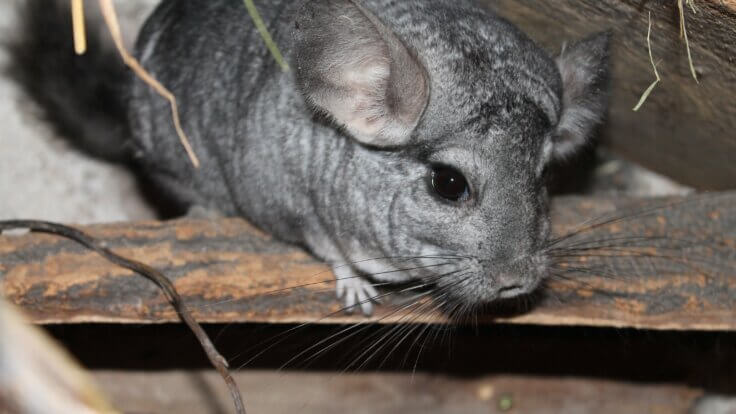
Chinchillas are rodents with velvety fur, big eyes, bushy tails, and big ears that aid their sensitive hearing.
Their resemblance to Pokémon has made chinchillas popular in ‘pet’ stores, but nobody should ever buy one. If you’ve seen a chinchilla for sale, here’s why you should never hand over money to ‘pet’ shops or breeders.
1. Chinchillas Need Expert Care
Chinchillas and other small rodents are popular with children, but they require educated, intensive care.
As sensitive prey animals with delicate bodies, most chinchillas don’t enjoy being cuddled, and if they’re dropped or fall, it can be fatal. They may also bite out of fear if a child – or adult – startles them by reaching into their enclosure or handles them too roughly. Since these rodents have extremely sharp front teeth, a bite can be deep and painful.
They also need adequate space (they can jump 6 feet in the air so require a large enclosure with space to jump, run and play), stimulation, and a tailored diet, and can experience trauma from loud noises, like boisterous children and fireworks.
2. Chinchillas are a Two-Decade Commitment
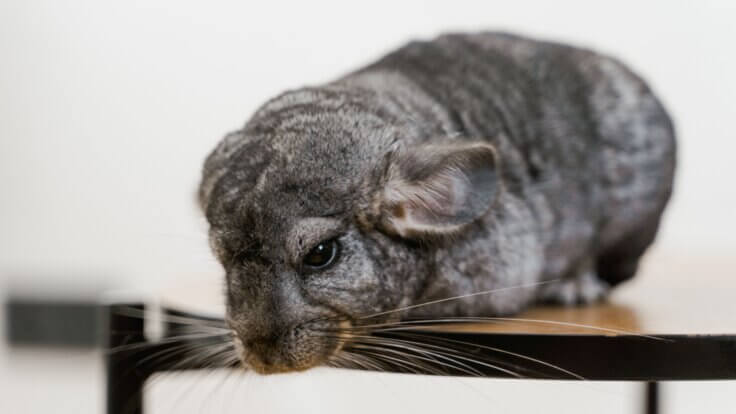
Chinchillas live, on average, around 10 years, but they can live twice that. Consider all the twists and turns your life has taken in the past two decades.
It takes planning and dedication to commit to a chinchilla through moves, new babies, and financial ups and downs.
3. Chinchillas Keep a Different Schedule From You
One mistake people make when considering a chinchilla is assuming they will ‘free roam’ in the day and ‘go to bed’ at night. But chinchillas are crepuscular, meaning they’re most active at dawn and dusk, and often awake during the night.
Light sleepers beware: chinchillas will eat, run, and chew throughout the night.
4. Chinchillas Require Expensive Vet Care
Like all ‘exotic’ animals, chinchillas require the expertise of a specialist vet, and such care comes at a premium. They’re prone to GI stasis, dental problems, heatstroke, and health issues arising from their guardians not getting their dust baths just right.
As prey animals, chinchillas are experts at hiding pain and illness until it’s too late, so constant observance, a vet plan, and a knowledge of what to look for are essential.
5. The ‘Pet’ Trade Is Cruel
Breeding animals for human use, particularly while so many go without homes, is amoral to begin with, but the pet trade’s cruelty goes even further.
Animals bred to meet demand are trucked long distances in tiny containers, and are routinely denied socialisation, exercise, and even basic veterinary care as profits trump welfare.
Worse, the pet trade reinforces the harmful notion that animals are products to be bought on impulse and discarded when the novelty wears off.
6. They Need Chinchilla Company
Chinchillas are highly intelligent and social animals, and it’s generally cruel to keep one on their own, which means you must consider all the points here times two.
7. Heatwaves Can Kill Chinchillas
Intense, prolonged periods of dangerous heat are becoming increasingly common, even in colder climates, which is something to factor into any expansion of your family.
Chinchillas can’t sweat or pant, so they regulate their body temperature through dust bathing, which means supplying a bath, monitoring for skin issues, and cleaning up after each messy roll in the dust.
They’re also sensitive to cold and need a specific humidity range to be happy and healthy.
8. Chinchillas Never Stop Chewing
Like rabbits, chinchillas’ teeth never stop growing, meaning they need access to items to chew on at all times.
If they don’t have enough suitable toys and they escape their habitat (a speciality of theirs), your furniture, skirting boards, and carpets are at risk – and chewed wires can be fatal for them, and dangerous for you.
9. Chinchillas are Routinely Abandoned
Already-overwhelmed shelters report an alarming number of chinchillas being dumped at their doors – or just in the streets and parks.
Commonly cited excuses for surrender include expense, complex care needs, space requirements, and changes in circumstance over the chinchillas’ long lives. All animals are a serious commitment, not to be made lightly.
Every Chinchilla Is Someone
Chinchillas are don’t exist to be bought and old like toys. Please never buy them – or any animal – from a pet shop or breeder. Caring for them requires significant time, space, and resources that many people are unable to provide. If, and only if, you’re truly ready to give two or more bonded chinchillas a loving home for life, adopt – never shop. Reputable chinchilla rescue organisations are often the best place to start.
Help Animals Abused By the ‘Pet’ Trade
Want to help more animals suffering behind closed doors in human homes? Take action by urging Defra to increase enclosure sizes for snakes, allowing them to stretch their bodies:
Help Animals in 2026: Renew Your PETA Membership!
Donate Now