9 Reasons to Never Buy a Pomeranian
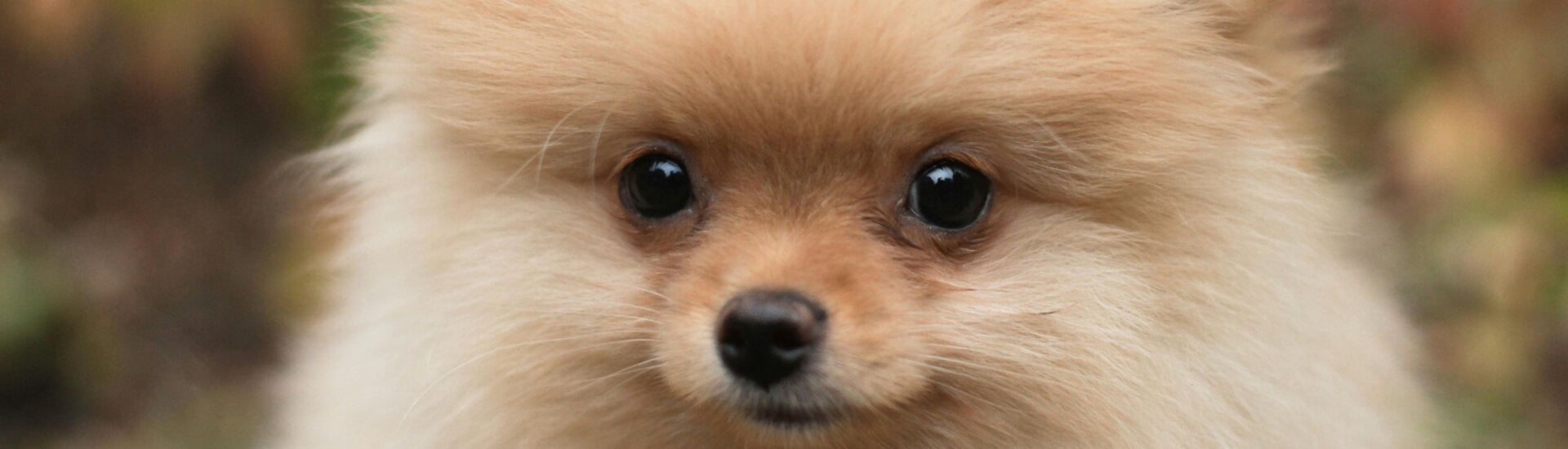
Engineered through intensive breeding, Pomeranians are a “toy” breed of dog, characterised by their small size, thick coat, and curled tail.
Pomeranians are prone to illnesses, health conditions, and other issues due to their breeding. Here’s why you should never buy one.
1. They May Struggle to Breathe
While not quite as short-snouted as breathing-impaired breeds like pugs, Pekingese and bulldogs, Pomeranians suffer from compact heads, throats, and snouts that can spell serious health issues.
One of the most serious size-related issues Pomeranians face is a collapsed trachea, in which the cartilage of the windpipe weakens and crumbles, leading to honking, coughing, and wheezing.
This sometimes-fatal condition, borne from their tiny necks and windpipes, is usually inherited, but can also occur when a collar is placed around their delicate necks, making harnesses essential.
A collapsed trachea requires immediate attention and, in some cases, surgery to stabilise the windpipe.
2. Pomeranians Are Prone to Other Illnesses

Pomeranians are prone to several genetic conditions, including patellar luxation (slipping kneecaps), cataracts, and hypoglycaemia, which can be challenging to control in small, active dogs. Pomeranians suffer from these health problems because humans want them to look a certain way. The breeding for a certain appearance results in the dogs suffering for their whole lives.
Pomeranians also often suffer from black skin disease (alopecia X), where the dog’s coat thins and falls out, leaving bald patches that expose dry skin, which discolours (blackens) with exposure to air, which requires intense care to manage.
3. Pomeranians Cost Money

The health issues that “designer” dogs almost always face can result in more frequent vet visits and can cause your companion to suffer.
Devoting your life to any dog is costly, but the additional financial demands of adequately caring for a high-maintenance Pomeranian mean many are surrendered to shelters.
4. They Need Lots of Attention
Pomeranians are intelligent, excitable dogs who need lots of attention, meaning you’ll need to have plenty of time for them.
They’re also high-energy dogs prone to social and separation anxiety, as well as sometimes-constant barking.
Many guardians also report that their pom suffers from “small dog syndrome”, where they confront much larger breeds – a habit which can be challenging at the dog park. All potential dog adopters should make sure they are fully committed to taking care of the dog’s needs.
5. They Require Routine Grooming
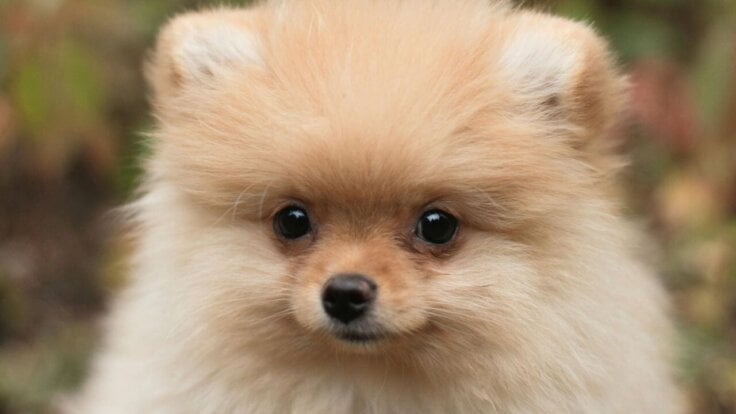
With their thick fur and fluffy tails, Pomeranians need regular grooming, including weekly brushing with a special comb to keep their coats comfortable.
Because Pomeranians’ undercoats don’t regrow if clipped incorrectly, regular visits to a professional groomer, especially in summer when their cosy coat can become a little too warm, is necessary.
They also need maintenance of their paw pads, teeth, and ears for optimal health.
6. They Might Not Be the Ideal Kids’ Companion
One mistake some families make when bringing a small dog into their home is assuming that small = good with children. But, while Pomeranians aren’t known for aggression, they might not be right for kids under 10.
Small and delicate, Pomeranians can be easily hurt by a child playing a little too enthusiastically and may become snappy if they feel confronted by a child’s tendency to grab.
7. Dental Issues Are Common
Just as a squashed snout and small head can lead to issues for “toy” breeds, so too does having a tiny mouth adversely impact the Pomeranian.
Tooth crowding makes it easy for food to become trapped, causing plaque and infections, including gingivitis and receding gums, a condition so common in the breed that it’s often referred to as “Pom mouth”.
On top of this, Pomeranians tend to mouth-breathe, which can compound bacterial buildup and bad breath.
8. They’re a Lifelong Commitment
If you’ve ever loved a dog, you’ll know: our time with them is always too short. Still, a lot can happen in life over the average life of a Pomeranian (12 to 16 years).
As with any animal, never adopt until you’re ready to dedicate the time, attention and finances they will need for many years to come, keeping in mind that dogs are still family through moves, pregnancies, illness, and more.
9. Pomeranians (and Other Dogs) in Shelters Need You More!
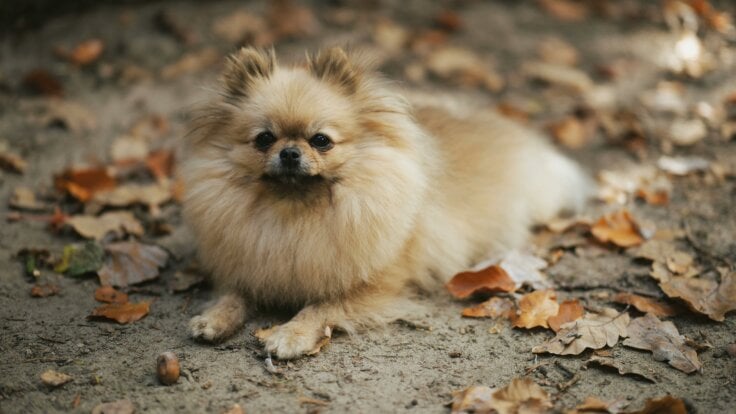
There are hundreds of Pomeranians in shelters and breed-specific rescues across the UK, just waiting for loving homes. Every time you buy a Pomeranian – or any other dog –from a breeder, you are taking away the chance for a dog in a shelter to find a loving home.
Help Dogs Today!
You can take action against dog breeding today by asking Channel 4 to cut ties with Crufts:
Help Animals in 2026: Renew Your PETA Membership!
Donate Now