

UK Must Follow US’ Lead: A Turning Point in Ending Animal Testing
In a groundbreaking move that is a crucial first step to modernising science and sparing millions of animals from miserable lives and deaths in laboratories, the National Institutes of Health (NIH) in the US announced in a webinar on 7 July 2025 that when issuing funding calls – unlike in the past – it will not include any that are for animal-only studies.

This means that we won’t see valuable public resources limited to futile attempts to make monkeys serve as stand-ins for humans in HIV research, or to genetically manipulate mice to have a condition that poorly approximates Down Syndrome.
This monumental step is a clear sign of the world waking up to the huge potential of non-animal scientific methods.
This is a crucial stage in modernising science and will save millions of animals from miserable lives and deaths in laboratories. It closely follows the NIH and the US’ Food and Drug Administration’s (FDA) announcements in April 2025 that they will move away from tests on animals and instead prioritise non-animal methods.
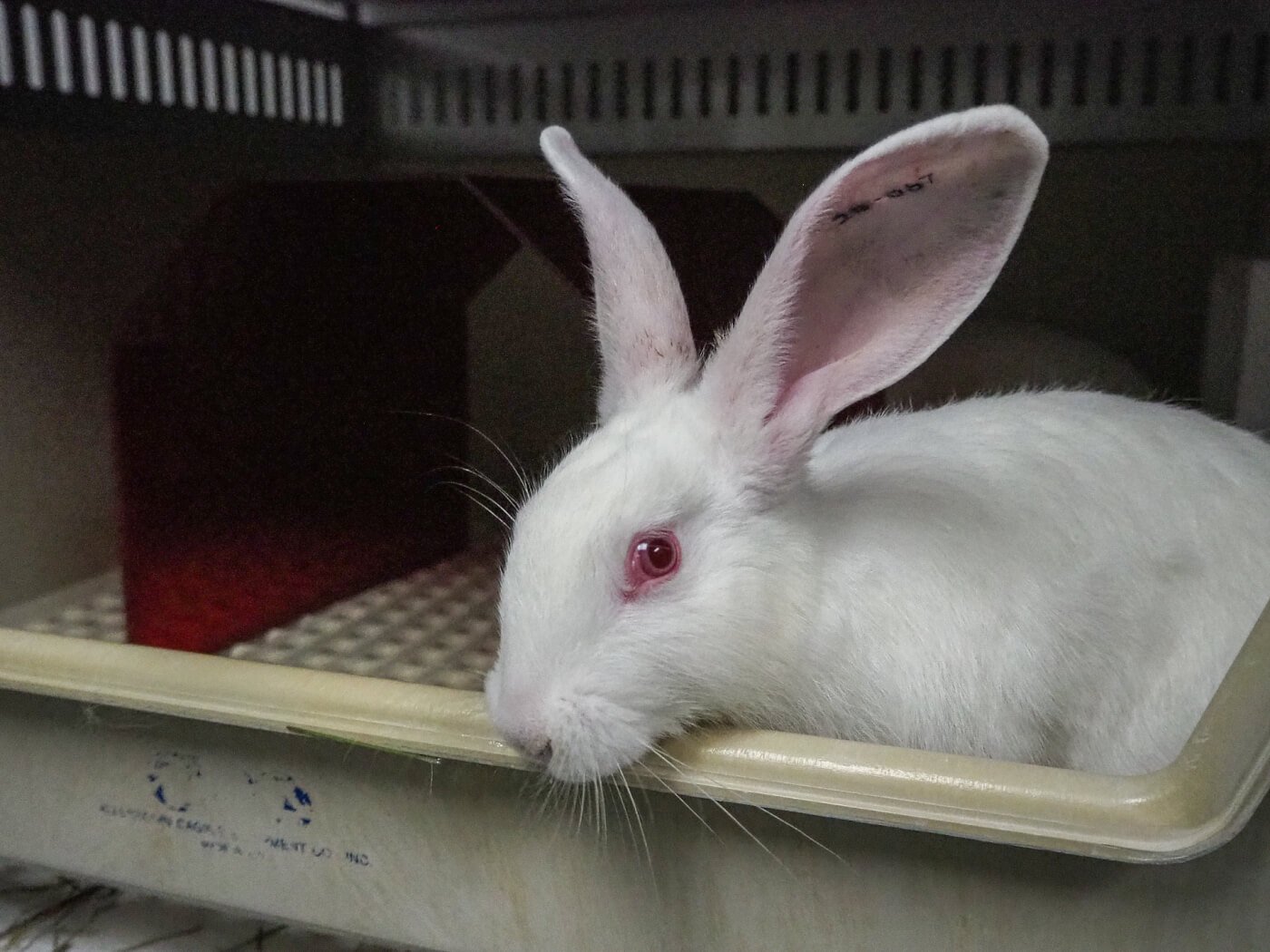
Shifting Toward Non-Animal Science
The NIH webinar explored key goals, challenges and opportunities in moving away from experiments on animals. A strong emphasis was placed on collaboration and training to support this transition. Several new NIH initiatives were outlined, including plans to:
- Redirect research funding toward human-relevant non-animal methods
- Expand training in modern non-animal approaches
- Raise awareness of the value of non-animal methods in translational research
- Educate grant reviewers and regulators to recognise and overcome bias toward animal methods
- Establish a hub for interagency coordination and regulatory translation
Speaking at the event, Dr Nicole Kleinstreuer, an internationally recognised leader in reliable and human-relevant non-animal testing, who is the Acting NIH Deputy Director for Program Coordination, Planning, and Strategic Initiatives stated that the workshop marked a “long overdue shift towards coordinated, constructive efforts to reduce reliance on outdated animal models and accelerate human-based solutions.”
What About the UK?
The NIH’s decision is just the most recent development in an unmistakable global shift toward non-animal research methods. In Europe, momentum is building as the EU develops its own roadmap to phase out animal testing in regulatory contexts.
It’s essential that the UK follows suit and matches the ambition of the US and EU. As the government finalises its roadmap to phase out animal testing, aligning with international progress will help maintain the UK’s reputation as a leader in life sciences. To do this, the UK must:
- Redirect research funding away from outdated research using animals
- Proactively promote awareness and education around the benefits of non-animal methods
- Provide training programmes to support a transition away from the failing animal testing paradigm
- Encourage collaboration across government, academia, and industry
- Collaborate globally to ensure work is coordinated and harmonised internationally
PETA scientists, researchers, campaigners, and supporters have worked long and hard for years to see last year’s commitment from the UK government to end animal testing. From undercover investigations and campaigns that shut down laboratories and ended funding for experiments on animals, to working with regulators and scientists around the world to develop and approve non-animal methods, and more.
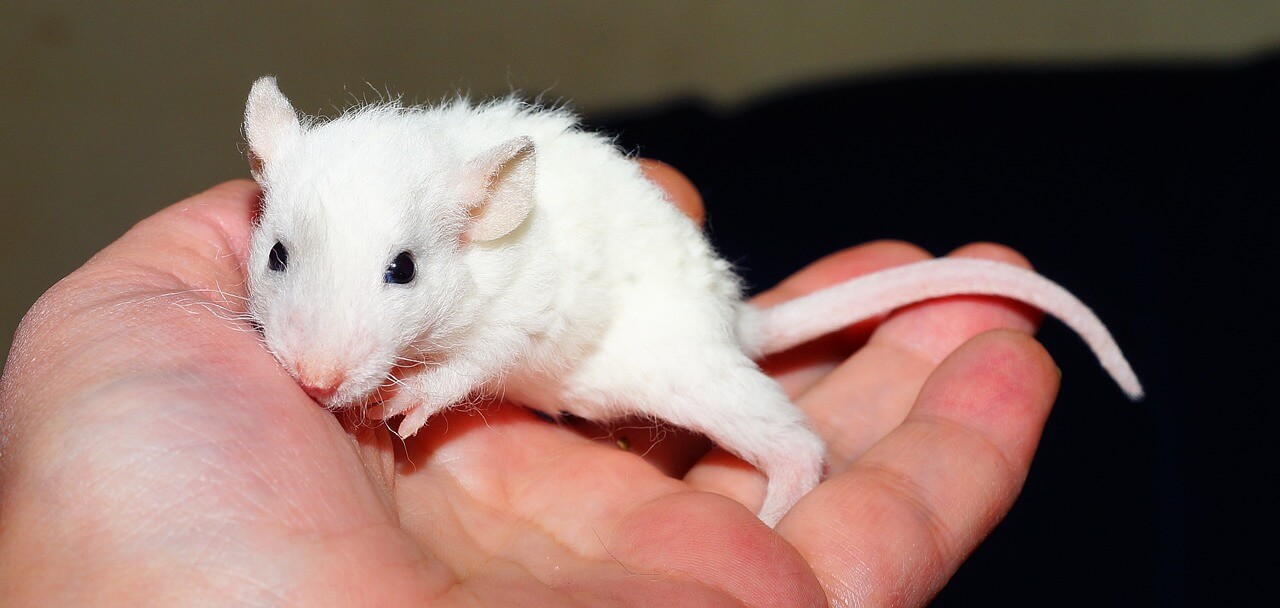
Animals in Laboratories Need YOUR Help
Over the past decade, reliable, human-relevant non-animal approaches have revolutionised the field of research and testing. But there’s still work to do.
Rabbits, mice, dogs and other animals in the UK are caged, poisoned and burned, even though tests on animals are not required by law for assessing the safety of new medicines. Please add your name to our petition calling on the government to phase our all experiments on animals and embrace the Research Modernisation Deal:
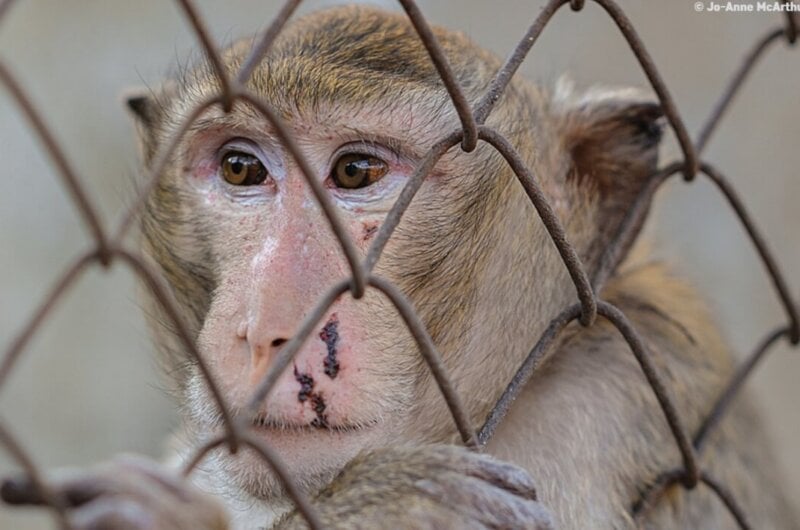
Help Animals in 2026: Renew Your PETA Membership!
Donate Now