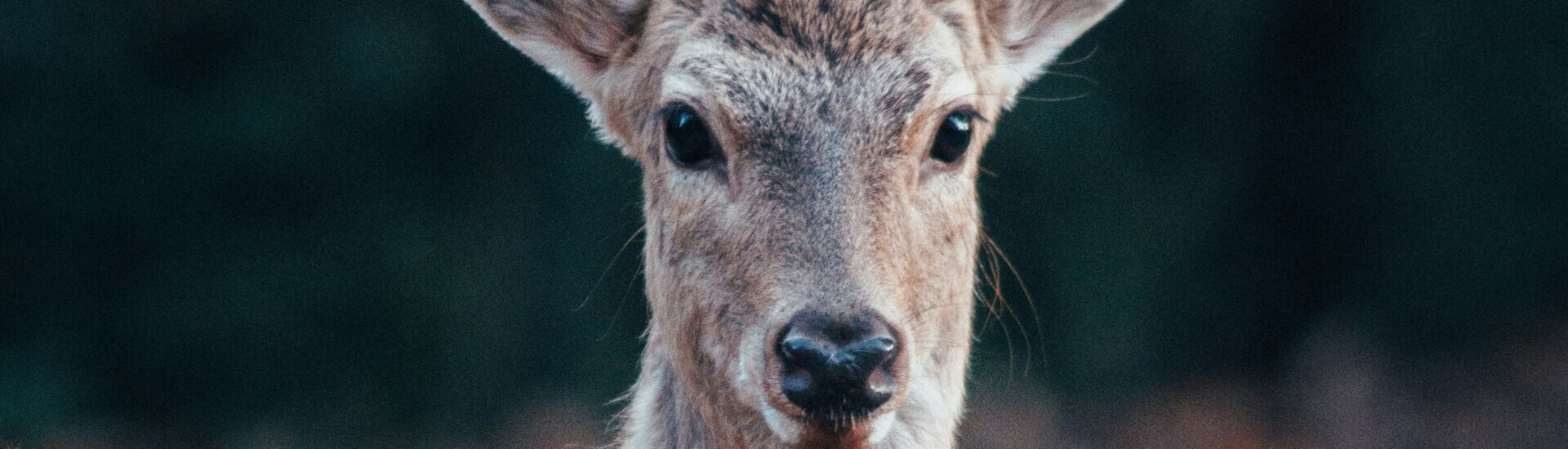
Reasons to Never Eat Venison
Claims that deer flesh (venison) is a ‘sustainable’ option are often pushed by those seeking to reframe killing wildlife as somehow beneficial. The narrative resurfaced when the traditionally meat-free Shambala Festival polled festivalgoers about whether it should offer deer flesh at its 2026 event.
Most festivalgoers said ‘no’ to adding deer meat, seeing through the ‘sustainability’ marketing. Whether they’re hunted or farmed, slaughtering animals is far from green.
Consider this: cats in the UK kill an estimated 160 to 270 million wild animals annually, including 27 million songbirds. Would butchers or farms ever float the idea of selling cat flesh? Of course not. But speciesism masquerading as sustainability is still speciesism.
If we care about the planet, the last thing we should do is eat the animals we share it with; the science is clear: going vegan is the ‘single biggest way’ that a person can reduce their environmental impact.
Where Does Venison Come From?
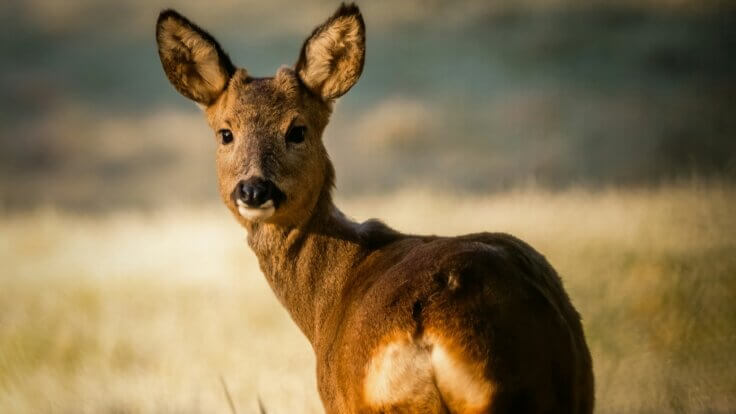
The majority of venison in the UK is ‘wild-sourced’, meaning that deer stalkers hunt and shoot deer where they live, gutting (gralloching) them.
If you’ve ever seen a mother deer and her babies flee at the sound of a stick cracking underfoot, you know how sensitive deer are, and how terrifying being stalked and shot at is for them.
The remainder of venison in the UK comes from some 36,000 deer confined on around 300 farms. There, deer are bred for their flesh and killed at one to two years old , either on farm or at specialised abattoirs where a captive bolt is embedded in their brain before their throats are slit.
No Such Thing as ‘Pest’ Animals
Deer have been on Earth for tens of millions of years longer than humans, so it’s a bit rich that we should encroach on their natural homes with our buildings and deforestation and then label them ‘pests’. Like all animals, deer are simply trying to survive in a landscape that’s shrinking and changing from human activity.
Lethal initiatives to control animal numbers are as ineffective as they are cruel, resulting in a temporary drop in population numbers, followed by an accelerated breeding of survivors. There are plenty of non-lethal ways to prevent deer from entering farms, or getting hit by trains, including fencing, netting, and scent, visual or audio deterrents.
Deer, along with badgers, stoats, grouse, and foxes, are individuals, and part of an ecosystem which we all rely on to exist. It’s time we learned to live peacefully with other animals.
Every Deer Is Someone
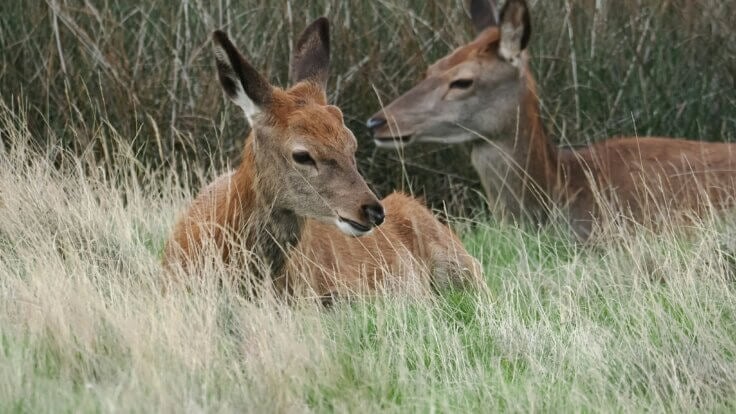
Deer are living, feeling individuals, each with a distinct personality. Gentle and timid animals, deer live in families and does and hinds are excellent mothers who cleverly hide their fawns in long grass while they forage for food.
Deer are also highly intelligent. They have adapted to navigate human structures, learning to recognise traffic patterns and crosswalks, and they also have excellent spatial awareness. Deer possess excellent long-term memories, allowing them to recognise – and avoid – dangerous humans, such as hunters, demonstrating a sophisticated ability to plan and a natural will to live.
Be a Dear to Deer, Go Vegan!
Leaving venison off your plate is the first step toward helping deer, but extending your compassion to all animals is the best way to help them while helping to save the planet.
Other ways you can help deer include:
- Never attending a Christmas display with live ‘reindeer’
- Never taking a deer sleigh ride
- Avoiding petting zoos
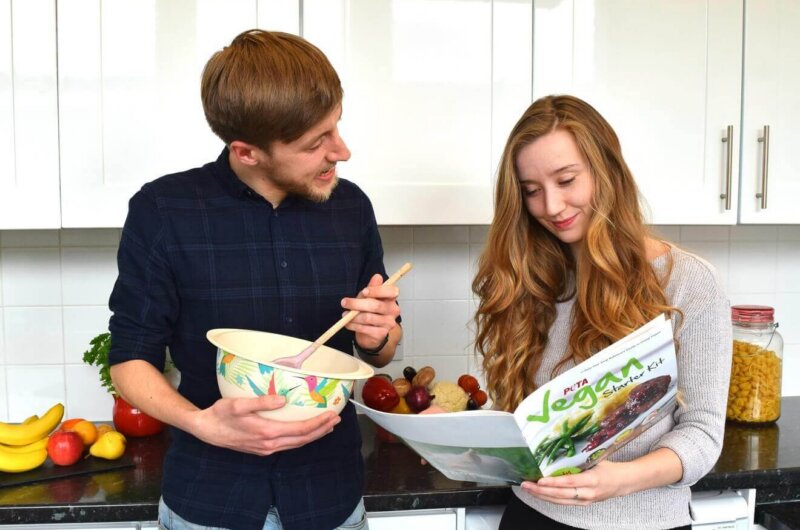
If you cried when Bambi’s mother was killed, you already understand being vegan! Start living your values today with our FREE Vegan Starter Kit:
Help Animals in 2026: Renew Your PETA Membership!
Donate Now
Read More
Gen Z Are Promoting Sardines – 7 Reasons This is a Problem
11 Compelling Reasons Not to Eat Chicken