The Truth About Cage-Free Eggs
For many, cage-free eggs conjure images of hens roaming freely, dustbathing in sunshine, and pecking at grass. But behind the marketing and labels, industrial cage-free egg production causes many of the same harms as caged systems – and in some cases introduces new ones.
A new white paper from PETA US exposes the truth behind cage-free: removing cages does not remove cruelty.
Cage-Free Does Not Mean Free
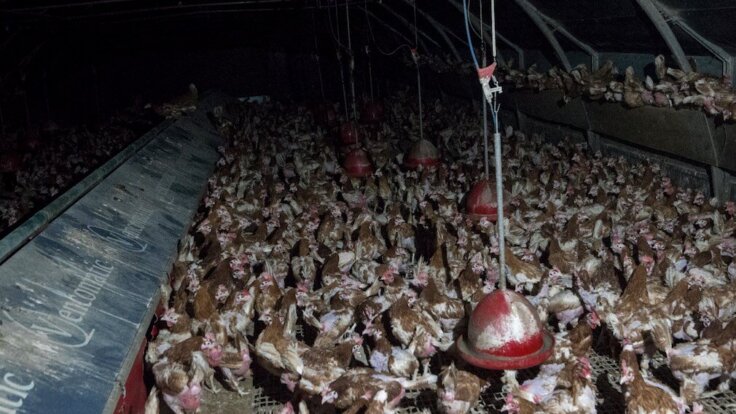
In industrial cage-free systems, hens are still confined by the tens of thousands inside vast sheds. Each bird is typically given between one and one and a half square feet of space – not enough to fully stretch her wings, turn around comfortably, or move freely without colliding with others. These conditions create chronic stress, frustration, and aggression, making it impossible for birds to form stable social relationships.
Injuries, Mutilations, Cannibalism, Death
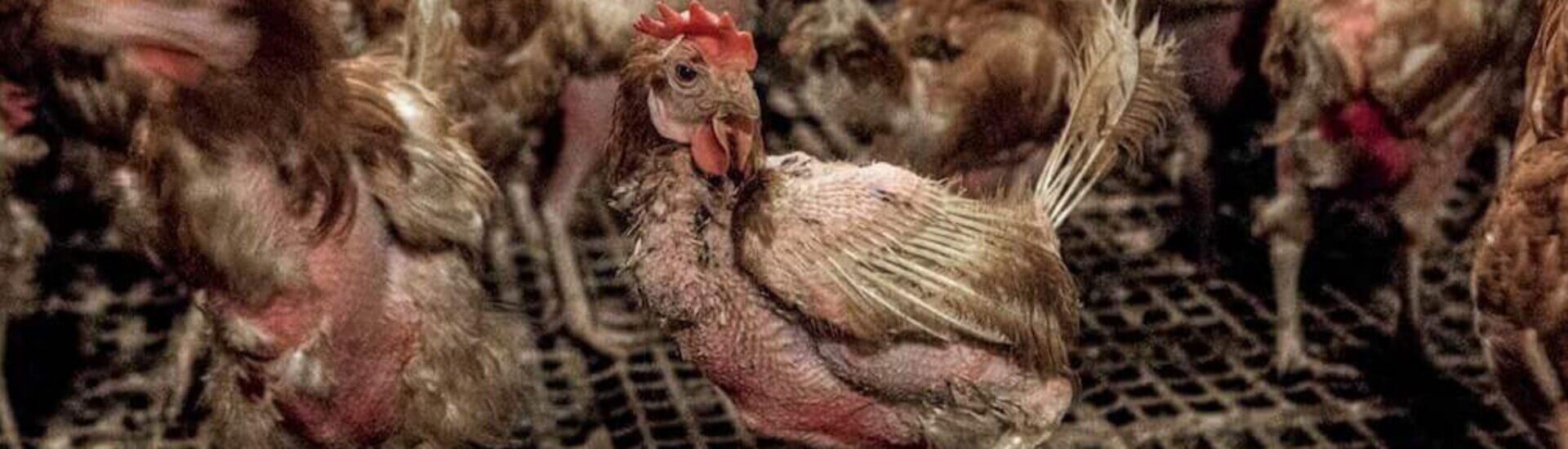
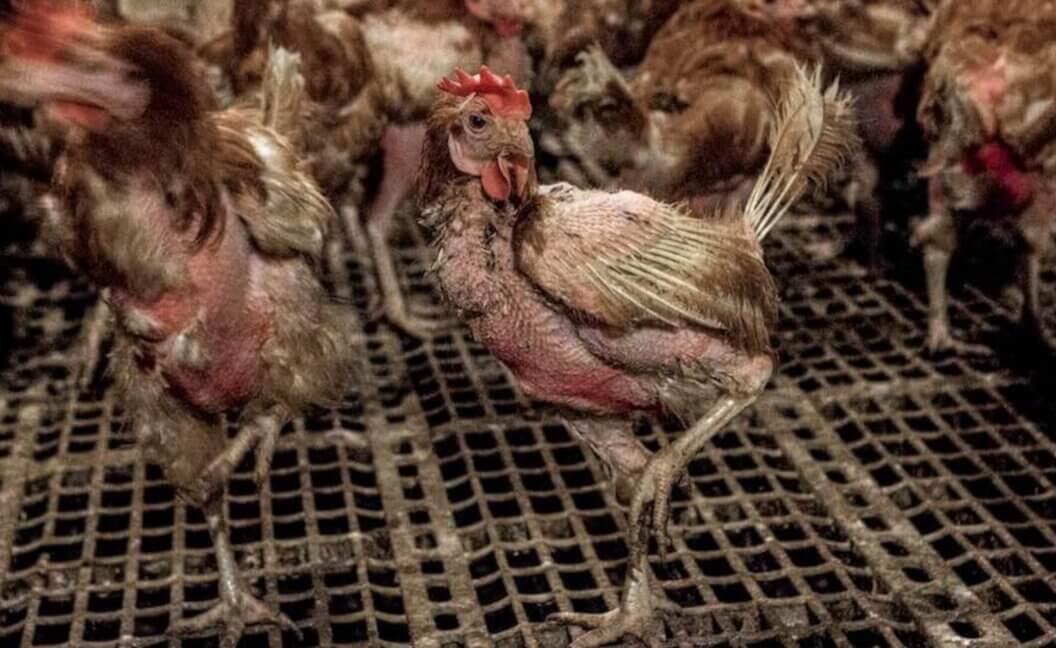
Cage-free systems are associated with high rates of feather pecking, cannibalism, and severe wounds, including cloacal injuries that can lead to death. To manage this, producers routinely mutilate chicks by removing the sensitive tips of their beaks – a painful practice that permanently alters how birds eat, explore, and interact with their world.
Air quality inside cage-free barns is often worse than in caged systems. Ammonia rich dust from manure, feathers, and litter fills the air, leading to chronic respiratory disease, skin lesions, eye irritation, and compromised immune systems. The same dust increases the risk of devastating barn fires, in which birds are burned alive or suffocate from smoke.
Disease Is Rampant on Cage-Free Farms
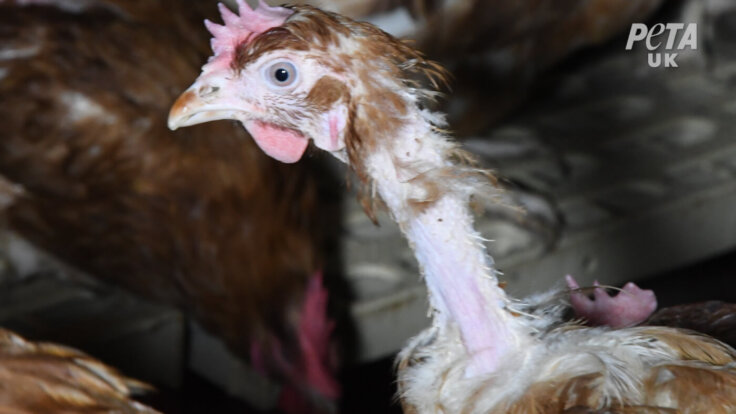
Cage-free systems also expose hens to a higher risk of disease outbreaks. When bird flu is detected, entire flocks are killed en masse and disposed of. Millions of hens have been killed on farms around the world due to the current bird flu outbreak.
All Animal Farming Is Cruel
Whatever welfare label is used, it doesn’t address the fundamental cruelty of egg production itself. Hens have been genetically engineered to lay an unnaturally high number of eggs. They produce around 300 eggs a year, when naturally it would be around 12. This puts extreme strain on their bodies and leads to broken bones, reproductive disease, and early death. Male chicks – who are considered useless to the egg industry – are killed shortly after hatching, either by gas or being ground up alive in industrial macerators. When hens’ bodies are worn out, they are slaughtered.
Cage-Free Is a Marketing Scheme
Cage-free labels allow the egg industry to charge higher prices while giving consumers the false impression that they are making a compassionate choice. This deception keeps people buying eggs who might otherwise reject the industry altogether.
Cage-free is a marketing strategy that props up an inherently cruel system.
No Such Thing as Ethical Eggs
If we want to end suffering for hens, we must look beyond labels and reject the idea that animal exploitation can ever be humane. The only real alternative to cages – and to cage-free – is choosing animal-free foods and leaving eggs off our plates entirely.
Take Eggs Off Your Plate
Ready to remove eggs from your plate for good? Take our vegan pledge today:
You can also order our free Vegan Starter Kit to help you on your journey:

Help Animals in 2026: Renew Your PETA Membership!
Donate Now
Read More
Shearling
The Truth About Cage-Free Eggs