Her, Me, And Ewe: How Society Can Fight Violence Against Females of All Species
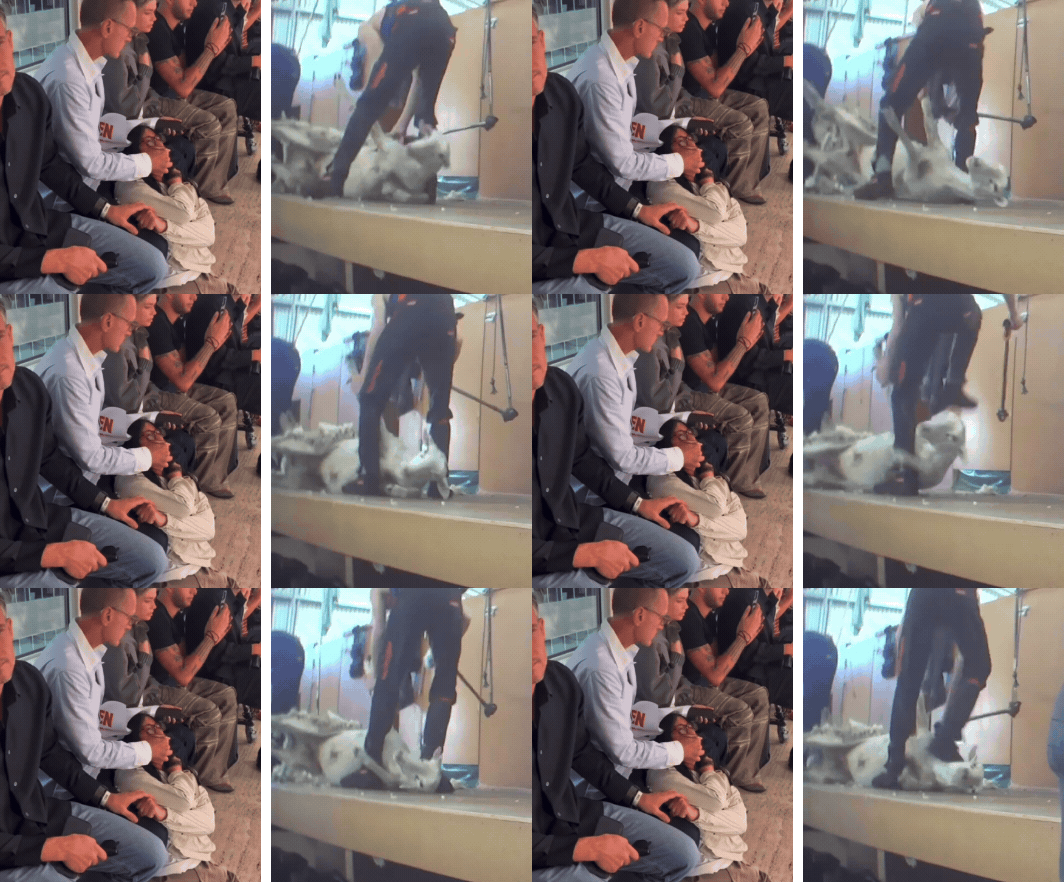
She was tackled to the ground, stumbling, falling, dragged into submission. His hand roughly covered her mouth as he held her down.
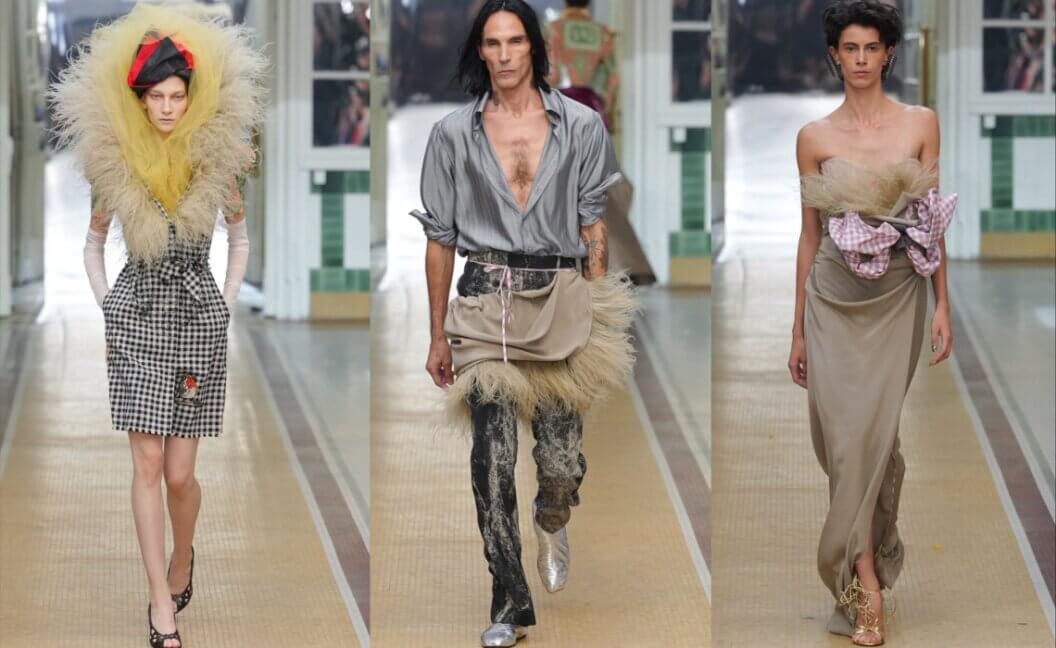
By now, you’ve likely seen the viral video of H&M CEO Steven Kolb roughly subduing an anti-wool protestor at New York Fashion Week. It was shameful, but that’s not what I’m describing above. I’m describing just a portion of what happens to sheep used for wool.
When PETA posted to social media the confronting footage of Kolb clamping his hand over a female activist’s mouth to stifle her cries as he held her on the ground, the comment sections exploded. Kolb’s actions were rightly condemned as “abusive”, “violent”, “vile”, and “enraging”. Many called for his arrest. And, while a compassionate few recognised that far worse abuse happens to sheep used for the wool sold by H&M and others, there’s still a lack of outrage when the victim of violence is a nonhuman animal.
Wool And Animal Abuse Are Inseparable
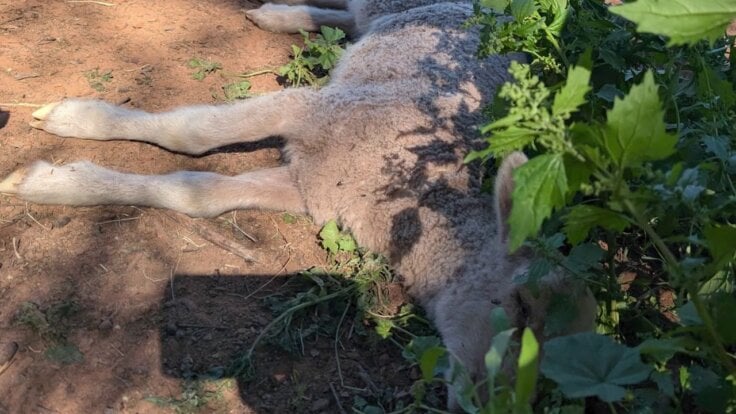
Every day in wool operations the world over, sheep are thrown, kicked, punched, beaten with clippers, and sheared so quickly and roughly that their delicate skin is torn open. Sometimes, their cuts are crudely stitched. Other times, shearers have been filmed laughing at sheep’s injuries and mopping up their blood and urine with their own wool.
Instead of admitting that the cruelty captured by PETA entity investigations into more than 150 wool operations is systemic, and not just a ‘few bad apples’, brands like H&M double down on the high-welfare myth. But eyewitness footage from H&M’s own ‘ethical wool’ supplier, Nativa, proves that such labels serve only to comfort consumers, not animals.
The first-of-its-kind exposé revealed workers kicking sheep in the head, beating them with shearing equipment and a piece of wood, and yanking scared little lambs by their legs. One worker slammed an animal’s head into the ground, and one lamb sported a maggot-infested wound. Everywhere investigators looked, sheep and their babies were being abused in ways that could never be called ethical.
Times Are Changing, But Our Blind Spot Is Glaring
The public reaction to the violence against PETA’s protester reflects a vital societal shift. Violence against women is widely denounced, as it should be. But is violence toward other animals any less wrong, and are sheep really so different to us?
Every Sheep Is Someone
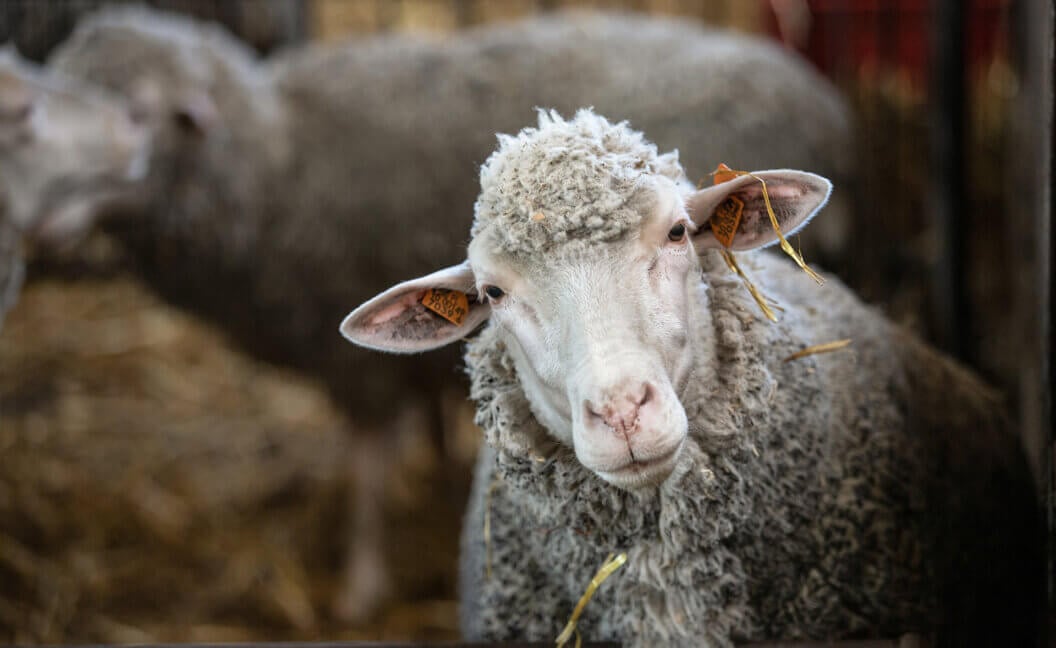
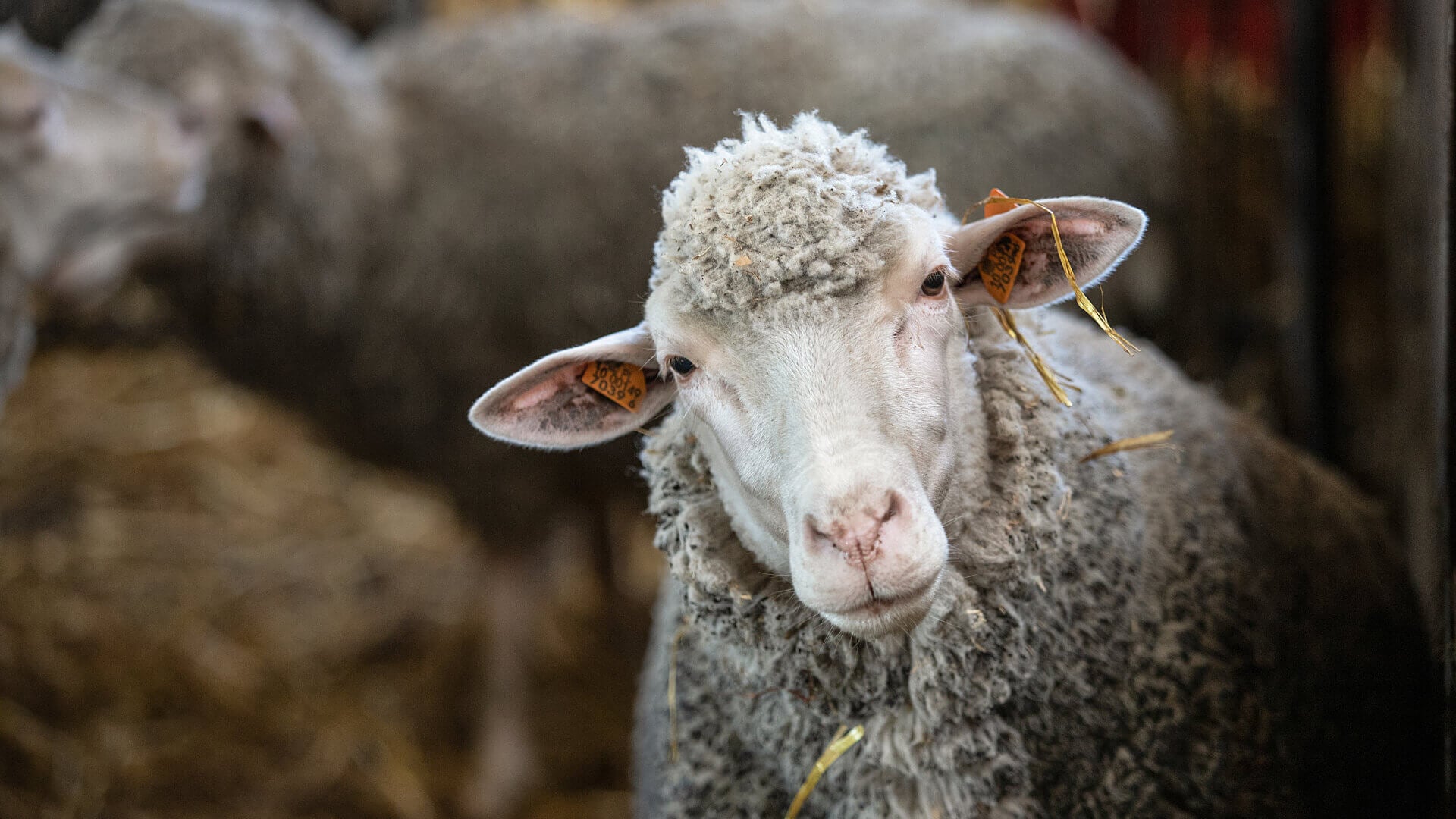
Sheep are gentle, intelligent individuals. Research shows that their performance on the most complex tasks parallels that of humans and macaque monkeys. They seek out medicinal herbs when they’re feeling unwell. They possess impressive memories and can remember not only the faces of 50 other individual sheep for over two years but can also spot emotions and express empathy. Sheep are unique individuals, and, like us, their lives matter to them.
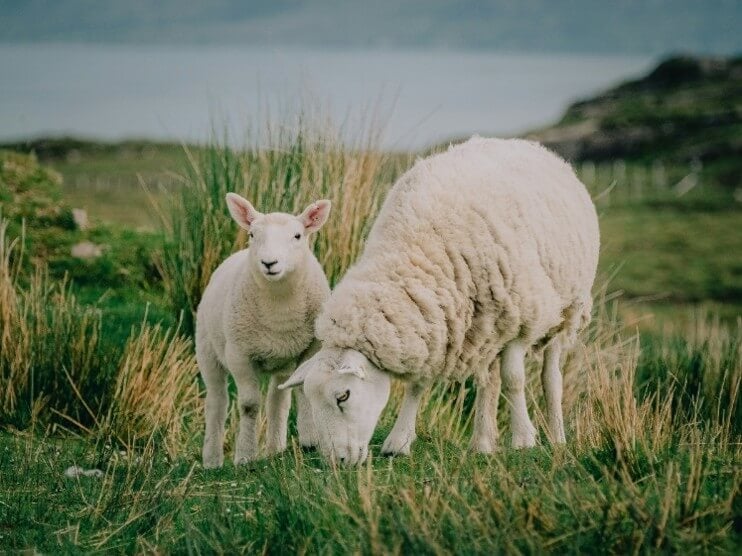
They’re also prey animals, so you can imagine how frightening it is for them to be grabbed, pinned down and thrown. While our activist walked away from her fashion week assault into the loving embrace of sympathetic friends and family, all that awaits sheep at the end of their ‘useful’ lives is a slaughterhouse and a blade. In the UK, over 840,000 ‘used’ ewes and rams are killed each year, and new lambs are bred into the cruel cycle to maintain the UK’s 30 million-strong flock.
You Can Be On The Right Side Of History
Less than 200 years ago, men could use ‘corporal punishment’ to subdue their wives, and white people could legally own black people. But activists shouted and marched. They boarded buses, demanded the vote, and boycotted industries that relied on the use and abuse of others. And in doing so, they opened hearts and changed minds. That’s why PETA continues to protest: because violence is wrong, no matter who the victim is.
One day, society will view our use of animals with the same moral clarity and sense of injustice as we have other social issues. When that day comes, what side will you have been on?
Widen your circle of compassion today – tell H&M to ban wool.
Help Animals in 2026: Renew Your PETA Membership!
Donate Now