Which Plant Milk Is Best for the Planet?
If you’re looking to shrink your environmental footprint, swapping cow’s milk for dairy-free milk is one of the simplest changes you can make. But with supermarket shelves packed with oat, soy, almond, rice, and more, many shoppers are left wondering: which one is actually best for the planet?
The good news is that every major plant milk has a substantially lower environmental impact than dairy milk. Data compiled by Our World in Data, based on a large global analysis of food production systems, found that cow’s milk generates significantly more greenhouse gas emissions, uses far more land, consumes more water, and causes greater pollution than plant-based alternatives.
There isn’t a single perfect choice. Different plant milks excel in different areas. But the most important thing? Choosing any one of them over dairy. World Plant Milk Day falls on 22 August, so there’s no better time to make the switch!
The Biggest Environmental Problem: Dairy
Before comparing plant milks, let’s look at dairy.
Producing one litre of cow’s milk creates around 3.15 kg of greenhouse gas emissions, requires nearly 9 square metres of land, and uses more than 628 litres of water. Dairy production also contributes heavily to water pollution through manure and fertiliser runoff.
Cows abused for milk are among the largest contributors to food-related emissions. They release methane through their belches, a powerful greenhouse gas that’s 80 times more warming in its first 20 years in the atmosphere. Despite this, the climate conversation tends to focus largely on carbon emissions.
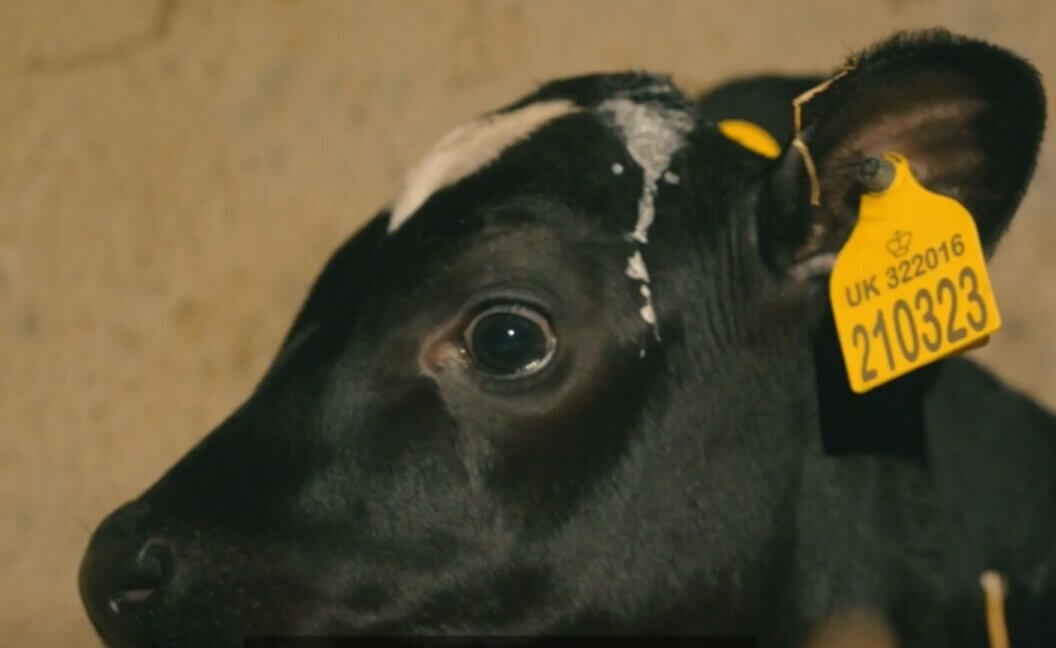
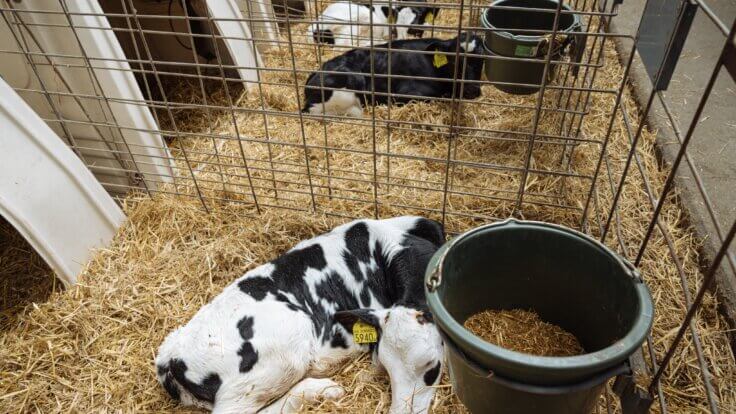
As well as being an environmental disaster, dairy is also horrifically cruel to cows. They are forcibly impregnated once a year and have their babies taken from them almost immediately so humans can steal and bottle their milk. When you buy dairy, you are buying breast milk from a tortured and grieving mother.
All the more reason to choose one of these ethical and sustainable plant milks instead:
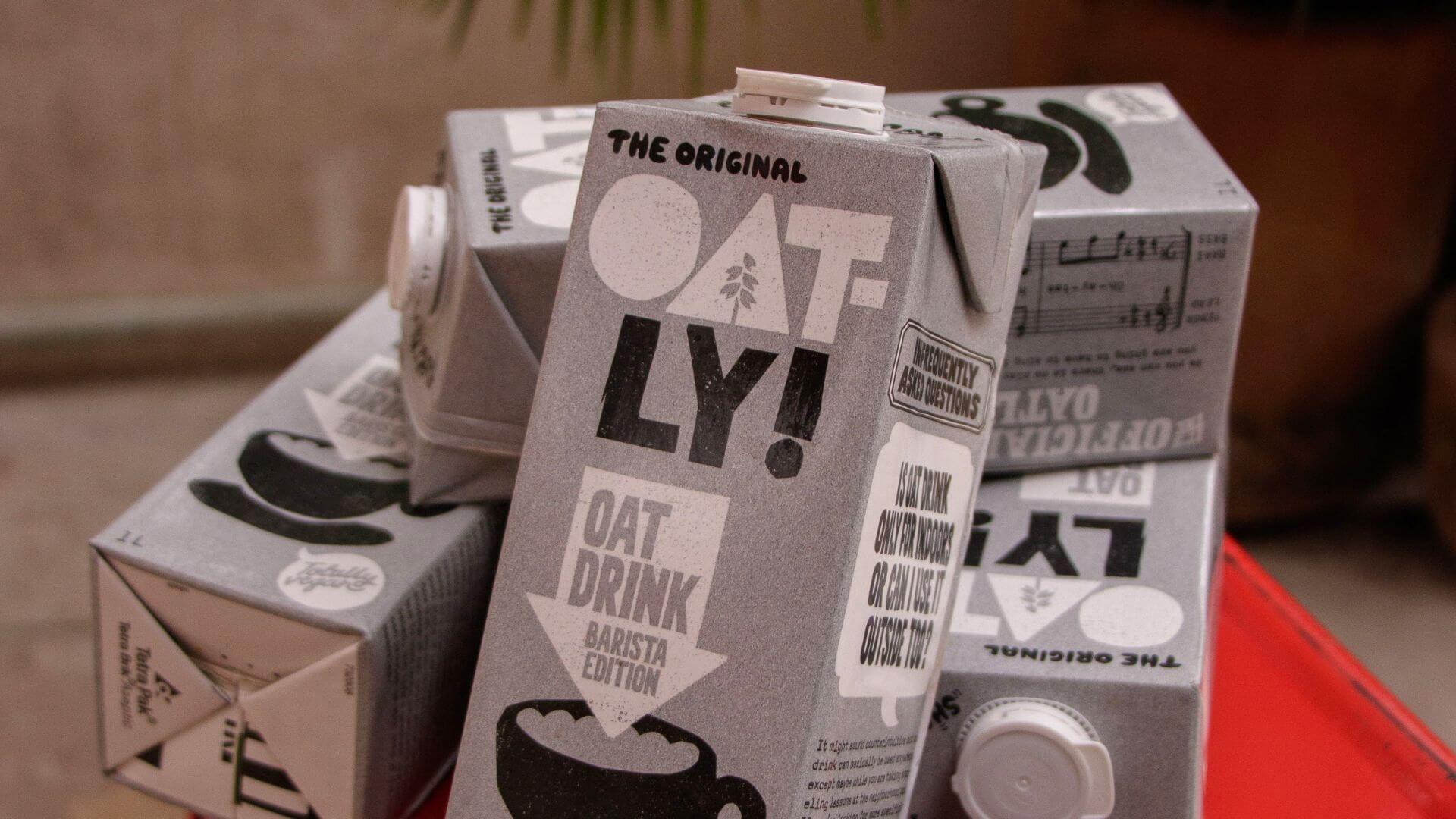
Oat Milk: The All-Round Winner
If there were a gold medal for sustainability, oat milk would probably take it.
Oat milk produces just 0.9 kg of greenhouse gas emissions per litre, uses only 0.76 square metres of land, and requires roughly 48 litres of water. It also performs well when it comes to limiting pollution of waterways.
Unlike some other plant milks, oats can be grown in cooler climates, including the UK, which can reduce transport-related impacts. Their relatively low demand for water and land makes oat milk a strong all-round choice for environmentally conscious consumers.
Not to mention, oat is often touted as the tastiest of all the plant milks, its creaminess marking it as perhaps the most popular dairy-free option in kitchens and cafés
Soy Milk: The Water-Saving Champion
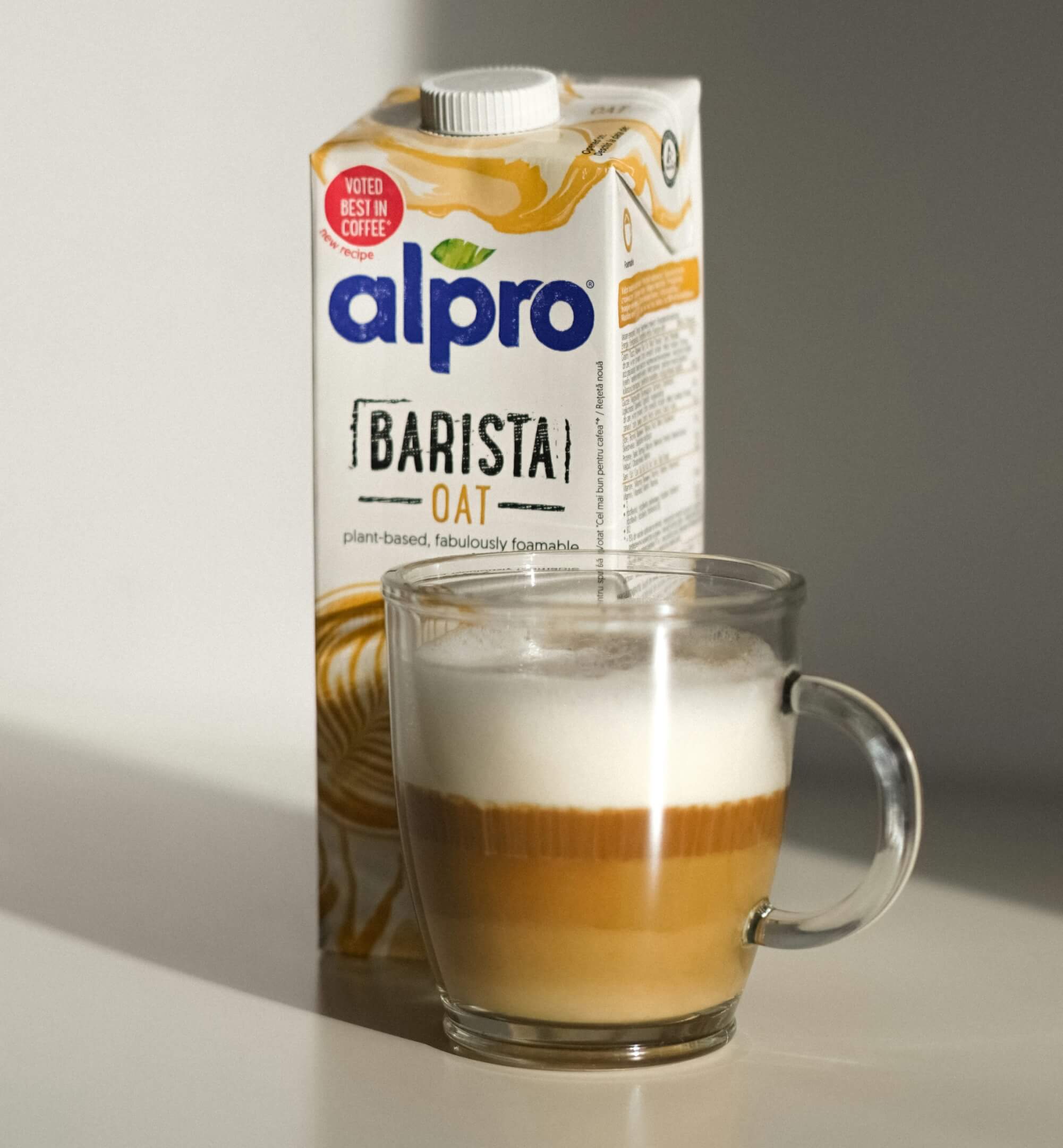
Soy milk is another excellent option.
It has lower water use than any other major plant milk, requiring just 27.8 litres of water per litre of milk. It also scores well for greenhouse gas emissions, land use, and water pollution.
If you’ve heard the rumour that vegans are driving deforestation with their soy consumption, it’s actually the opposite. Soy is driving deforestation, but around 77% of it is fed to farmed animals! Choosing soy milk is far more efficient than consuming dairy milk produced by cows fed soy-based feed.
Many major soy milk brands – such as Alpro – don’t use rainforest-linked soybeans at all.
For anyone prioritising minimal water consumption and low overall impact, soy is one of the best choices available.
Almond Milk: Good Climate Choice, Water Problem
While almond milk has the lowest greenhouse gas emissions of the major milk alternatives at around 0.7 kg per litre and uses very little land, it requires substantially more water than oat or soy milk. Producing a litre of almond milk uses approximately 371 litres of water.
This becomes particularly concerning because many almonds are grown in drought-prone regions where water resources are already under pressure.
That said, almond milk still uses considerably less water than dairy milk and remains a much more environmentally friendly choice overall.
Rice Milk: Less Sustainable, But More So Than Dairy
Rice milk is generally considered the weakest environmental performer among plant-based milks.
While it still causes fewer emissions than dairy, it creates more greenhouse gases than oat, soy, or almond milk and requires significantly more water than most plant milks. Rice cultivation is also a significant driver of methane (though it still produces far less than dairy).
If your goal is to minimise environmental impact, oat or soy milk are usually better choices.
So, Which Plant Milk Should You Choose?
If environmental impact is your only concern, the ranking looks something like this:
1. Oat milk – best overall balance of low emissions, land use, water use, and pollution.
2. Soy milk – exceptionally efficient, especially for water use.
3. Almond milk – very low emissions but relatively thirsty.
4. Rice milk – still better than dairy but less sustainable than other plant milks.
The most important takeaway, however, is that switching away from dairy delivers far greater environmental benefits than arguing over which plant milk is perfect. Whether you pour soy milk into your tea, oat milk into your coffee, or almond milk over your cereal, you’ll be making a kinder choice for animals and a greener one for the planet. And if rice milk is your thing, you’ll still be doing a service to animals and the planet by picking it over cow’s.
When it comes to environmental impact, the biggest difference isn’t between rice and almond and oat and soy milk. It’s between plant milk and dairy.
Go Vegan for the Planet
By removing dairy – and all animal flesh and secretions – from your diet, you are dramatically lowering your environmental impact. Find out how to go vegan by ordering our free Vegan Starter Kit:

Help Animals in 2026: Renew Your PETA Membership!
Donate Now