
UK Government Unveils Plan to End Cruel Animal Tests
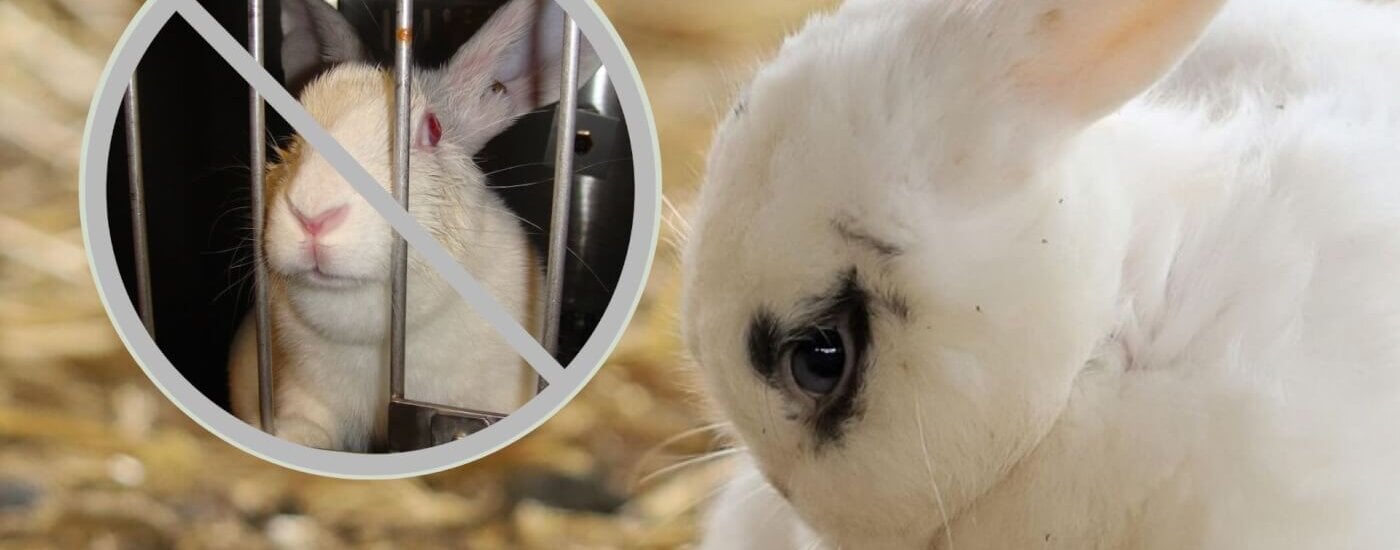
Is the tide finally turning for animals in laboratories? The UK government has taken a historic first step toward ending cruel and outdated experiments on animals by publishing the world’s first strategy to end all types of experiments on animals.
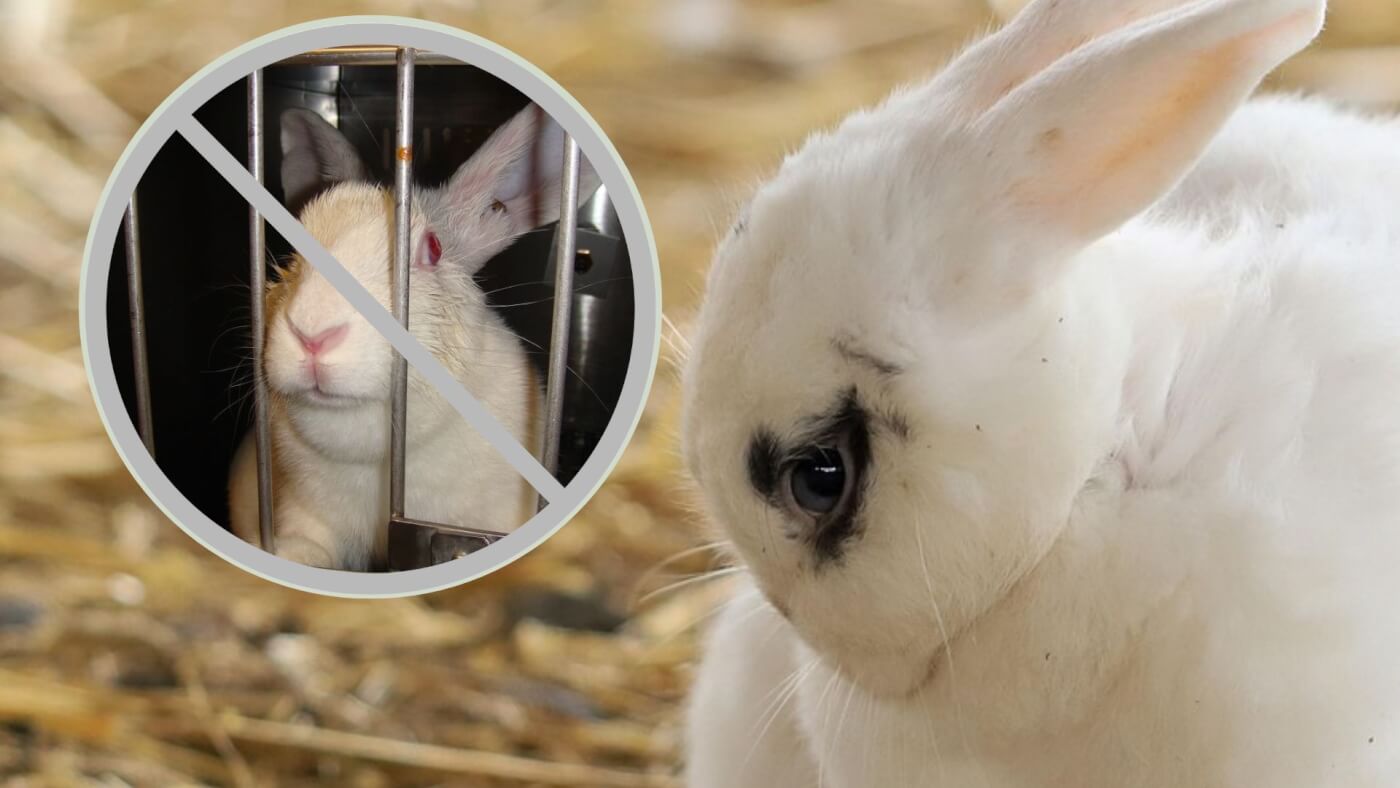
The roadmap marks a pivotal milestone. It holds huge potential to demonstrate to the world that science can – and must – evolve beyond cruel, ineffective practices that harm animals and hinder innovation. With the appropriate backing and commitment from the Government, it could also position the UK as the global forerunner in innovative, reliable, humane science.
The jury is still out, however, on whether it will go far enough in truly modernising science and ending the pain of millions of animals tortured behind the closed doors of laboratories.
What’s in the Roadmap?
The one-of-a-kind UK strategy is intended to address all types of experiments on animals, including regulatory, applied and curiosity-driven research. And we welcome the clear, actionable and timely steps to replace animal use in regulatory toxicity testing and antibody development. The following regulatory tests are long overdue for elimination and are finally on their way out:
- By the end of 2026, animals will no longer have chemicals applied to their sensitive eyes in painful eye irritation tests.
- By the end of 2026, skin sensitisation tests will end — no more test substances that are injected into mice to see if they cause an allergic reaction.
- Botulinum testing on mice– which involves injecting them with a deadly neurotoxin – is expected to be phased out by 2027, except in rare medical cases.
- By 2030, animals will no longer be used to produce antibodies through repeated injections and invasive blood or fluid extraction.
- Animals will also be spared from specific types of vaccine and biologic drug batch tests, which often cause extreme suffering and death.
What’s Missing?
But this roadmap has to go further. It must take meaningful steps to end all experiments in applied and curiosity-driven science, as well as regulatory contexts – not just end those regulatory tests that have already been superseded by superior technologies – and stop the torment of all animals.
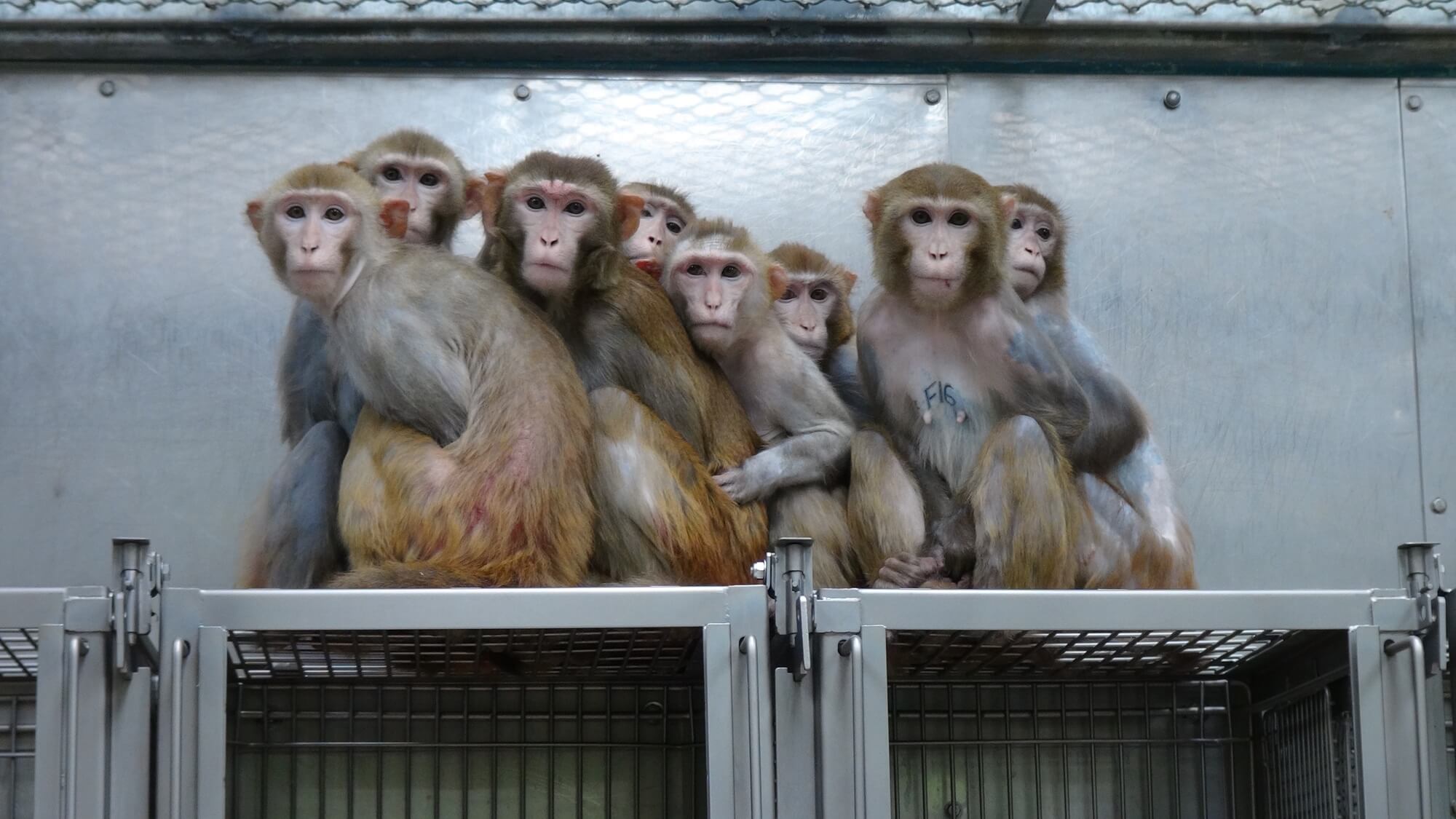
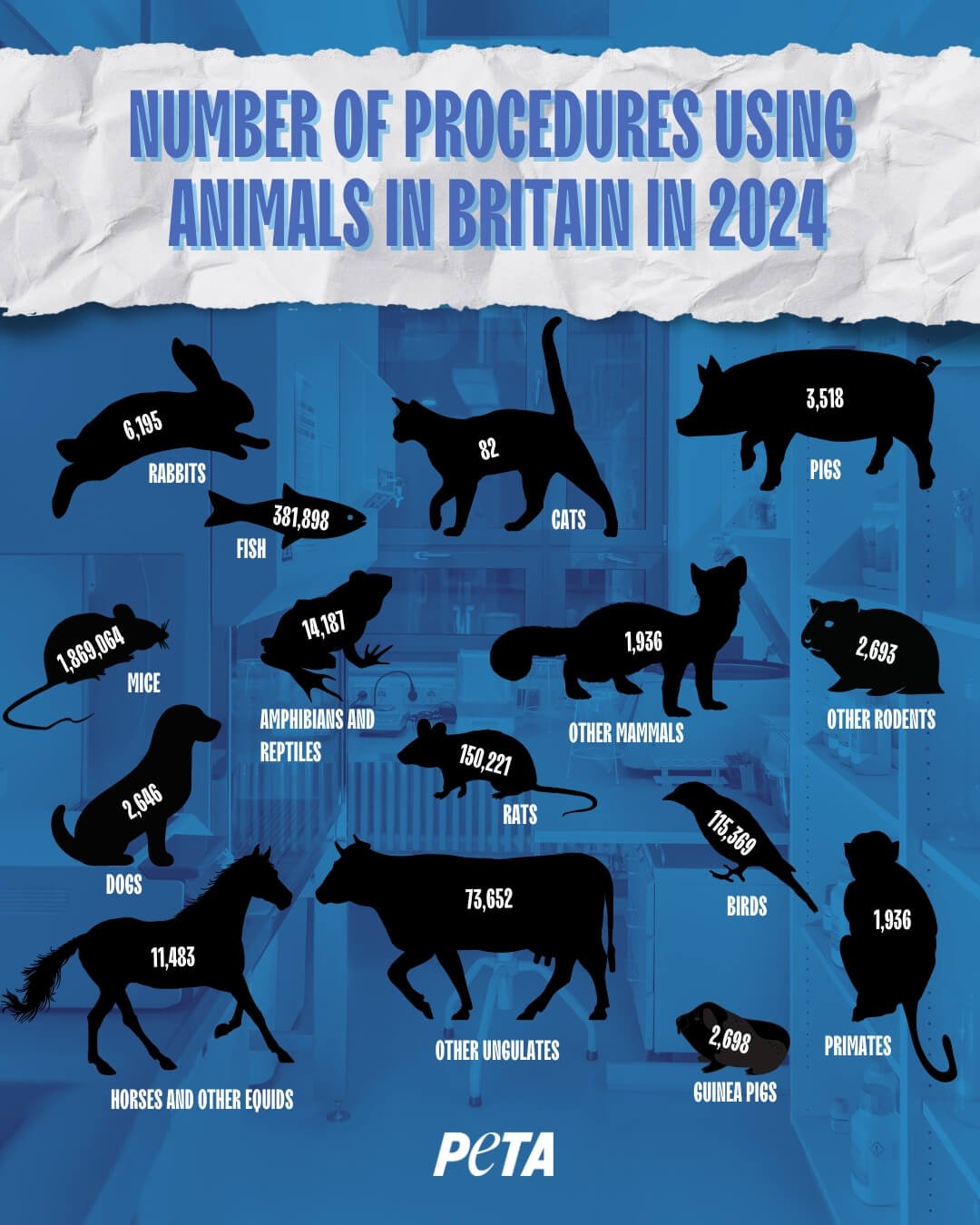
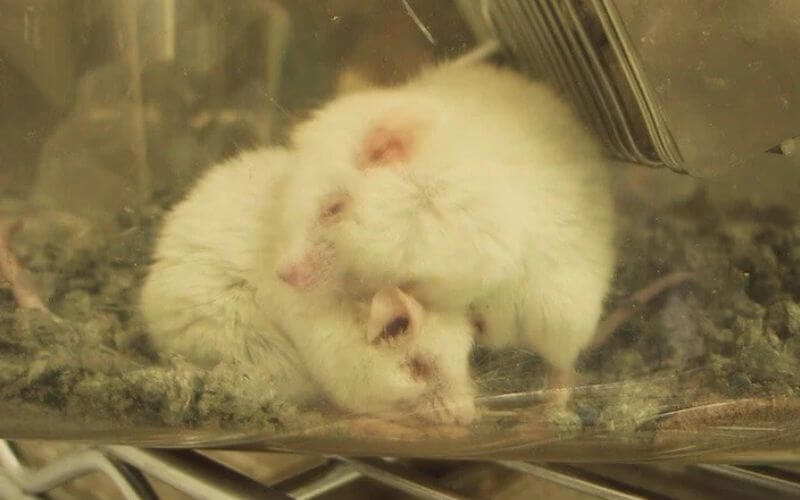
This is imperative since, every year, over 2.5 million procedures are carried out on mice, dogs, monkeys, rabbits, horses, fish and others, and nearly 80% of these are in applied or curiosity-driven research studies. None of these experiments are legally required, yet animals are routinely cut open, drilled into, drugged, starved, electrocuted or mutilated before ultimately being killed.
Waste of Time and Money
Experiments on animals have delivered far too much pain and far too little progress. Fewer than 10% of highly promising basic science discoveries, the majority of which are based on experiments on animals, enter routine clinical use within 20 years.
Take sepsis a condition that kills approximately 48,000 people in the UK each year. Despite billions of pounds and decades of experiments on mice and rats, there are still no targeted treatments or reliable diagnostic tools. Why? Because rodent biology is vastly different from ours. The result: hundreds of sepsis cures for mice, none of which work in humans.
These experiments are clearly hindering progress for sepsis treatment development and need to end. The Government should therefore include sepsis in its list of research and development priorities due to be published next year.
What’s Next for Animals in UK Laboratories?
This roadmap must be more than a PR exercise. It needs to be a bold first step toward ethical, humane, and scientifically superior research that truly benefits humans – without harming other animals.
The Government must invest in cutting-edge, animal-free technologies – like organs-on-chips, organoids, and predictive computer models – which are already outperforming tests on animals in predicting human responses in many contexts. These tools, used together in integrated strategies, can revolutionise research.
PETA scientists, with global expertise in non-animal research, are ready to work with the Government and its new committee to deliver a detailed, cross-sector strategy that accelerates medical breakthroughs and makes the UK a leader in ethical science and effective healthcare.
Animals Need YOUR Help
PETA has staged demonstrations, hosted a Parliamentary reception, and met with Lord Vallance to present our Research Modernisation Deal – a science-backed plan to replace experiments on animals.
Now we need your voice. Sign our petition urging the government to end sepsis experiments on animals:
Help Animals in 2026: Renew Your PETA Membership!
Donate Now