More Than 200 Scientists and Other Experts Urge Government to End Sepsis Experiments on Animals
More than 200 parliamentarians, scientists, academics, and other experts have signed an open letter calling on the Government to make the ending of sepsis experiments on animals an urgent priority.
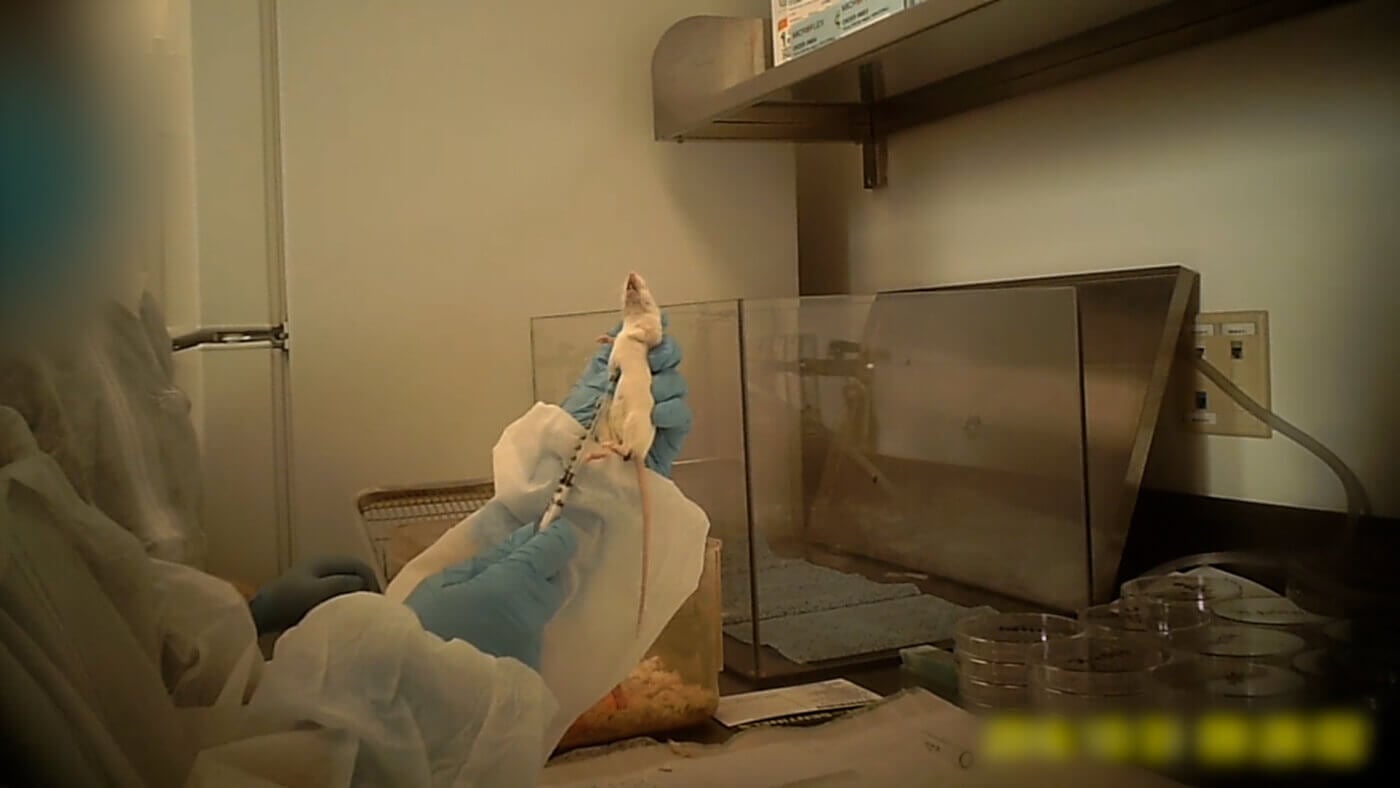
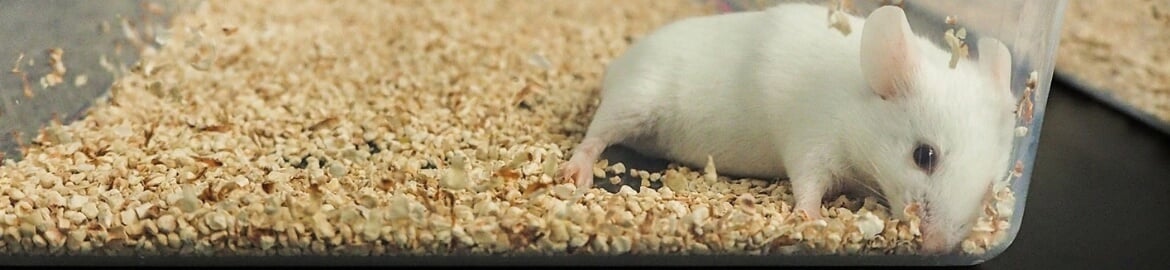
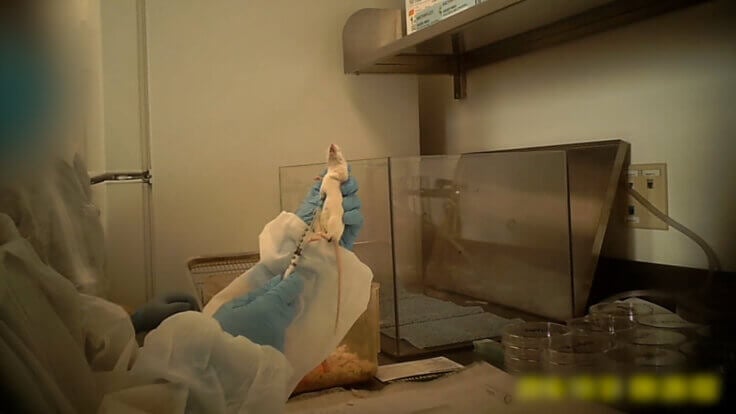
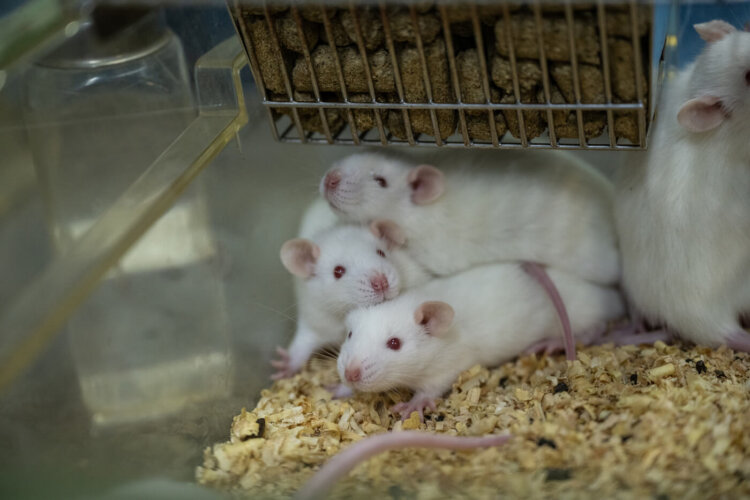
In these tests, experimenters cut open terrified mice and rats and puncture their intestines, causing faecal matter to leak into their guts. Or, animals are injected with a large quantity of harmful bacteria to induce sepsis – all while they’re still alive.
Why Experts Are Speaking Out
With over 150 drugs successfully treating sepsis in mice, but none successful in humans, it’s clear these experiments are a costly, cruel, dead-end.
In the UK, sepsis affects at least 245,000 people each year, with 48,000 of these tragically losing their lives to the condition – a fatal toll greater than that of breast, bowel, and prostate cancer combined.
Despite decades of research and billions in funding, effective treatments remain elusive – costing the UK up to £15.6 billion a year in healthcare and economic losses related to sepsis.
Better Science Exists
Experts report that the future of sepsis treatment hinges on personalised medicine. This requires human-relevant research methods, such as human cell and tissue computational models, organs-on-chips and organoids generated using human cells, and AI tools.
A 2015 study by veterinarians, animal technologists, and scientists found that human genomic information could “replace the need for mouse models in disease discovery and drug development.”
Rodents Are Not Reliable Models for Studying Sepsis in Humans
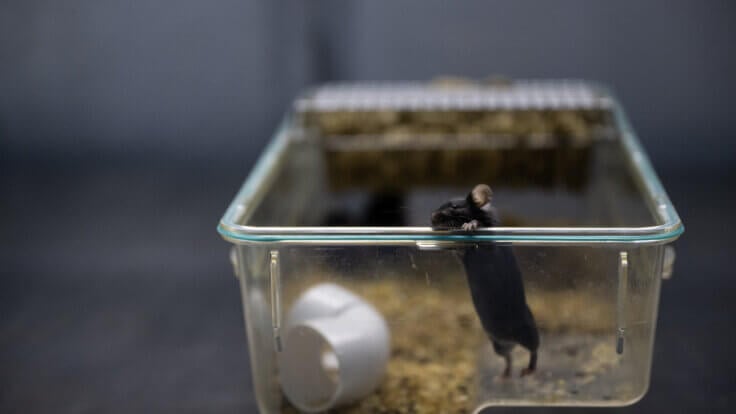
A major reason for this failure is that sepsis research continues to rely on experiments on animals that cannot replicate the complex, human-specific immune responses driving this condition.
In a landmark 2013 study, 39 researchers from Stanford University, Harvard University, and other institutions found that when it comes to serious inflammatory conditions such as sepsis, burns, and trauma, results from mice can never be applied to humans because of their vastly different genetic responses.
Former NIH Director Francis Collins has called the fact that 150 sepsis drugs have succeeded in mice but failed in humans a “heartbreaking loss of decades of research and billions of dollars.”
Take Action for Animals Used in Sepsis Experiments
Tell institutions and the Government to end these cruel experiments and support animal-free sepsis research.
Take Action
Help Animals in 2026: Renew Your PETA Membership!
Donate Now