Shearling
From UGG boots to winter jackets, shearling is a common term used on clothing labels, but what is shearling, and who is it taken from?
On one side, shearling is wool. Flip it over, and you’ll notice that on the other side, it’s an animal’s skin. That’s because shearling is the entire pelt of a lamb, stripped from their body after slaughter.
Shearling is wool, animal skin, and fur all at once – and is just as cruel as all three.
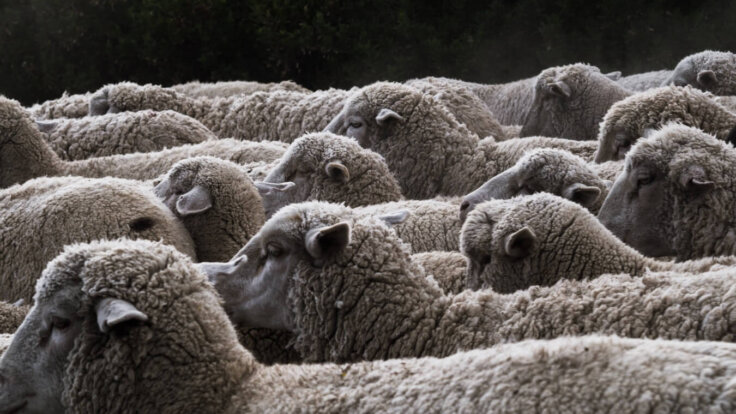
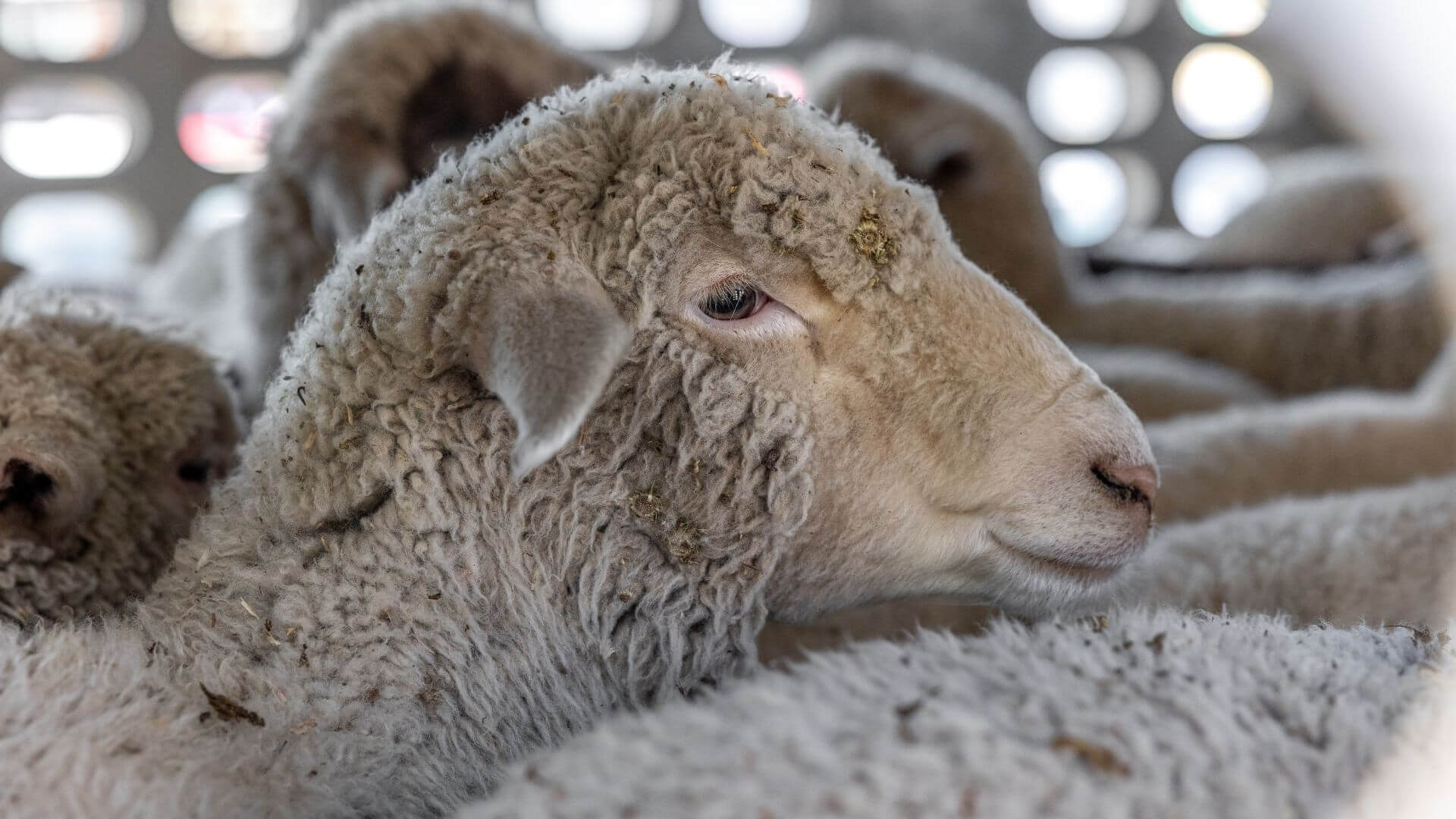
Sheep are forcibly bred to create enough lambs for slaughter, and the animals used for shearling are very young when they are skinned – sometimes before their first teeth can even emerge.
They are often just 18 months old when they’re killed, and some are much younger. Their fleece is sheared very short before their throats are slit, and their skins are stripped off.
Every Lamb Is Someone
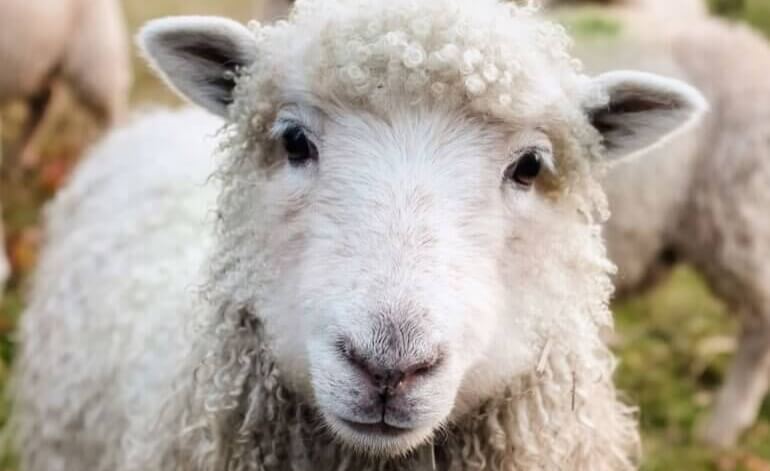
Lambs are clever, playful, and sensitive individuals who wag their tails to express joy and form deep friendships. As they grow, sheep can recognise as many as 50 sheep and human faces for up to two years and can even recognise emotions from the expressions of others.
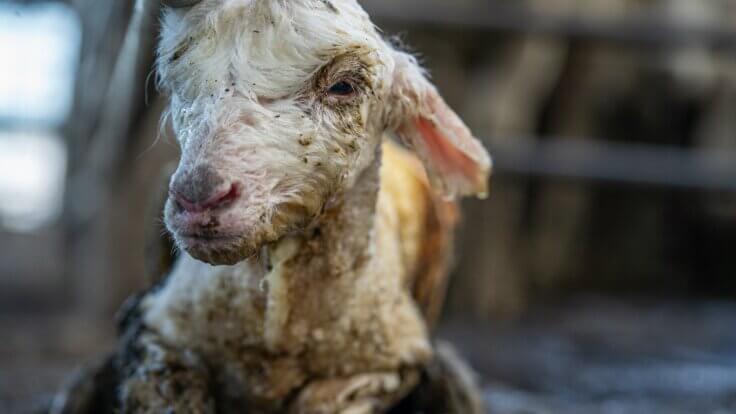
Lambs even learn from their parents how to carefully select medicinal plants to soothe their own ailments!
The Environmental Impact of Shearling
It’s no secret that wool is bad for the environment because it requires extensive deforestation, is water-intensive, and emits large amounts of the greenhouse-warming gas methane.
In some ways, shearling is even worse, carrying both the eco responsibilities of wool and animal skin. To prevent it from rotting as any skin would, the non-wool side of shearling is tanned and treated with a cocktail of chemicals.
These chemicals pollute waterways, and workers in tanneries experience a much higher rate of sometimes-fatal respiratory illnesses than those in other industries.
Plant Shearling Is Superior
New, exciting plant wool options are emerging all the time, with innovative products from brands like BioFluff already offering a cruelty-free, environmentally friendly upgrade to shearling.
Less water-intensive, less land hungry, and grown from carbon-sequestering plants like bamboo, hemp, nettle, and more, plant wool helps rather than harms the planet, while never harming a hair on a lamb’s head.
What You Can Do
- Never buy shearling. Before purchasing clothing or accessories, always check the label – if it says “shearling”, remember that it’s someone’s skin.
- Choose animal‑free materials instead. Sherpa, which is almost always vegan, is a far better option than shearling. There are plenty of warm, stylish vegan materials available today that don’t involve harming sheep and are better for the planet.
- If you see shearling being sold, speak up. Let retailers know you don’t want products made from animals’ skins and encourage them to stock cruelty‑free options instead.
- And if friends or family wear shearling, start a conversation. Share what you know about how it’s produced and why choosing animal‑free materials is kinder for animals and the environment.
You Can Help Lambs
Like puppies, lambs deserve to play, wag their tails and live long lives free from pain and fear.
Never eating lamb and refusing to purchase shearling and other items made from animals are crucial steps toward sparing animals from suffering.
You can also tell companies that sell cruel wool to stop!
Help Animals in 2026: Renew Your PETA Membership!
Donate Now
Read More
Shearling
The Truth About Cage-Free Eggs