The Issues
Animals Are Not Ours to Use for Entertainment
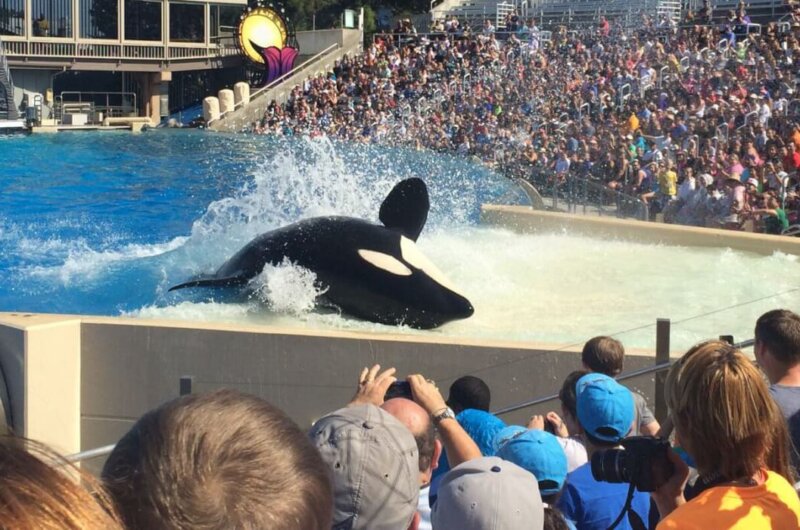
Bullfighting: a tradition of cruelty Animals are suffering and dying around the world for human "entertainment". They don't want to ride bicycles, stand on their heads, balance on balls or jump through rings of fire, but they have no choice when they are forced to perform.
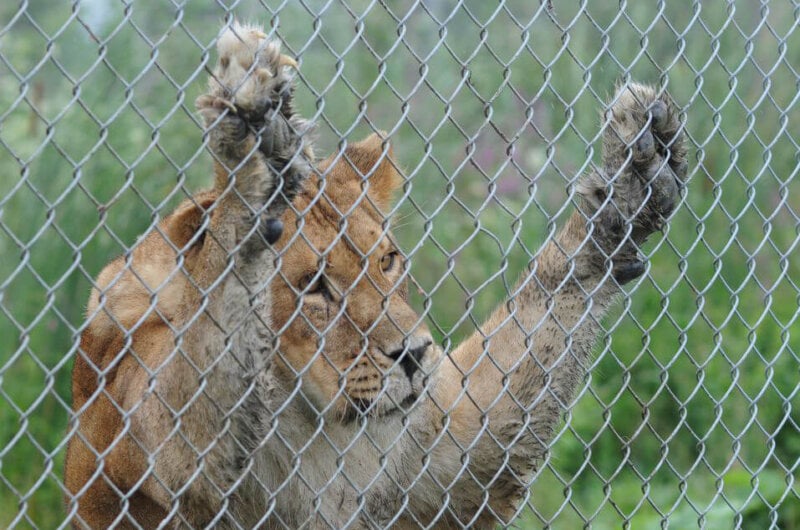
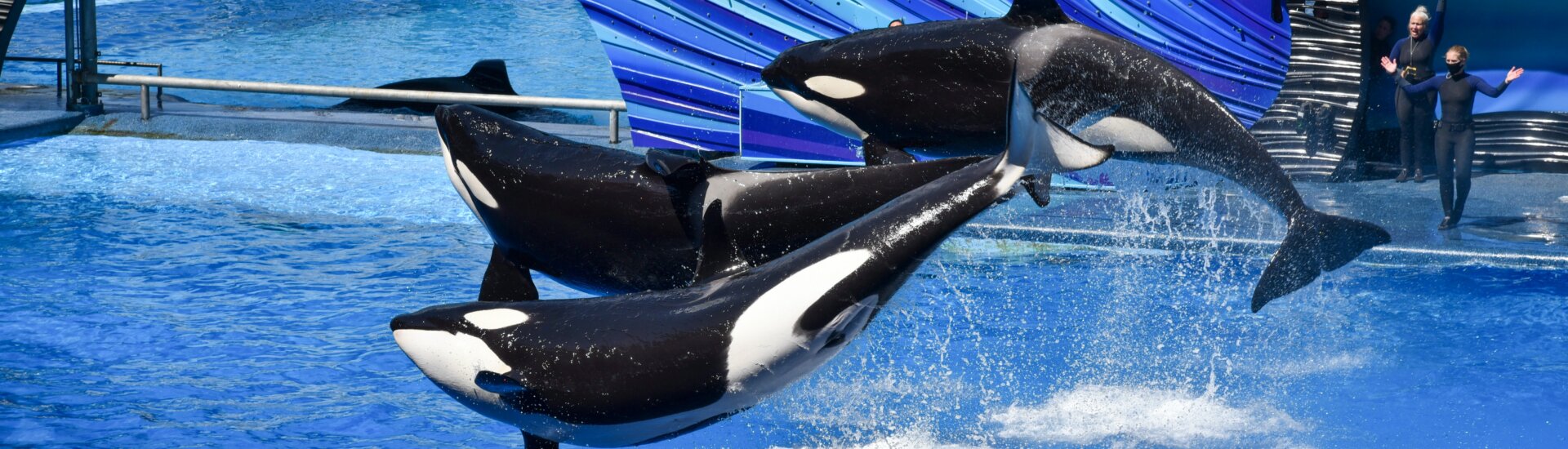
Zoos, circuses, aquaria, bullfighting and hunting are all forms of animal abuse that occur for human amusement. In order to force wild animals to perform confusing tricks, trainers often use any means necessary – including beatings. The animals who are forced to perform in various spectacles have usually been taken from the wild, where they once roamed free, or they were bred in captivity so that they could live a life of isolation and punishment.
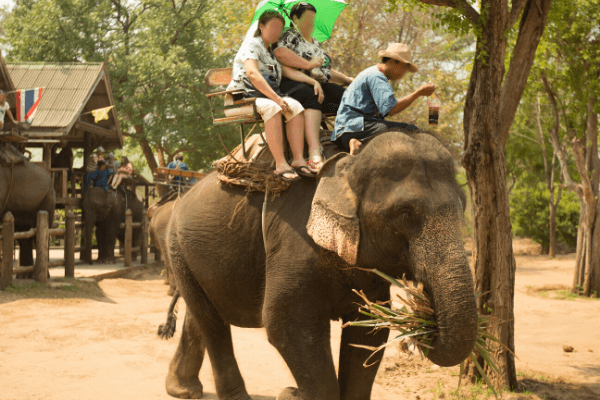
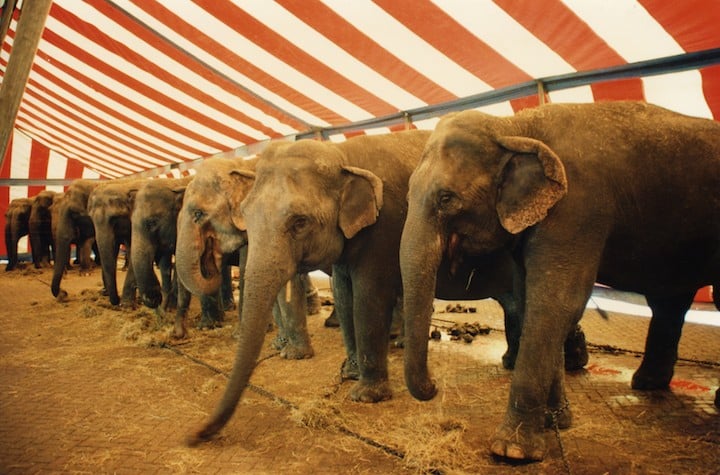
Elephants are one species commonly enslaved in zoos and circuses. Elephants in circuses are confined to concrete enclosures and chained inside tents until they are forced to perform in front of screaming children. In their native Asian forests, elephants walk many miles every day, explore, swim in watering holes, play in mud wallows and forage for fresh vegetation. In captivity, elephants are denied everything that is natural and important to them.
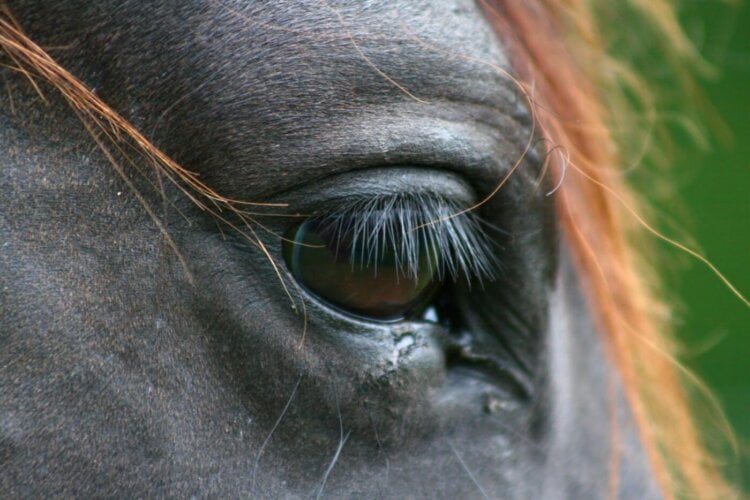
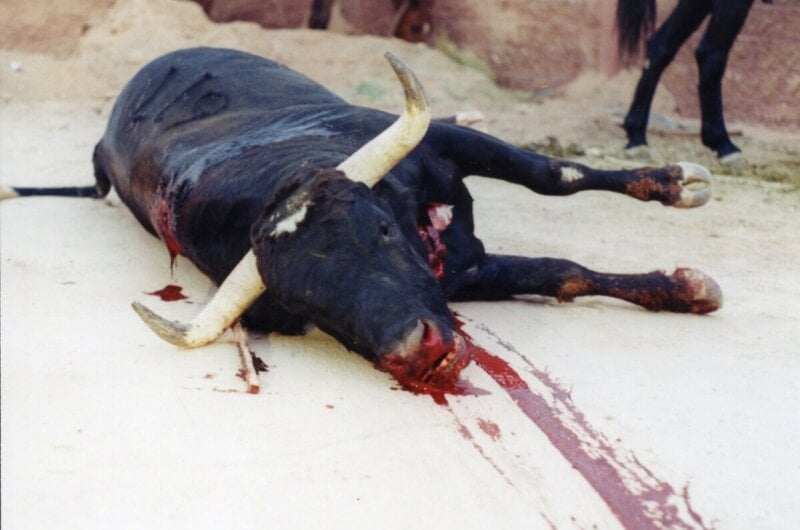
In bullfighting and Pamplona's "Running of the Bulls", another mighty animal is tortured in the name of "tradition" and "entertainment". Every year, more than 40,000 bulls are barbarically slaughtered in Spain's bullrings, and most foreign visitors who witness a bullfight never wish to see one again. In a typical bullfight, the bull enters the arena and is tormented by picadors (men on blindfolded horses), who drive lances into the bull's back and neck muscles. Then banderilleros (men on foot with brightly coloured sticks) distract the bull by darting around him while they plunge harpoons into his back. Finally, the matador appears to kill the bull with his sword.
Don't let animals suffer and die for your entertainment. Refuse to support circuses, zoos, bullfights or any practice that exploits animals.